

Geometric Painting
35 œuvresDes œuvres en édition limitée, pensées par l'artiste pour illuminer votre intérieur.
Fait main en AllemagneLivraison offertePrêt à accrocher30 jours pour changer d'avis
-
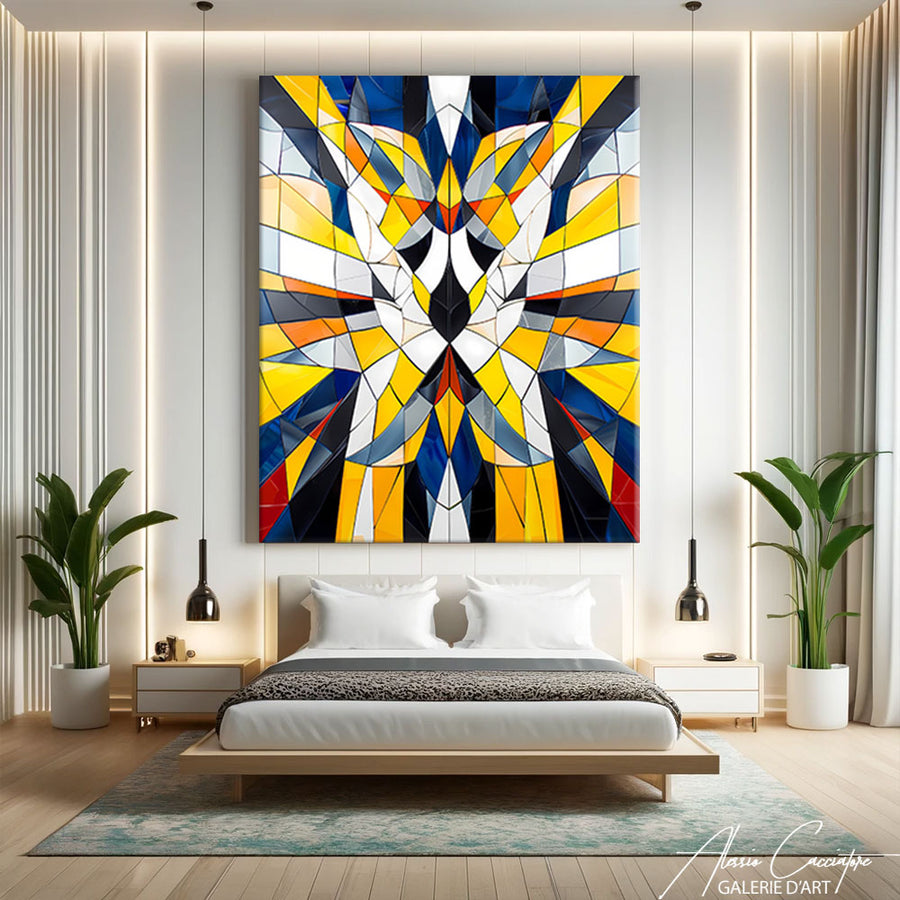
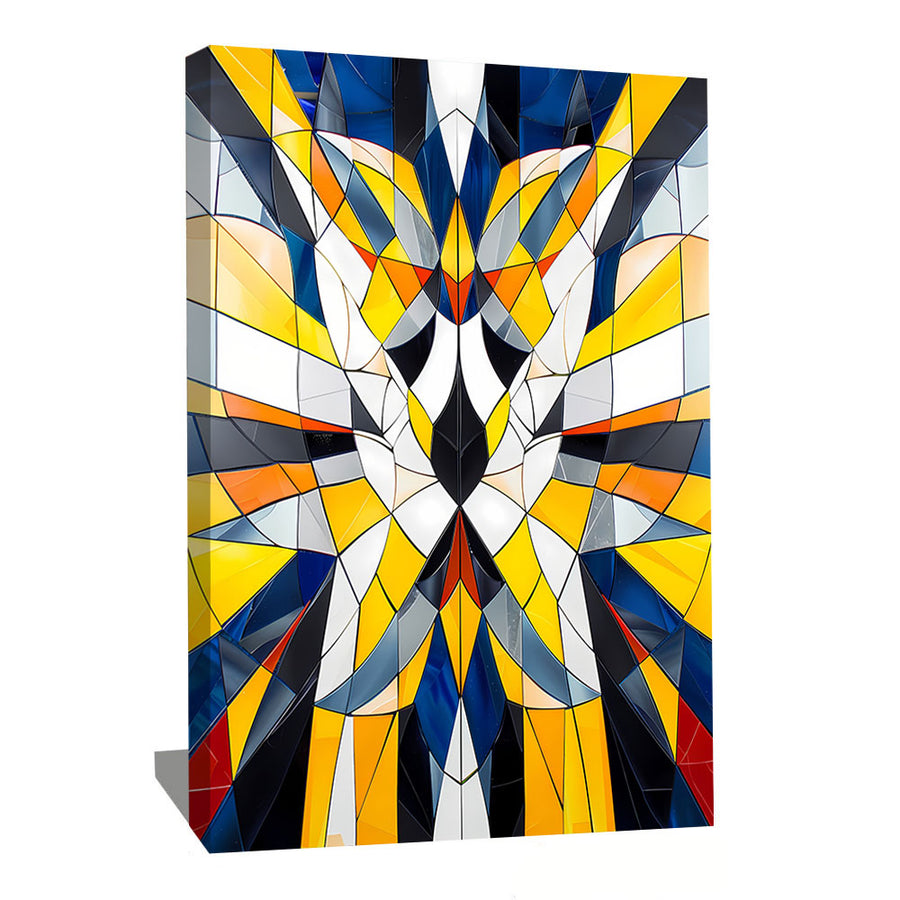
Add to Wishlist GEOMETRIC GLASS ARTDès 89 €
-
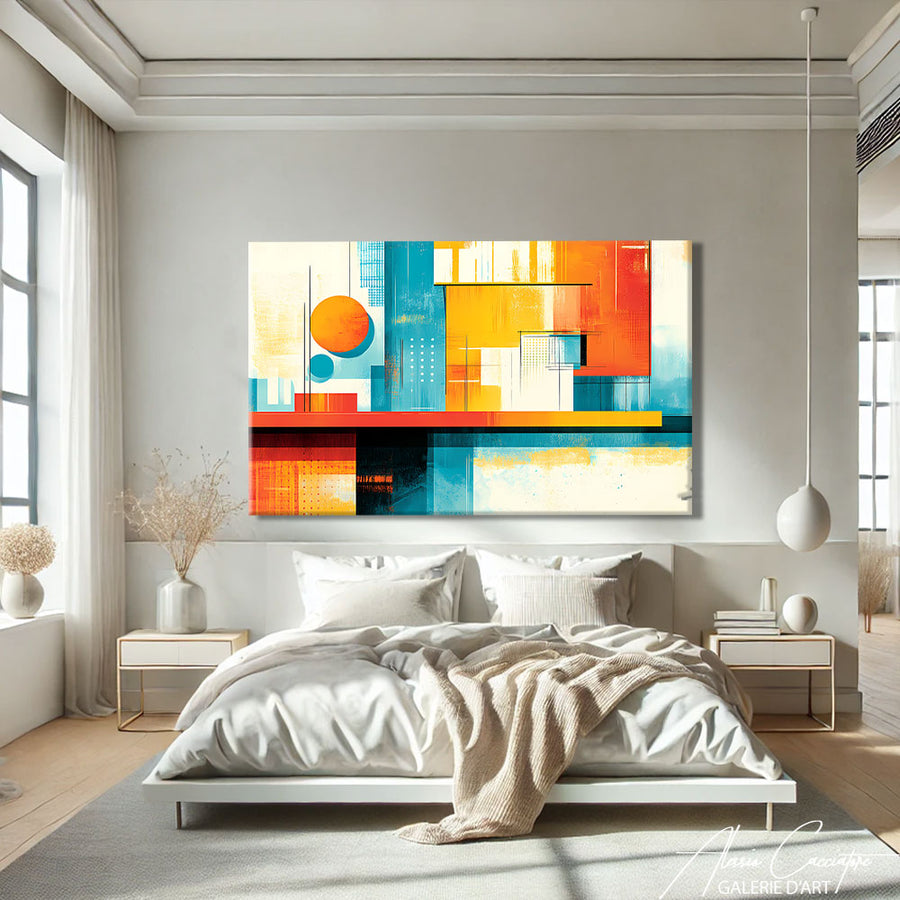
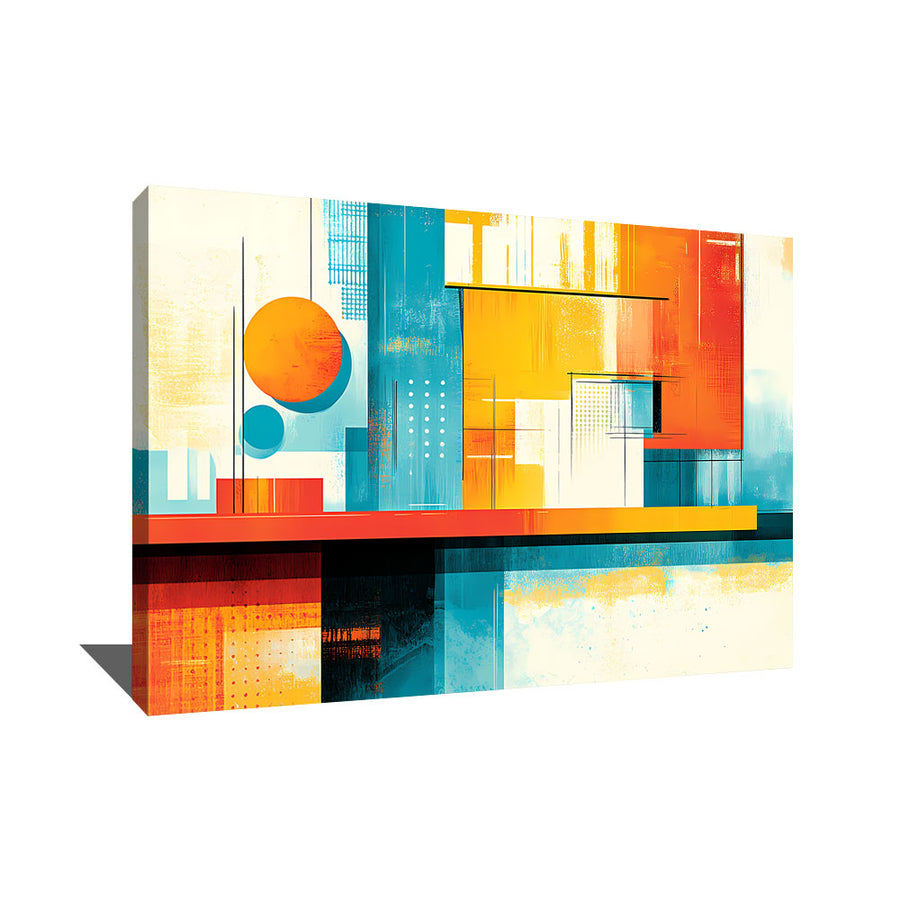
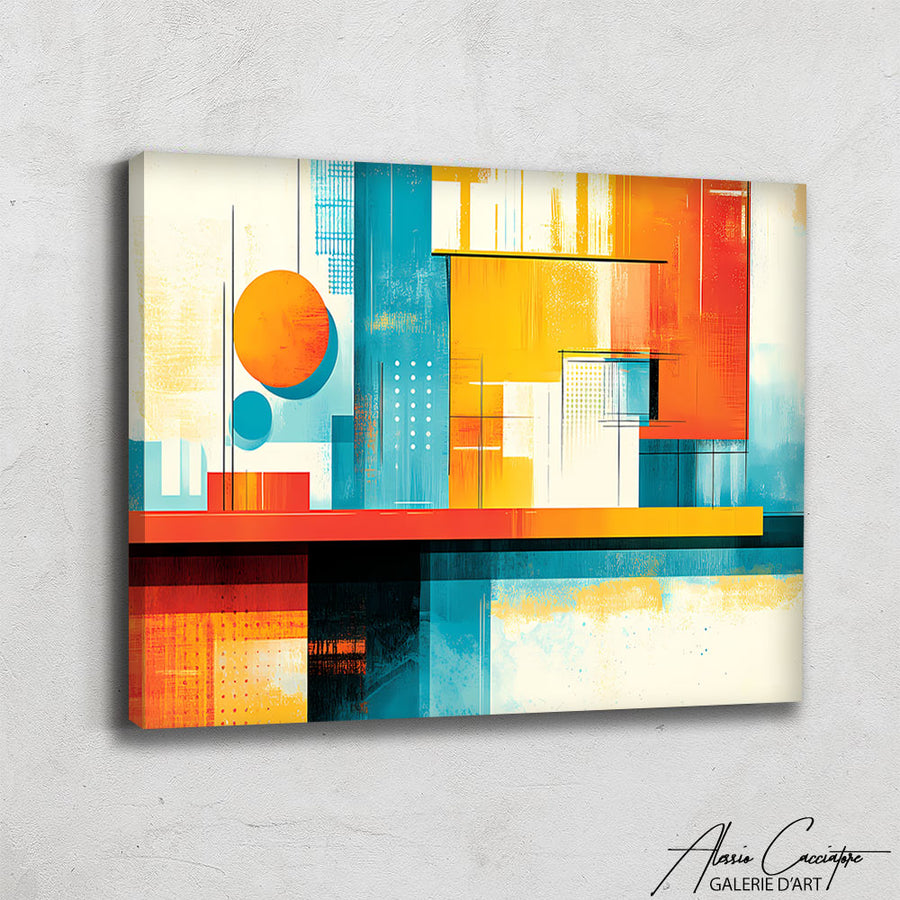
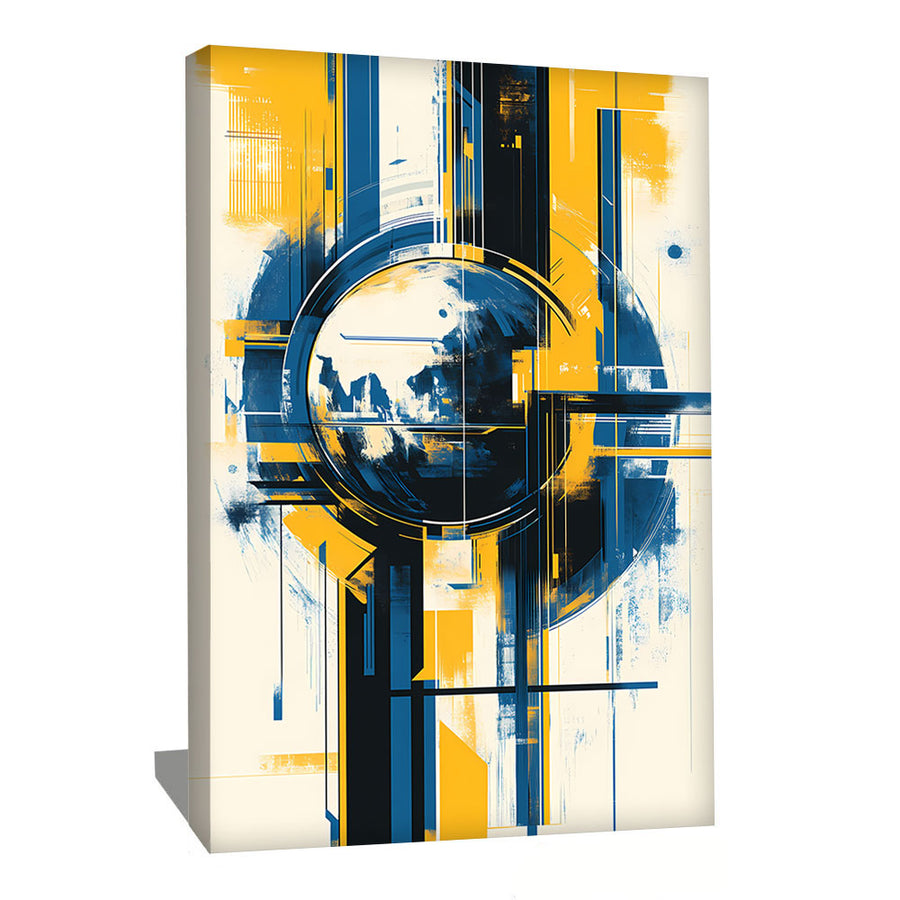
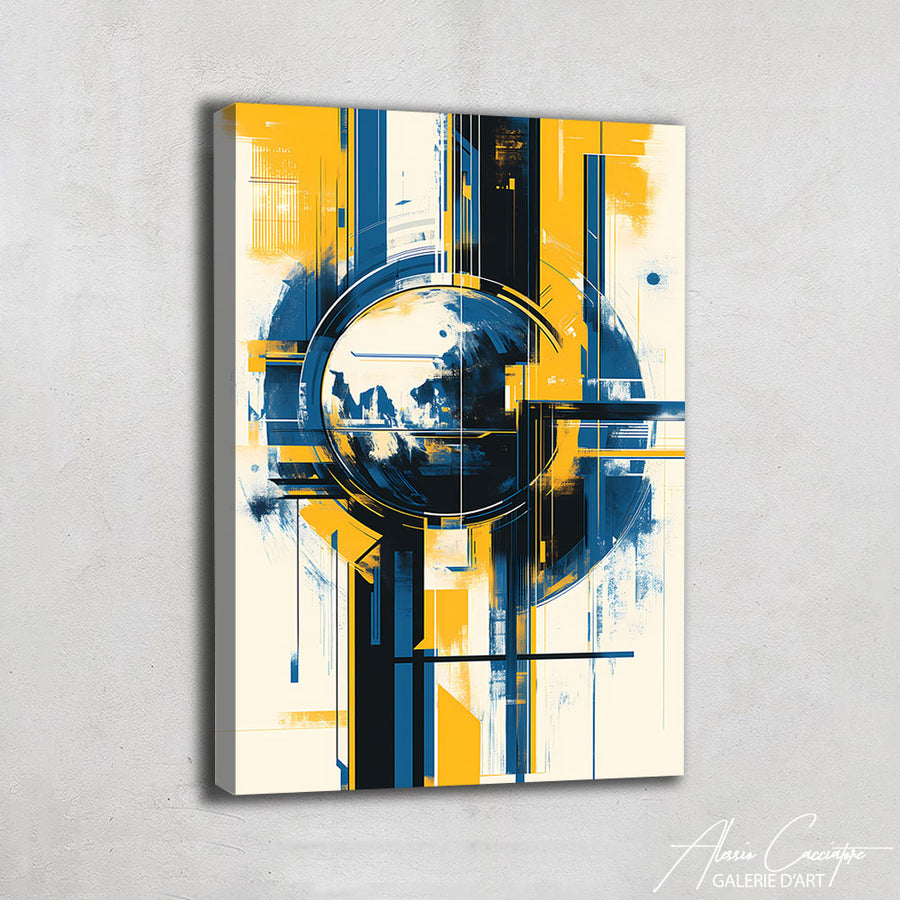
Add to Wishlist ABSTRACT GEOMETRIC PAINTINGDès 89 €
-
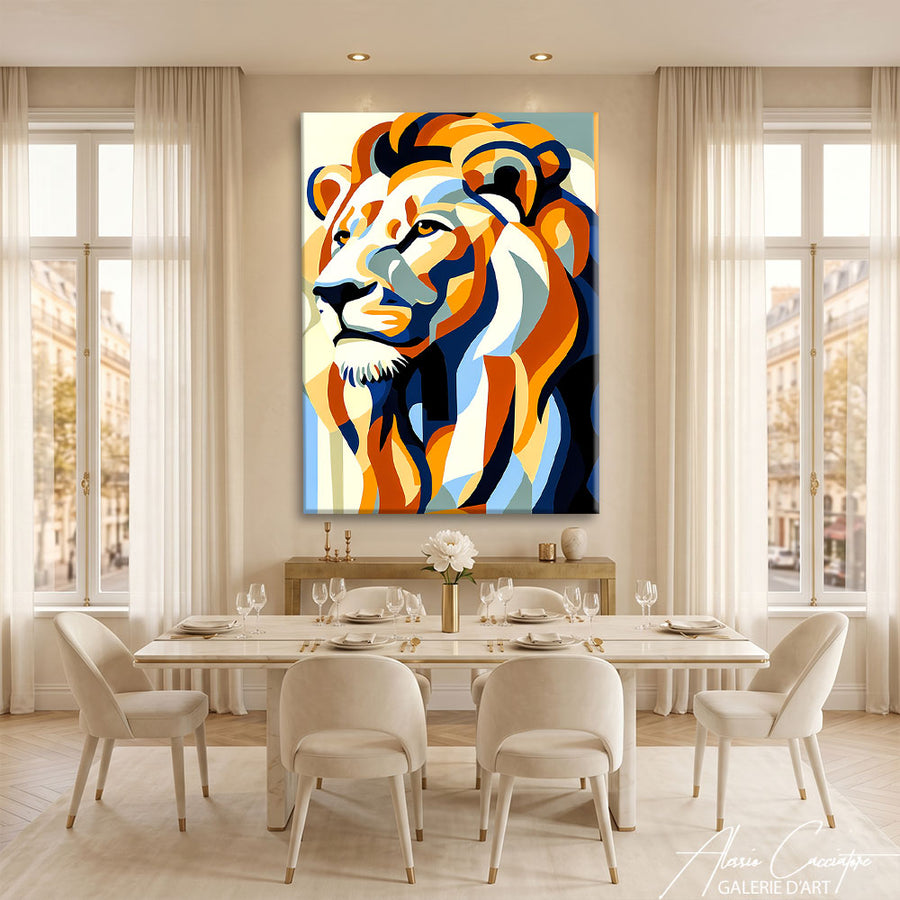
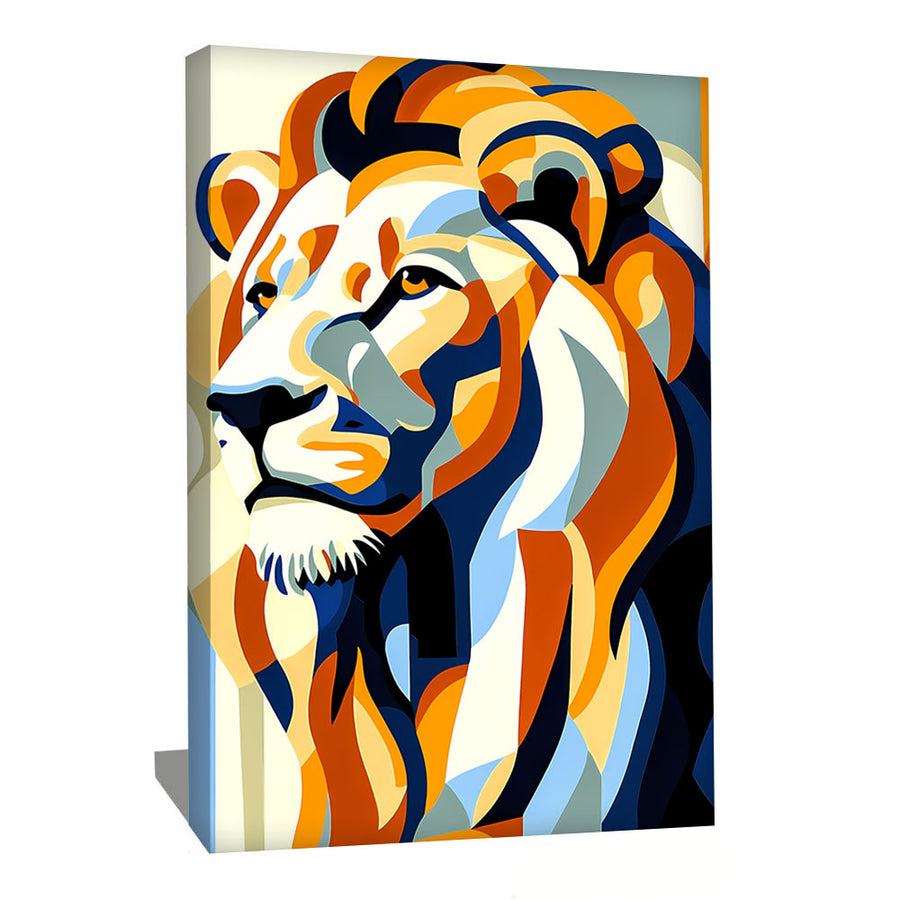
Add to Wishlist GEOMETRIC ANIMAL ARTDès 89 €
-
Add to Wishlist PAINTING WITH GEOMETRIC SHAPESDès 89 €
-
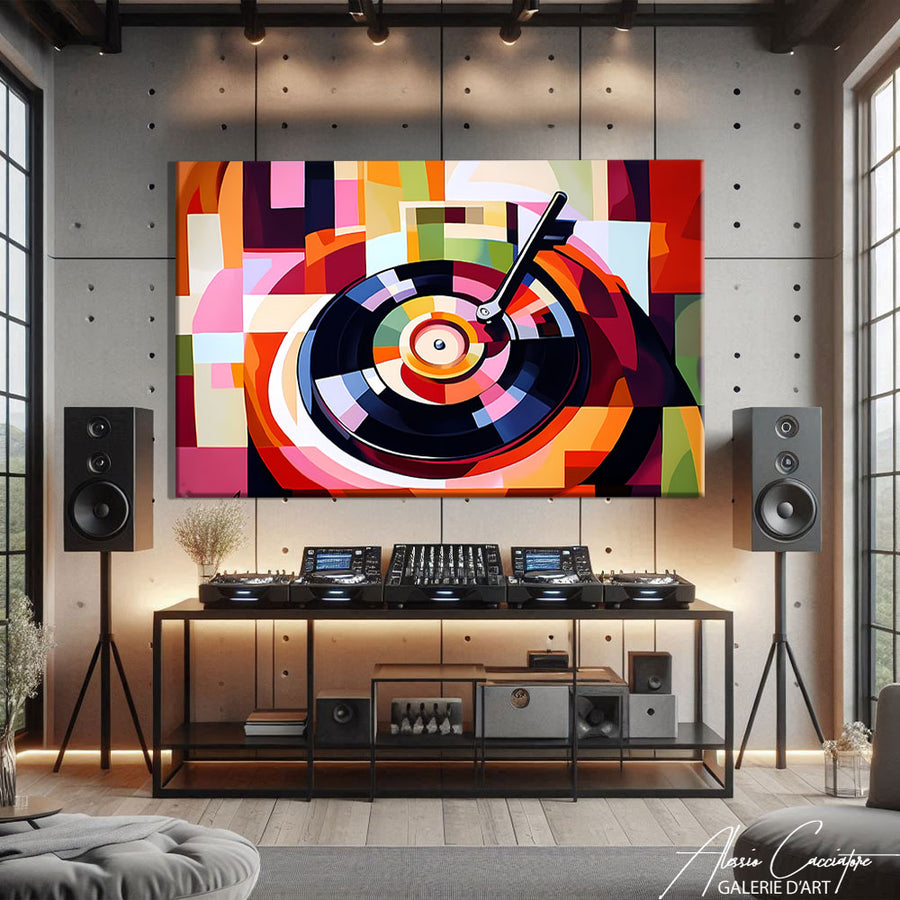
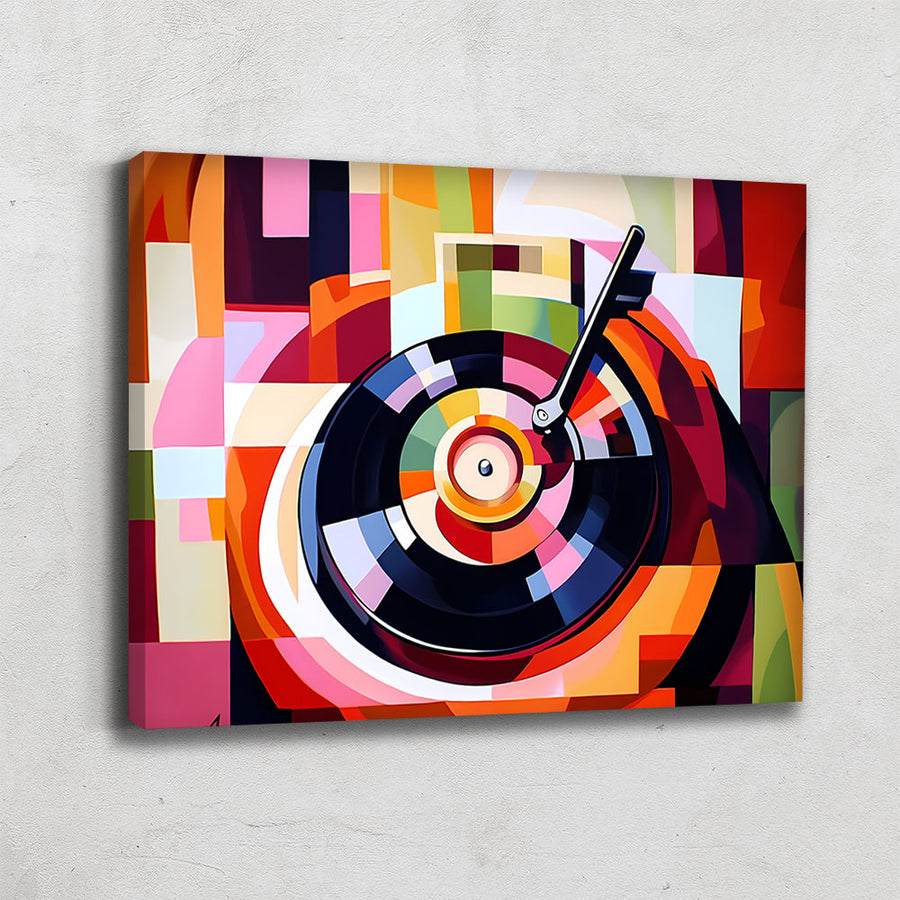
Add to Wishlist GEOMETRIC DJ ARTDès 89 €
-
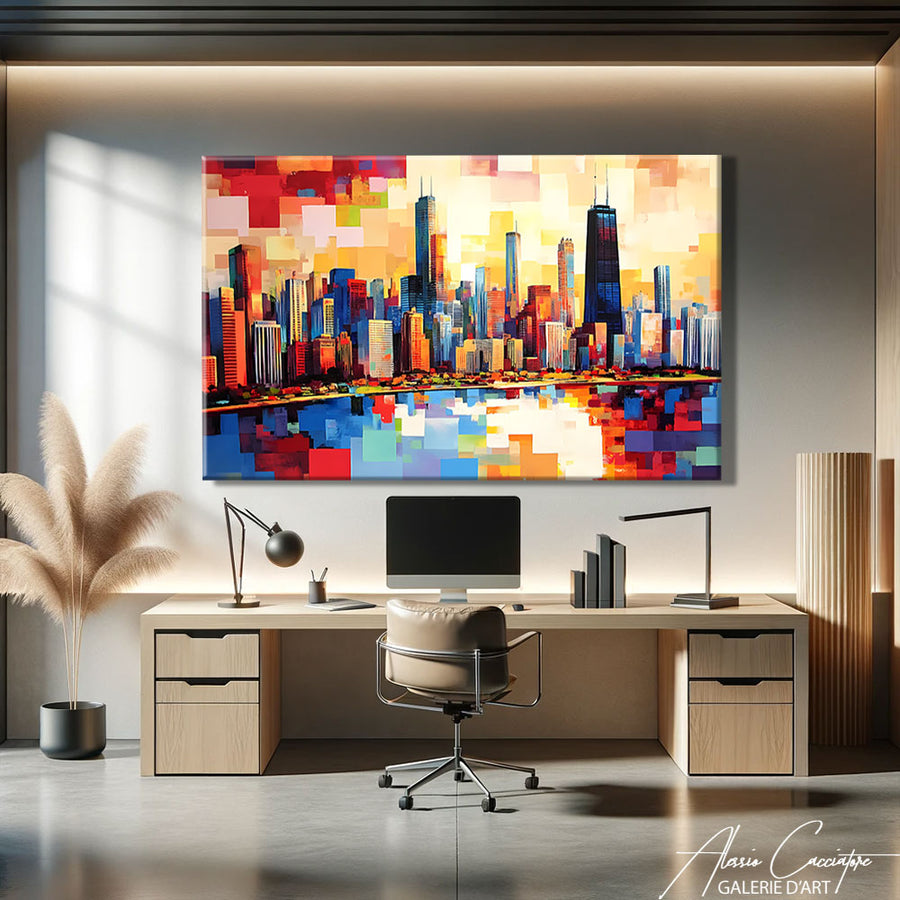
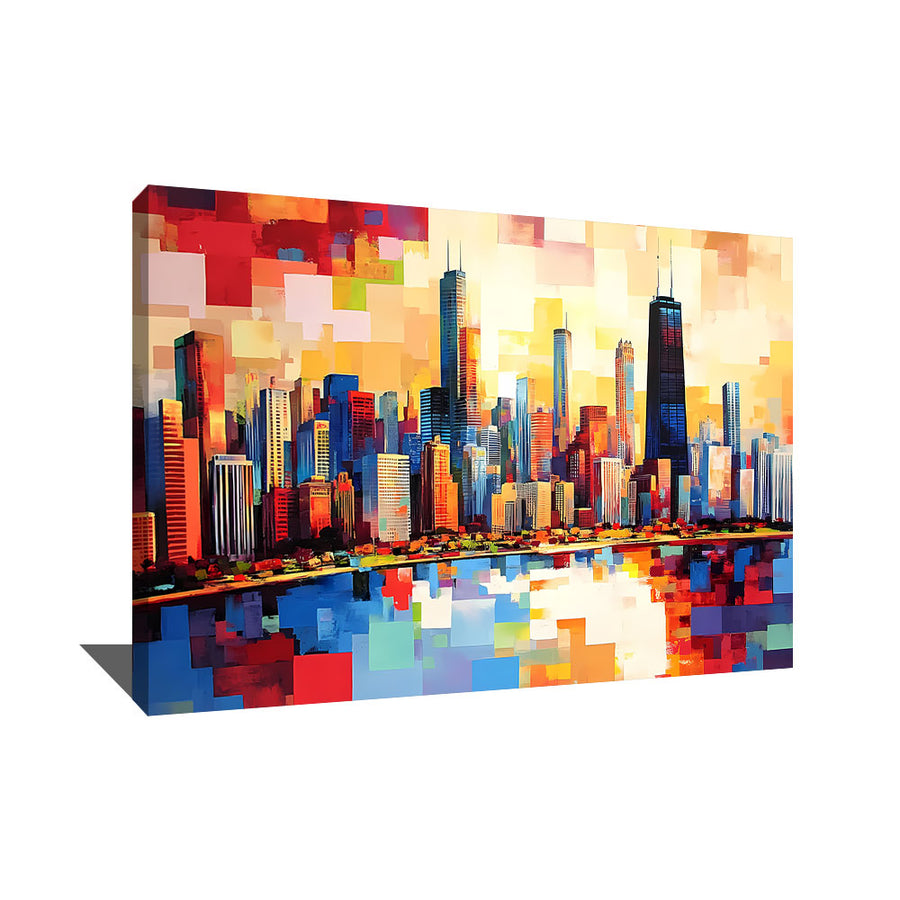
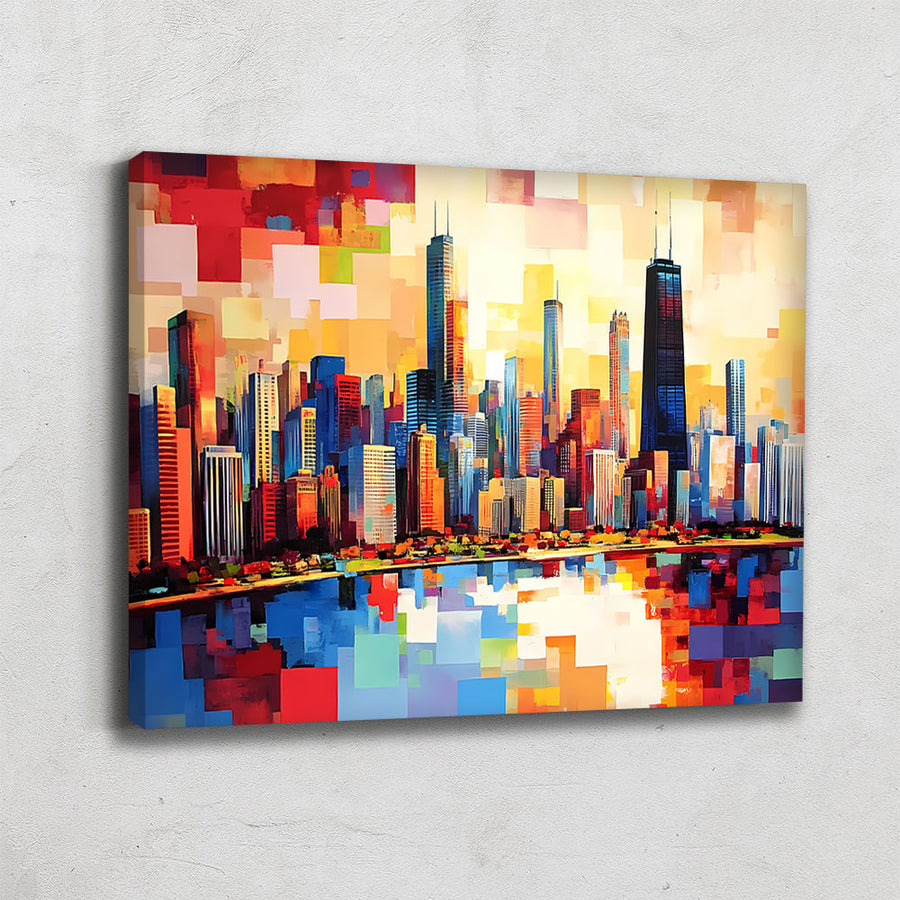
Add to Wishlist GEOMETRIC CHICAGO PAINTINGDès 89 €
-
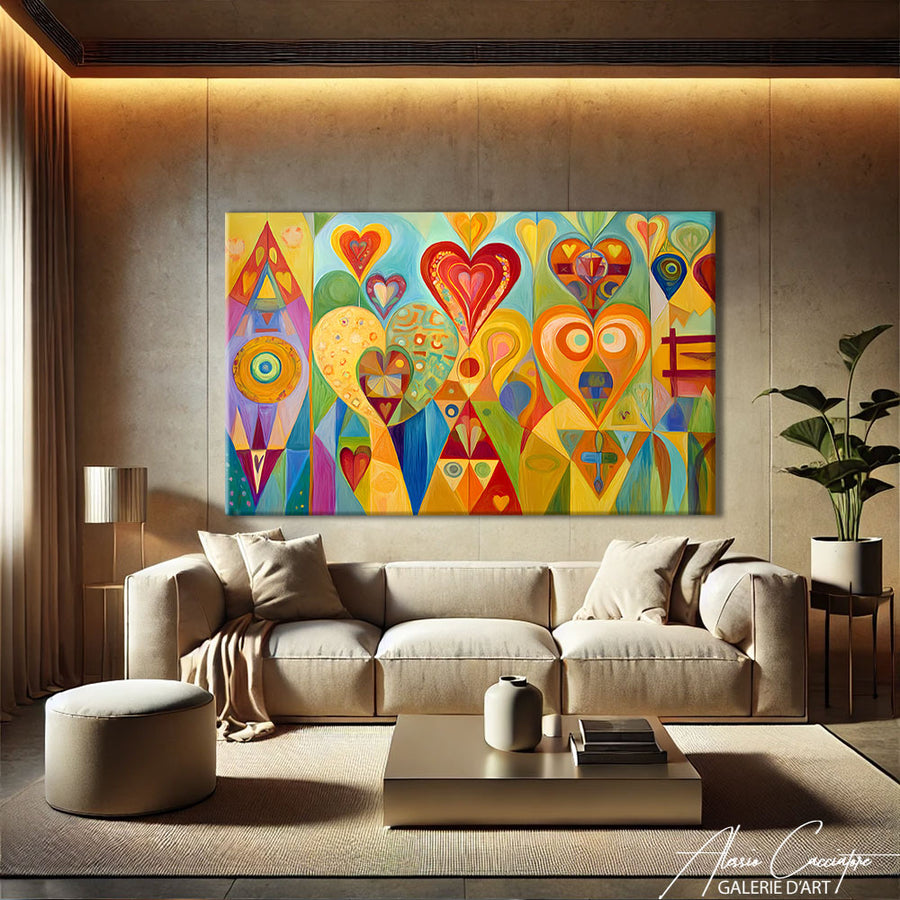
Add to Wishlist COLORED GEOMETRIC PAINTINGDès 89 €
-
Add to Wishlist GEOMETRIC BAR CHARTDès 89 €
-
Add to Wishlist GEOMETRIC SCANDINAVIAN PAINTINGDès 89 €
-
Add to Wishlist PAINTING WITH GEOMETRIC SHAPESDès 89 €
-
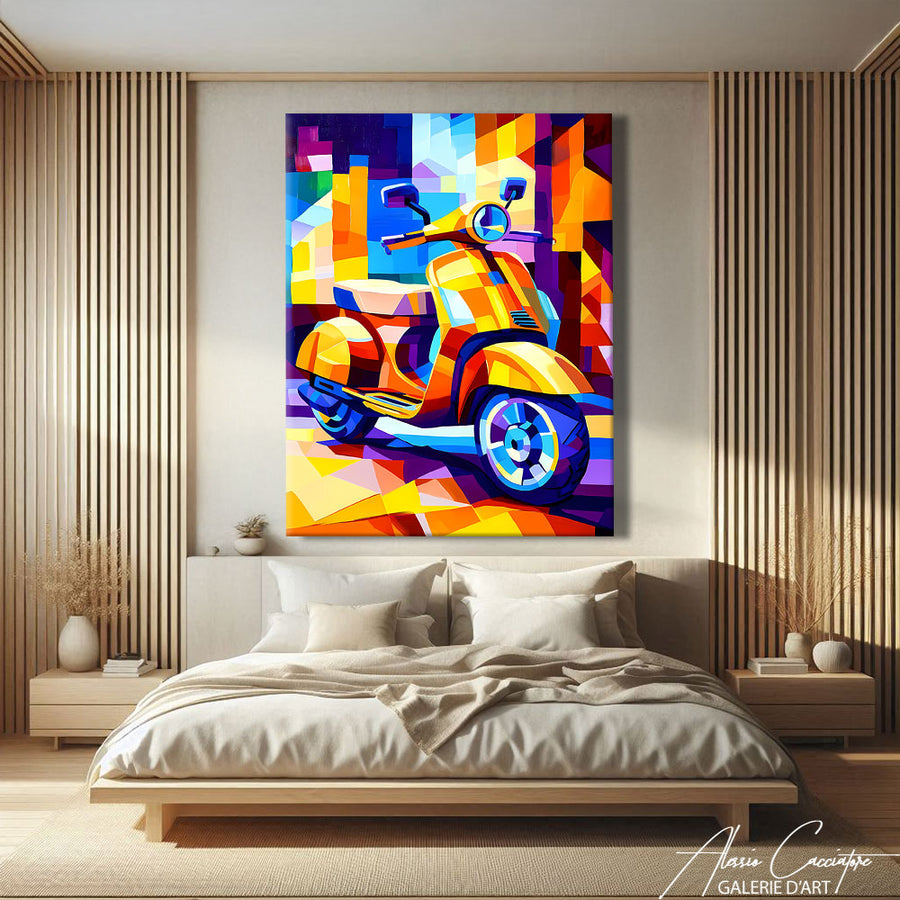
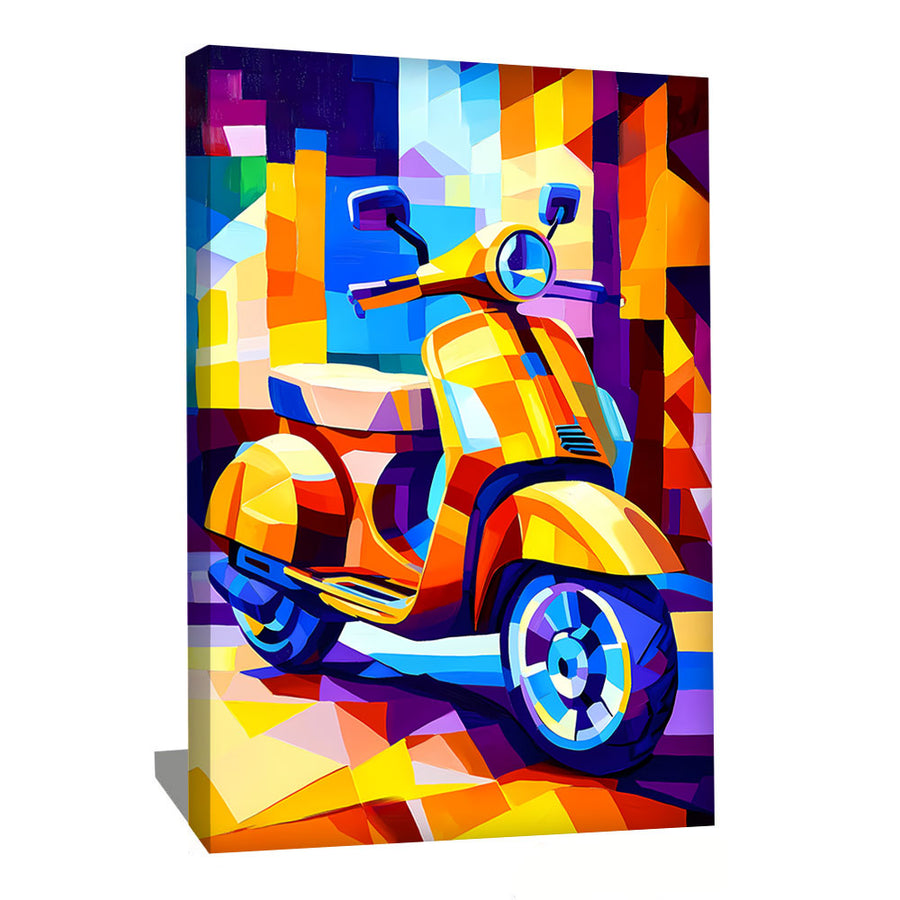
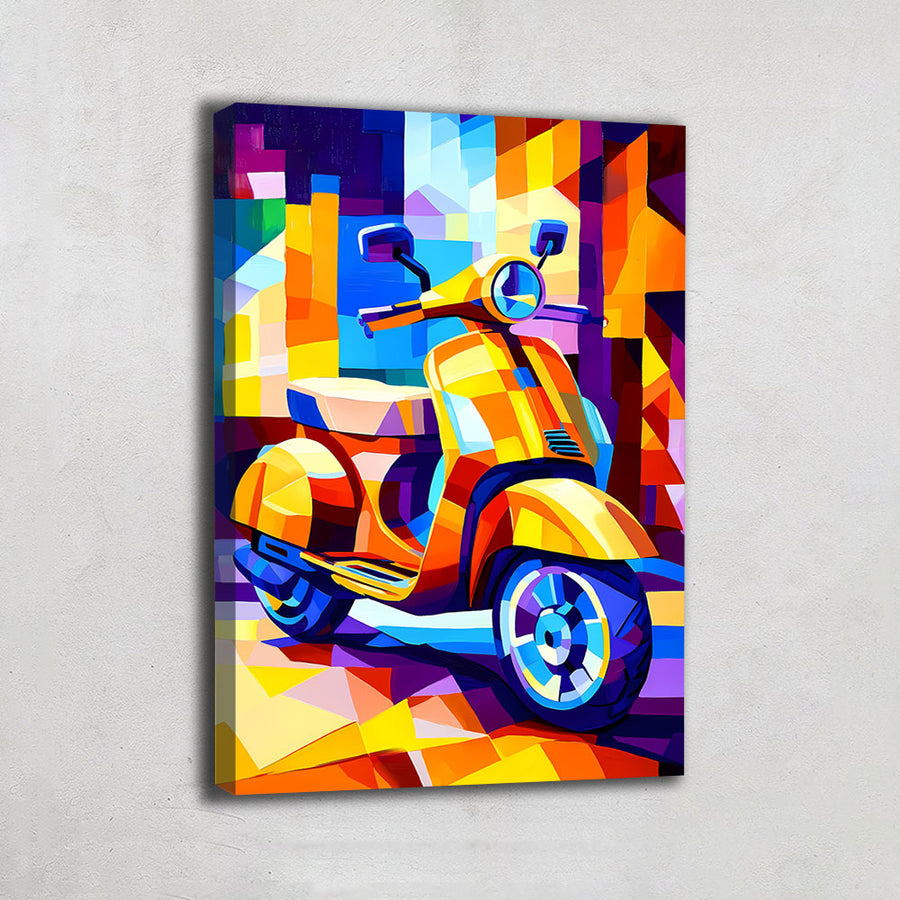
Add to Wishlist GEOMETRIC SCOOTER ARTDès 89 €
-
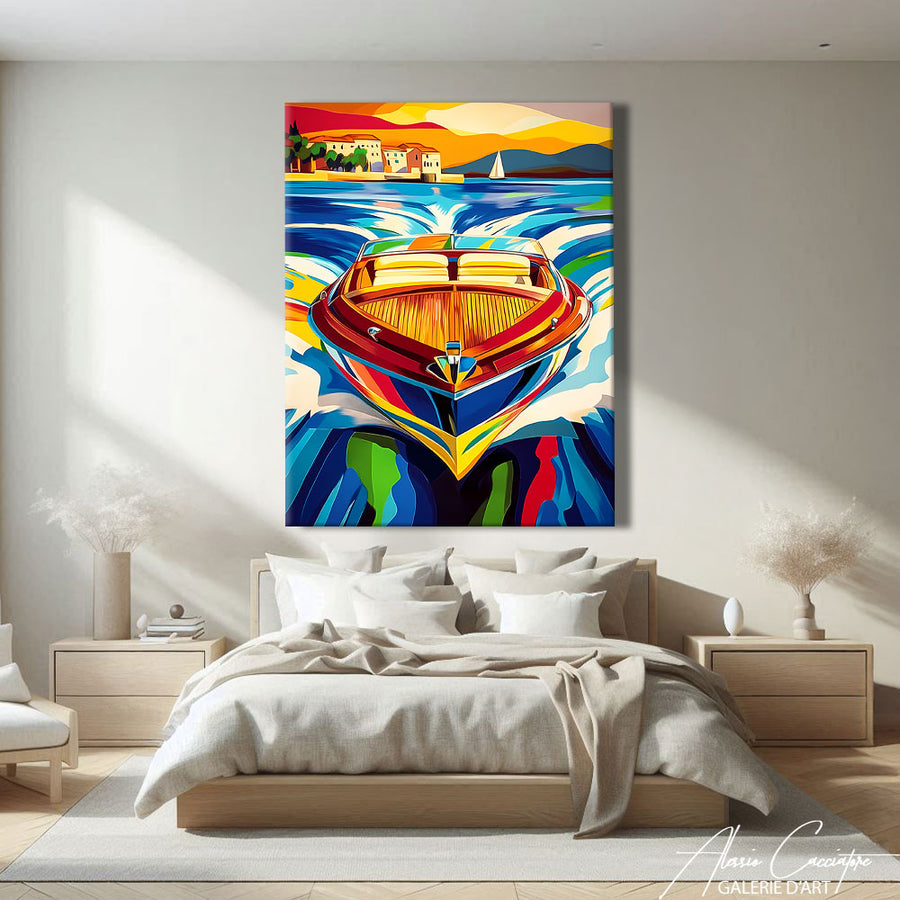
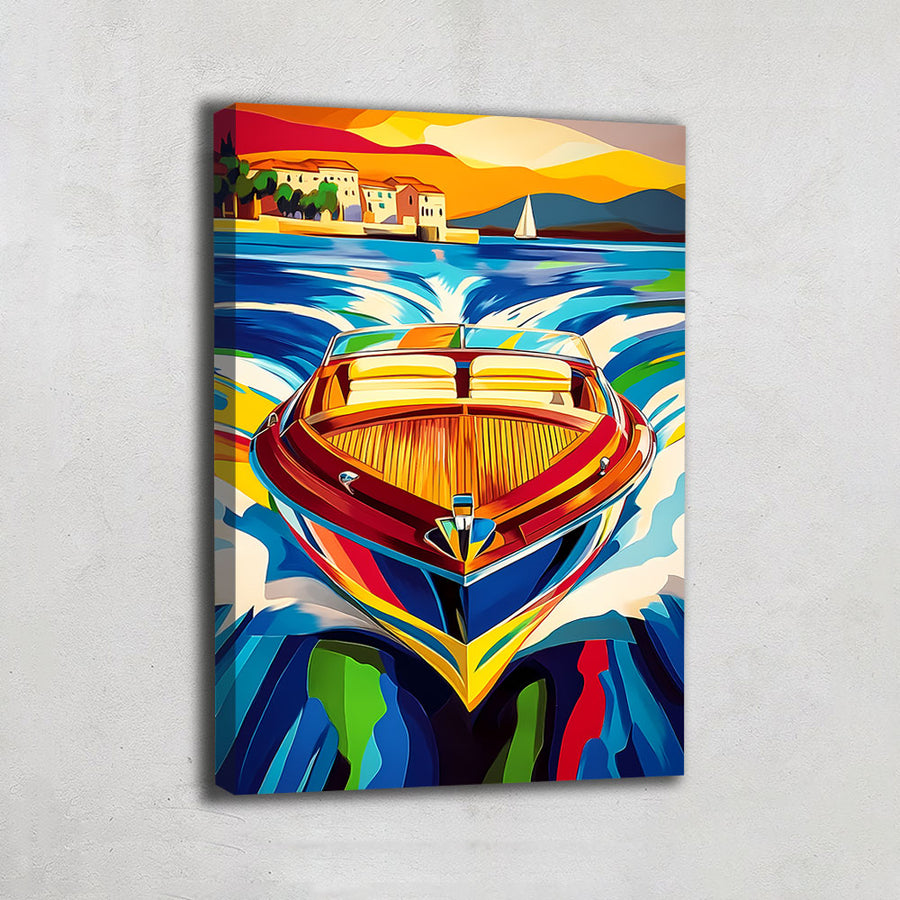
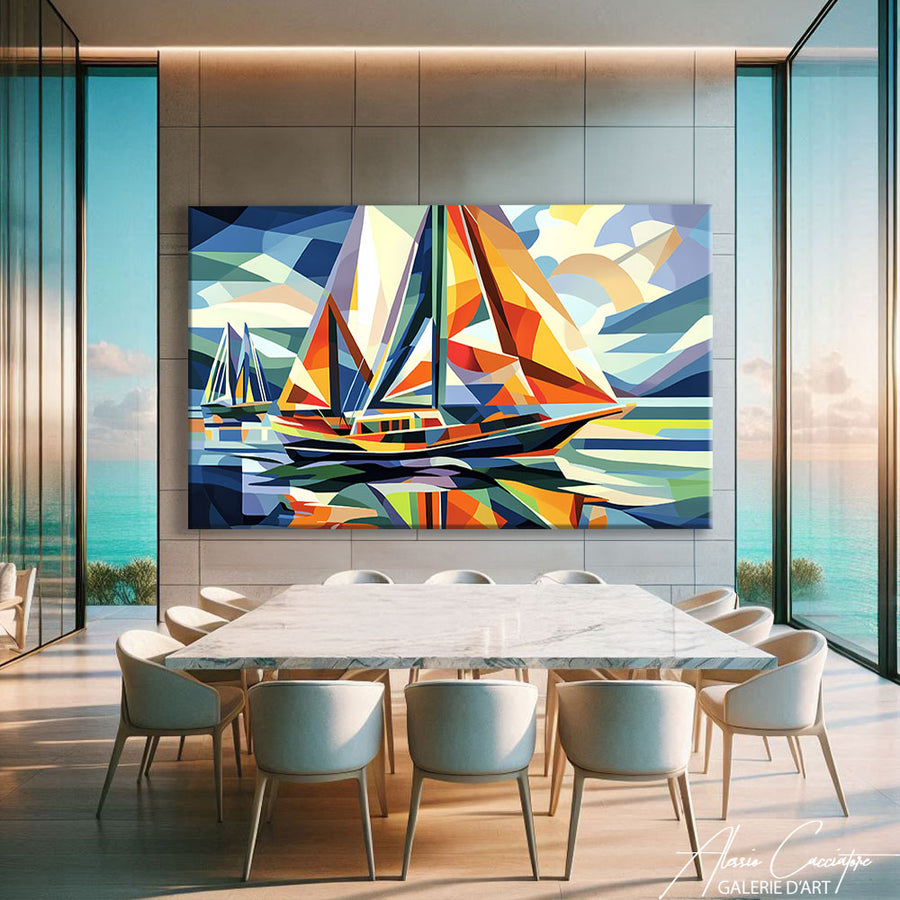
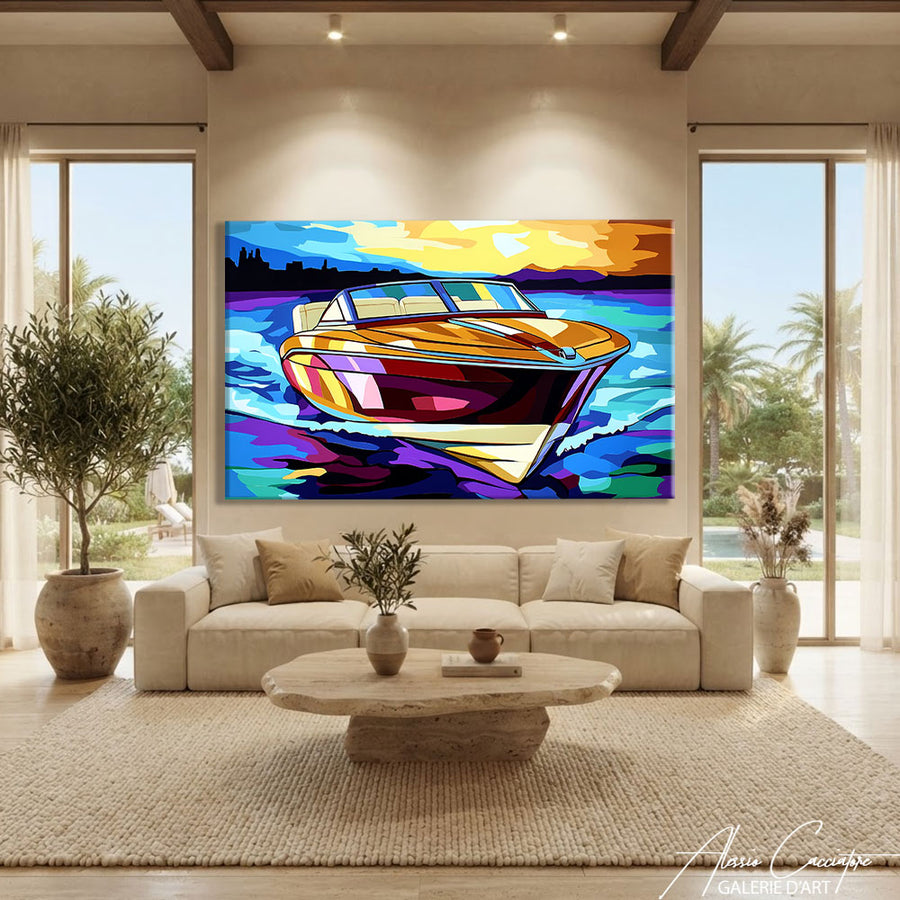
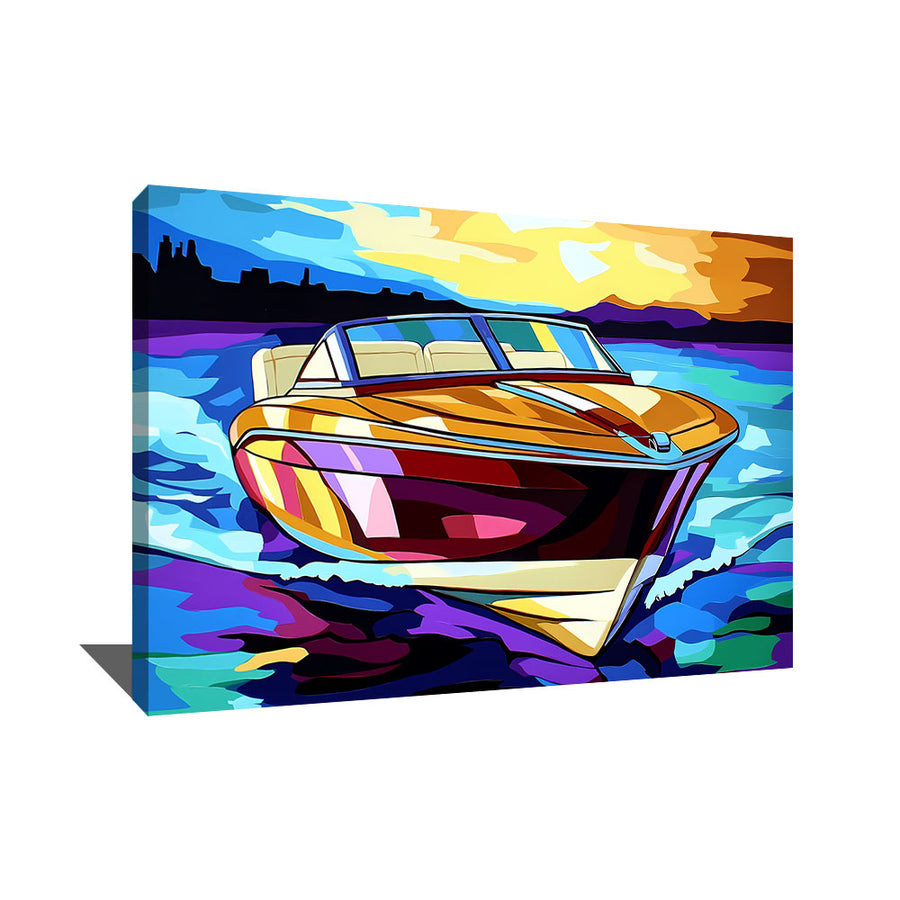
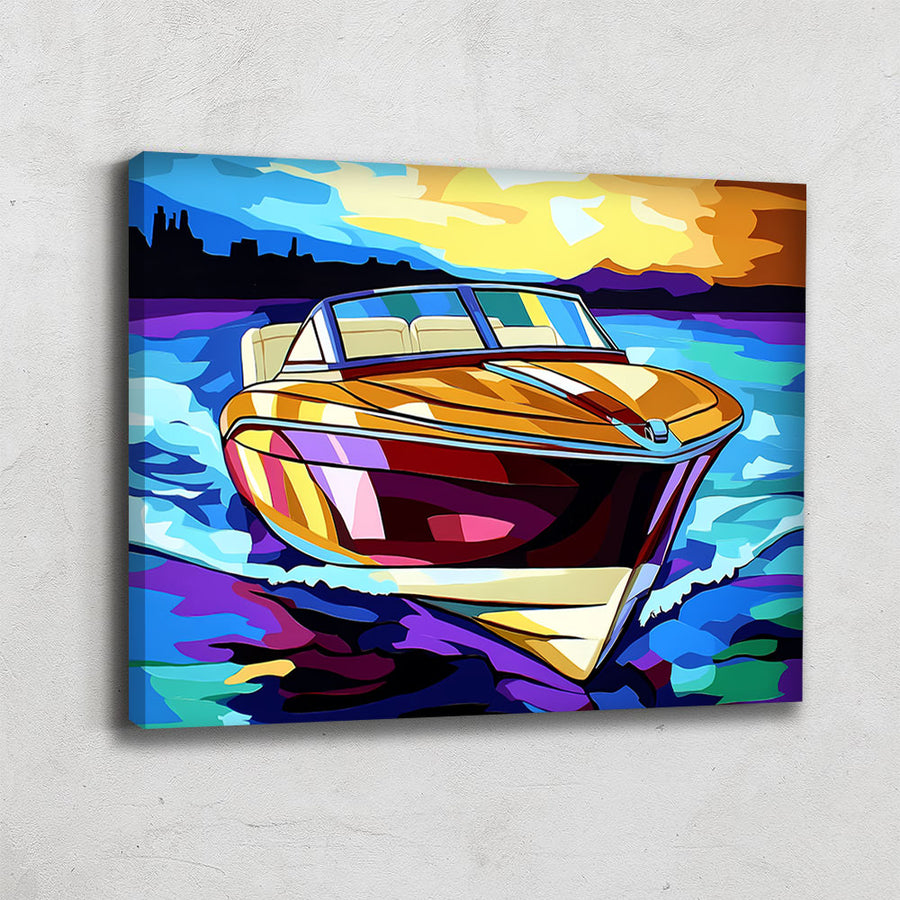
Add to Wishlist MODERN GEOMETRIC BOAT PAINTINGDès 89 €
-
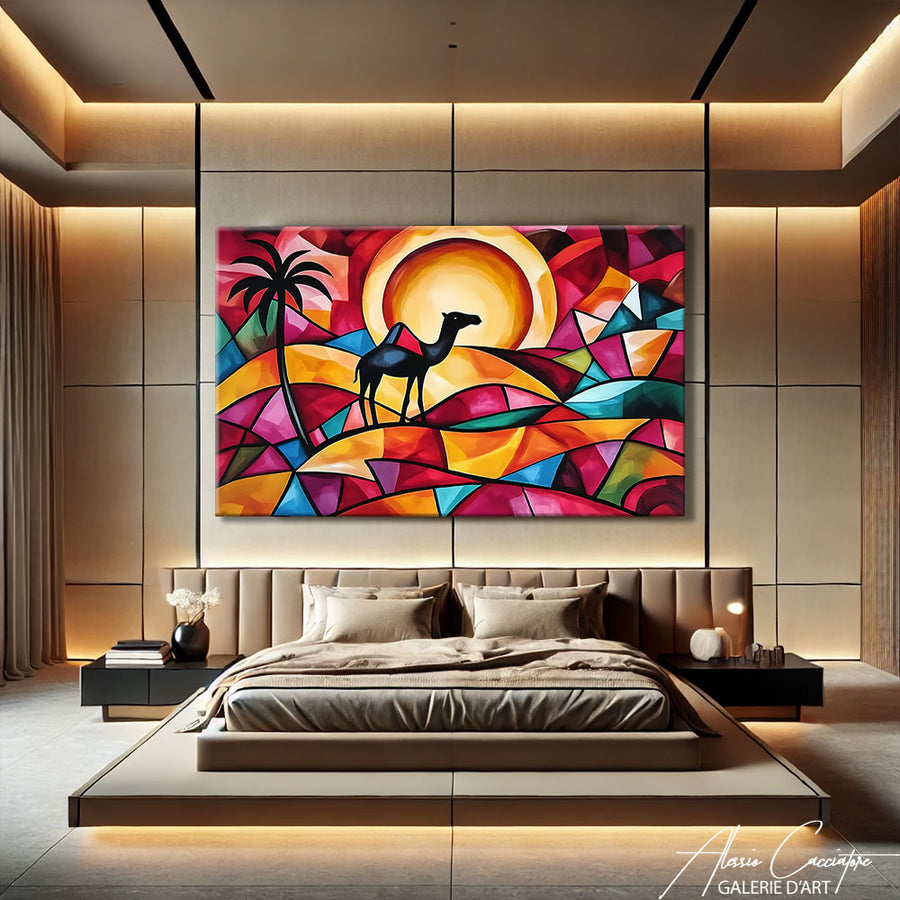
Add to Wishlist GEOMETRIC DESERT PAINTINGDès 89 €
-
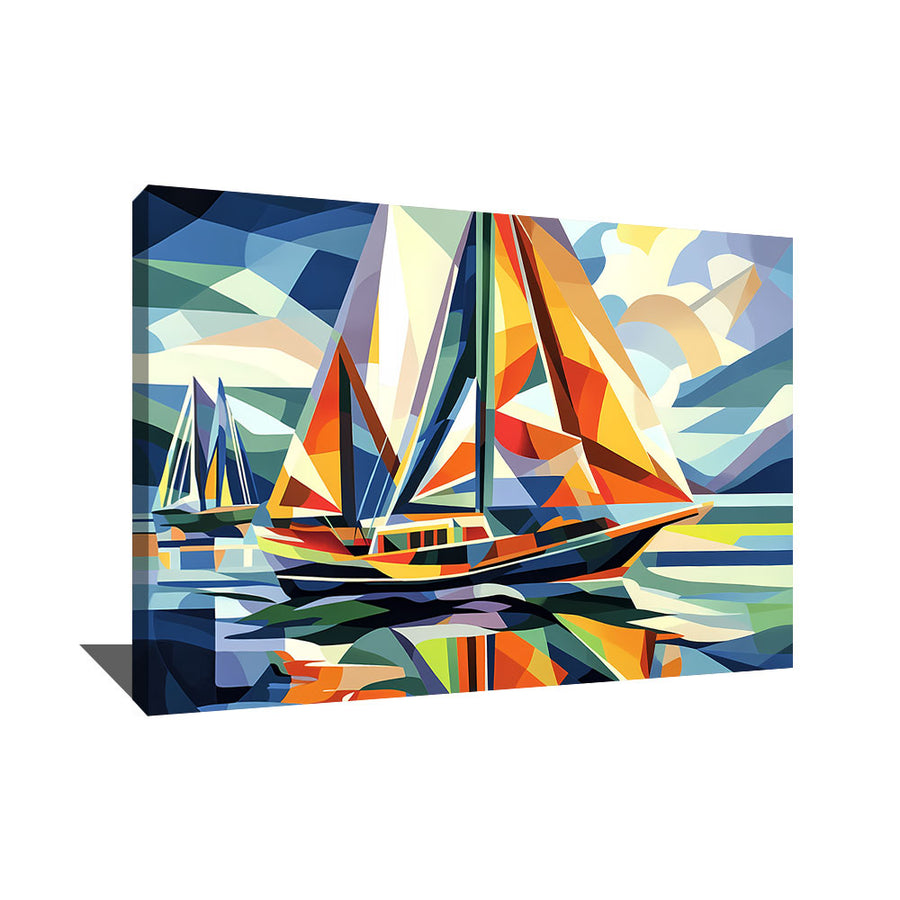
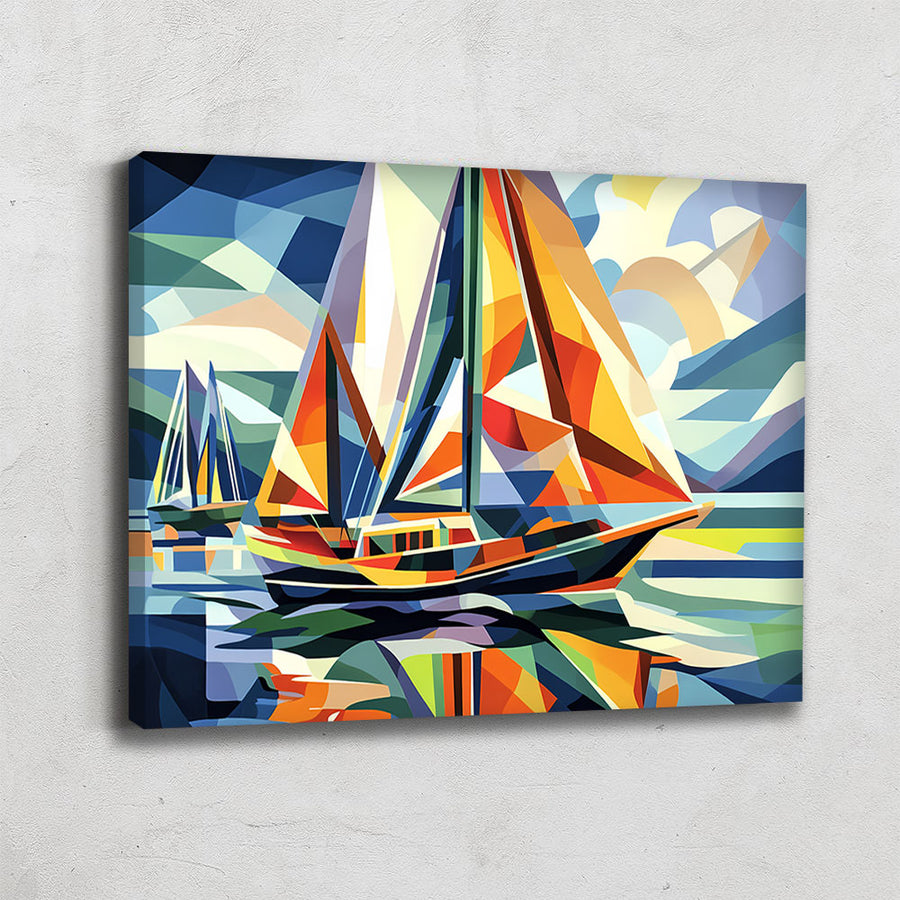
Add to Wishlist GEOMETRIC BOAT PAINTINGDès 89 €
-
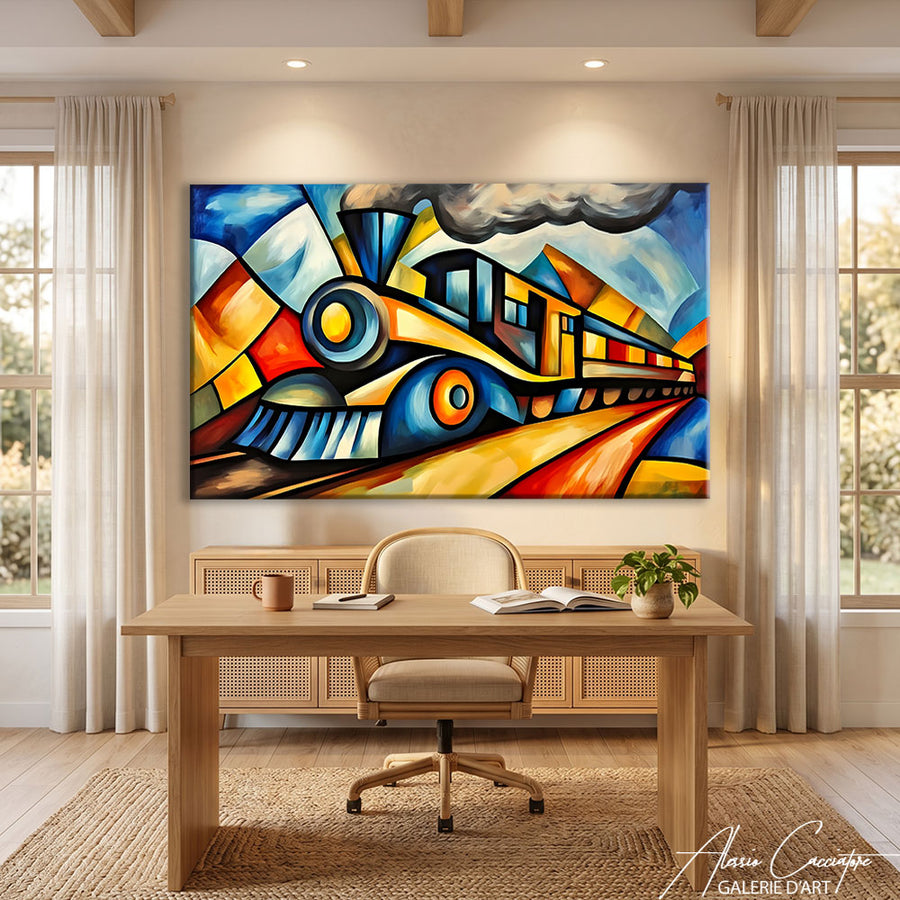
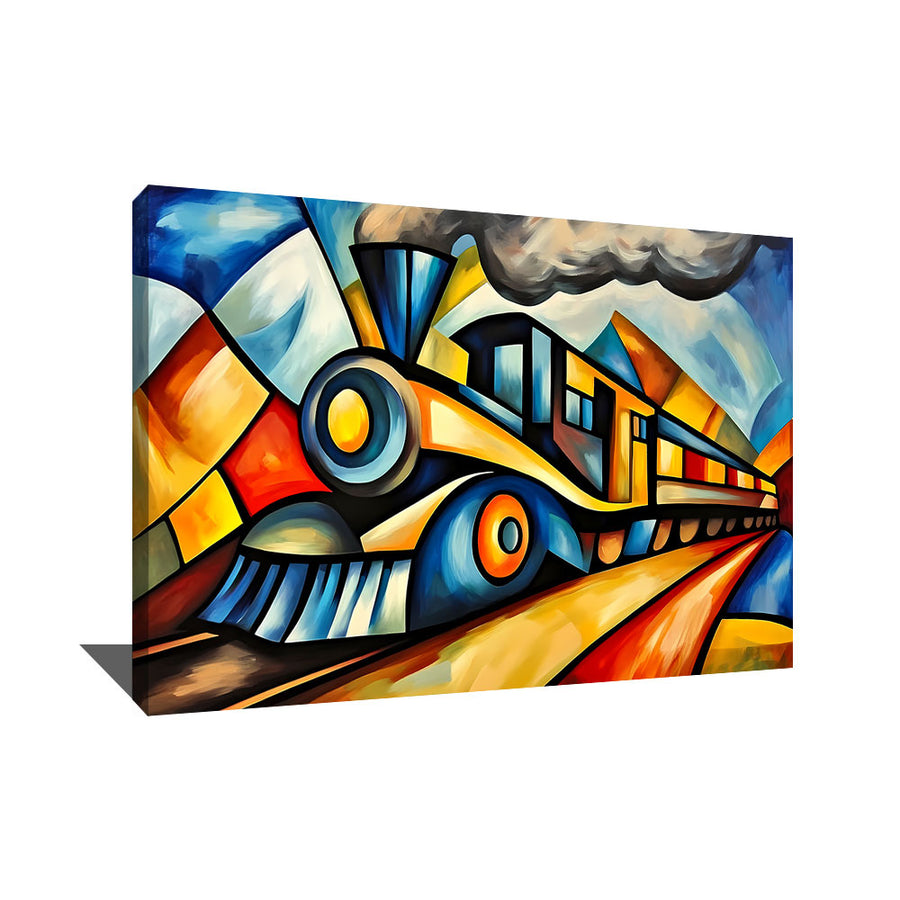
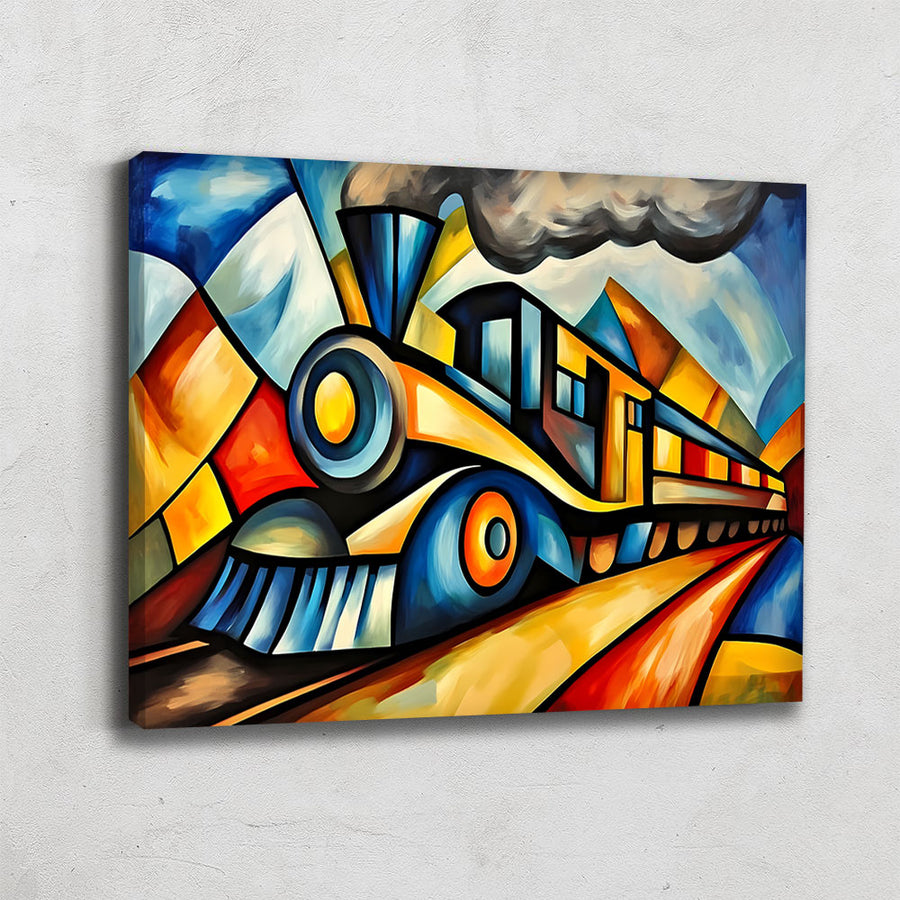
Add to Wishlist GEOMETRIC TRAIN PAINTINGDès 89 €
-
Add to Wishlist MODERN GEOMETRIC PAINTINGDès 89 €
-
Add to Wishlist GEOMETRIC SHAPE PAINTINGDès 89 €
-
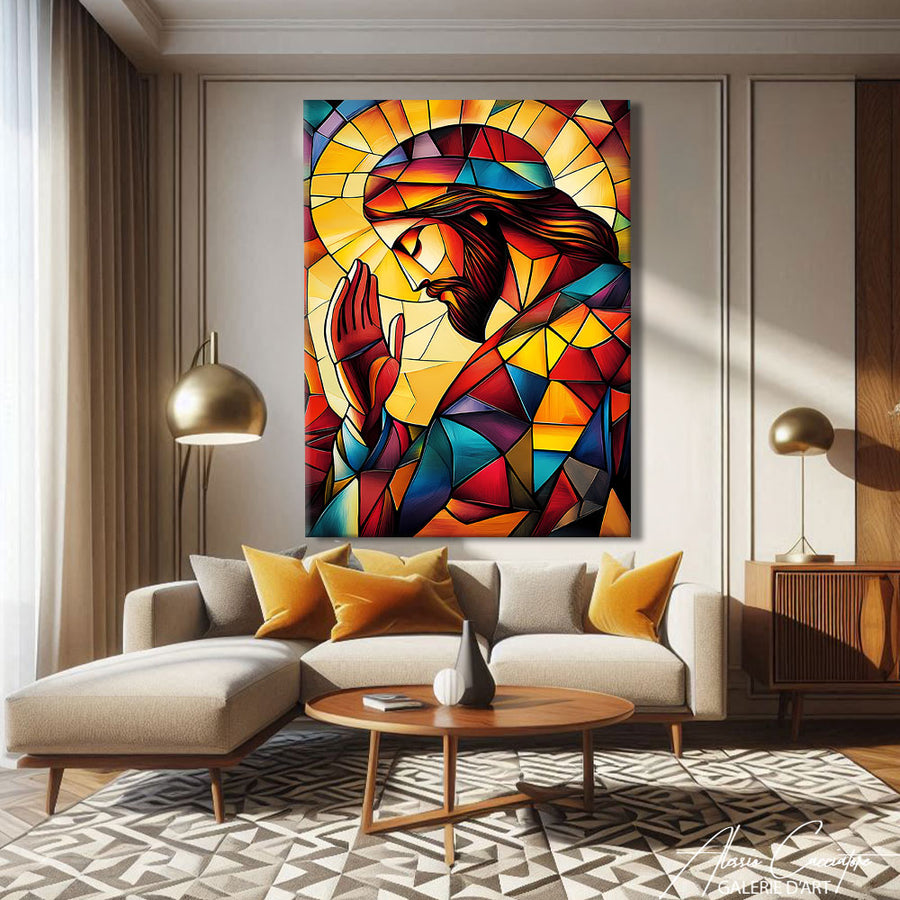
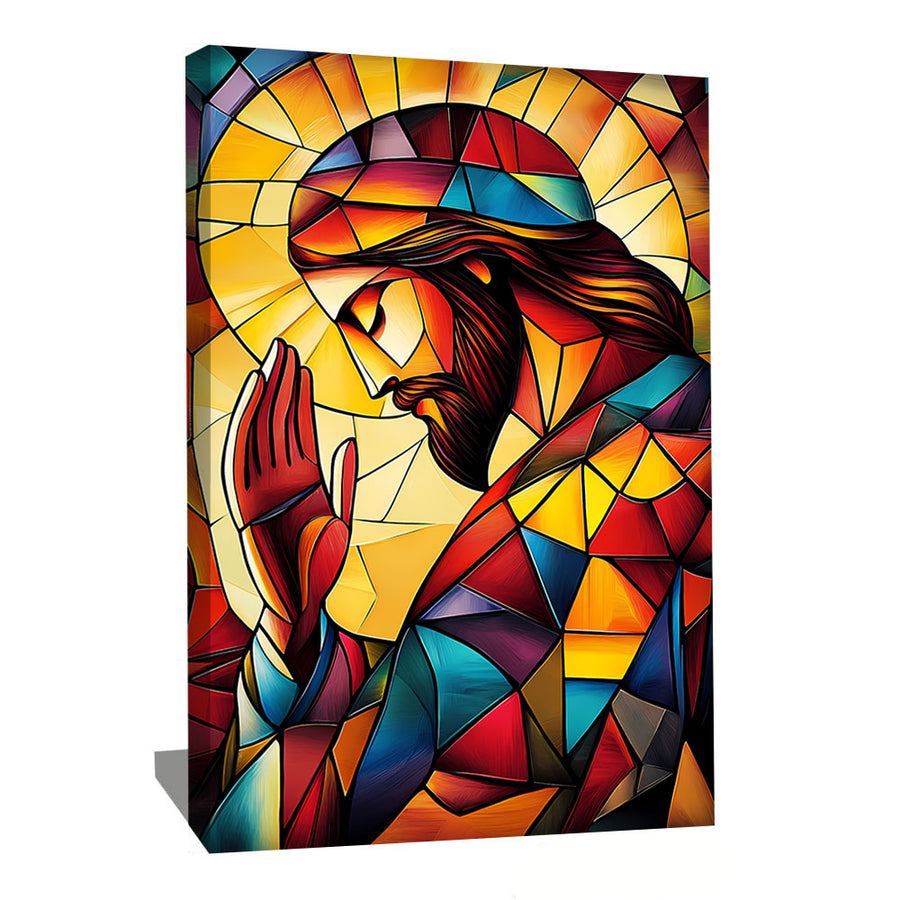
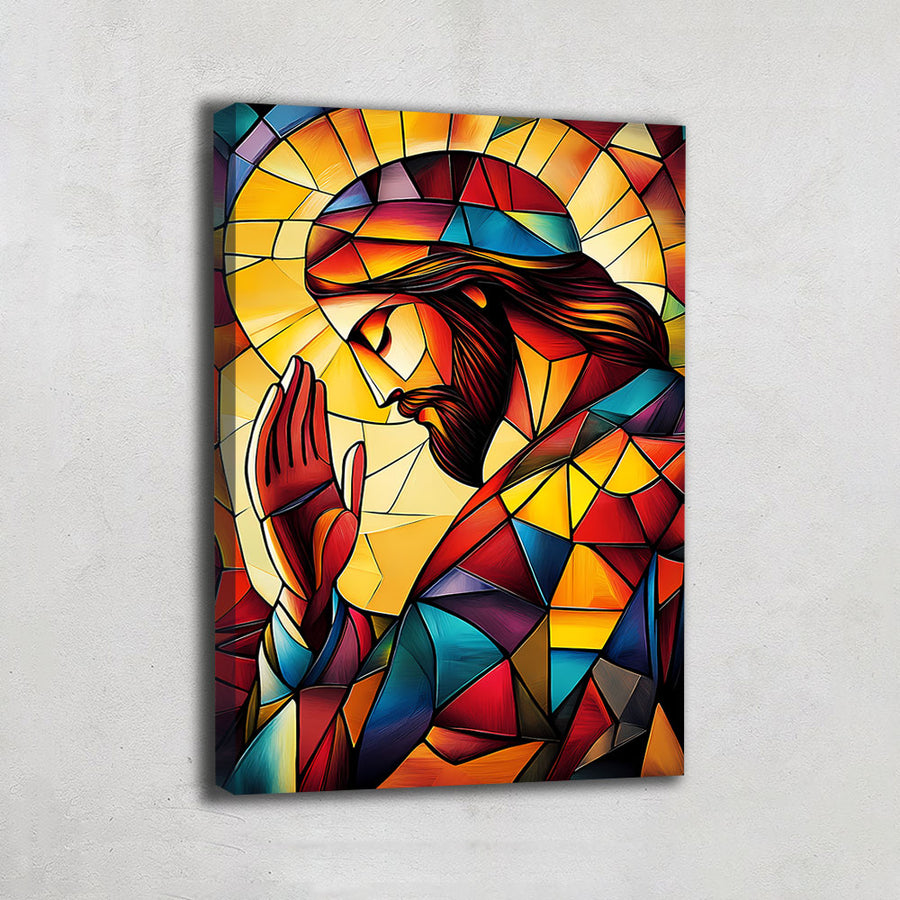
Add to Wishlist JESUS GEOMETRIC SHAPES PAINTINGDès 89 €
-
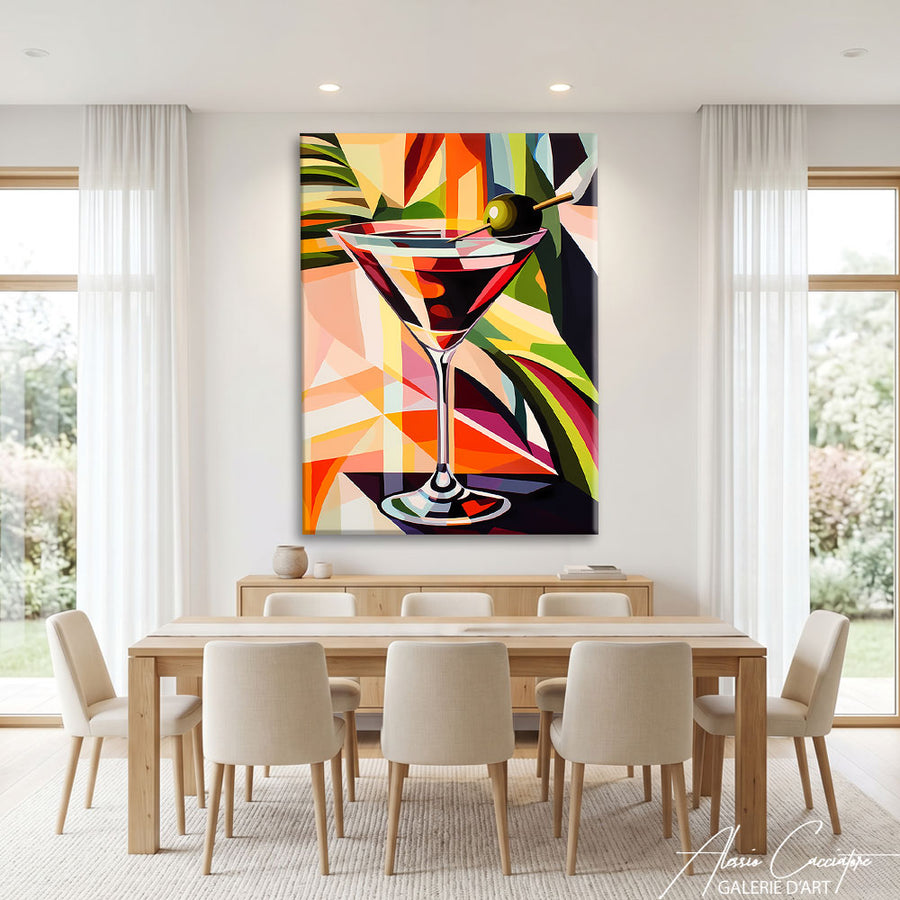
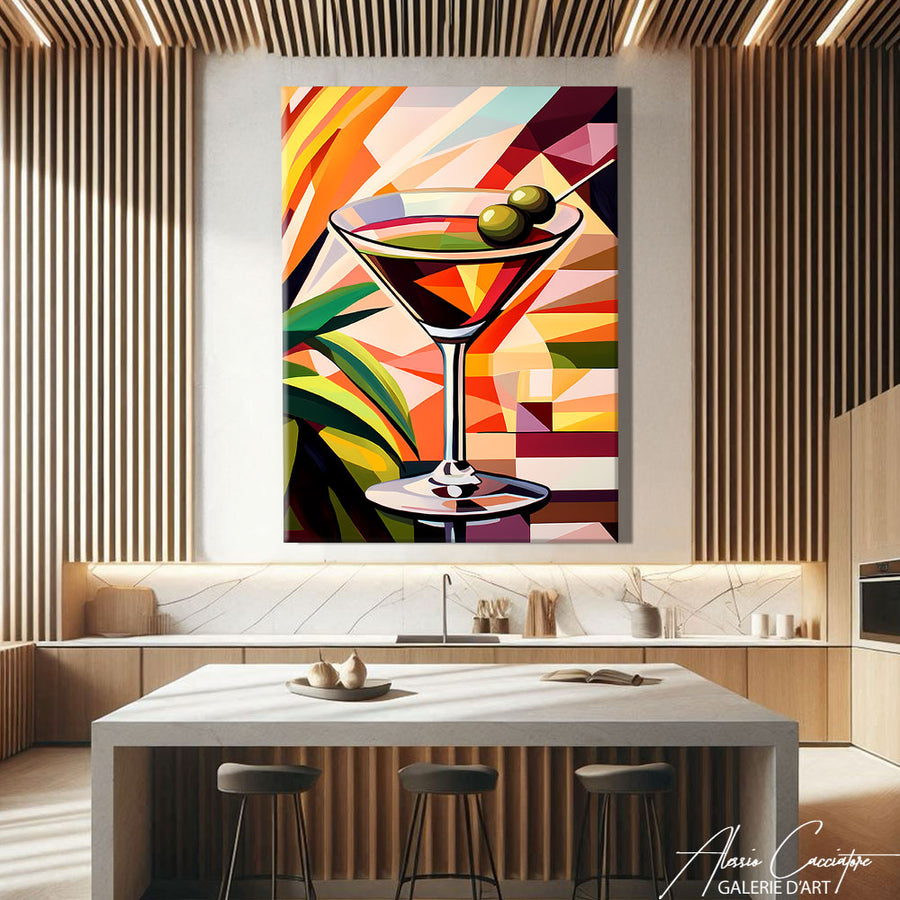
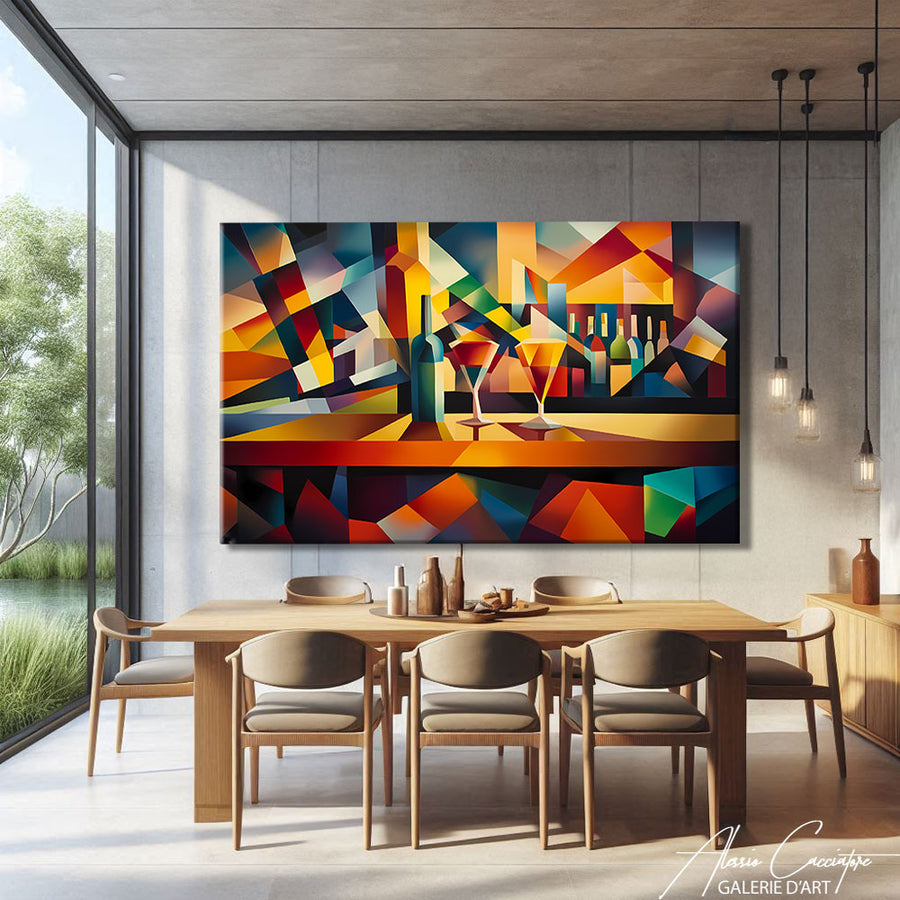
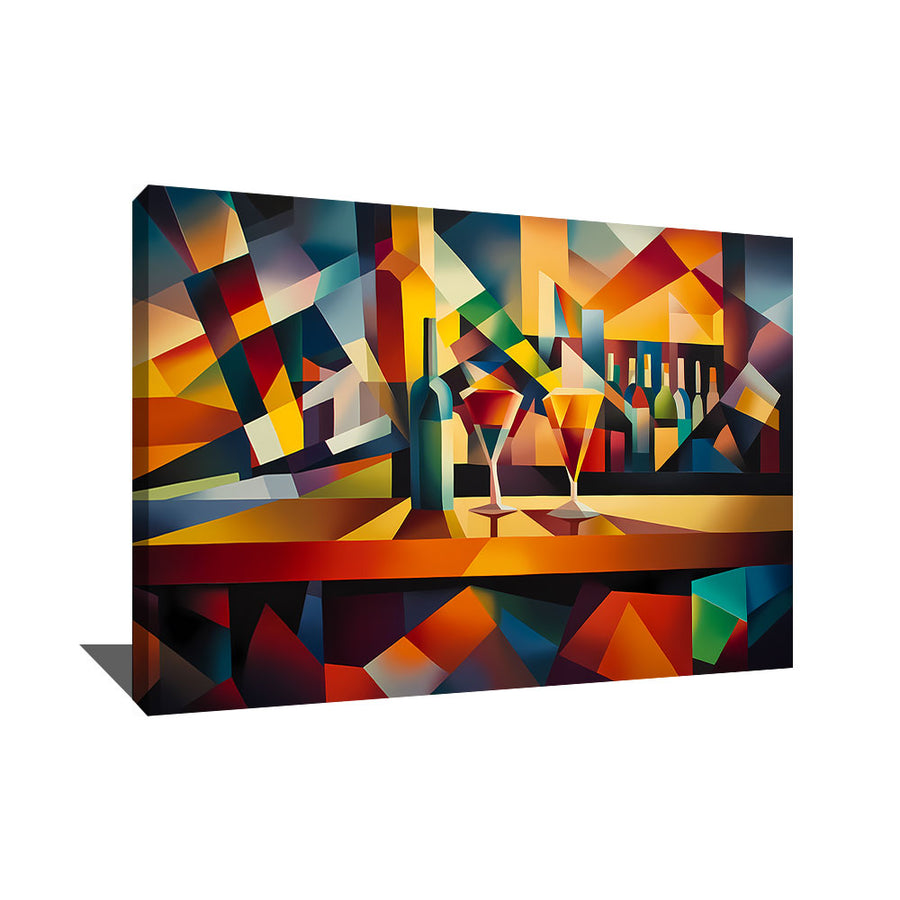
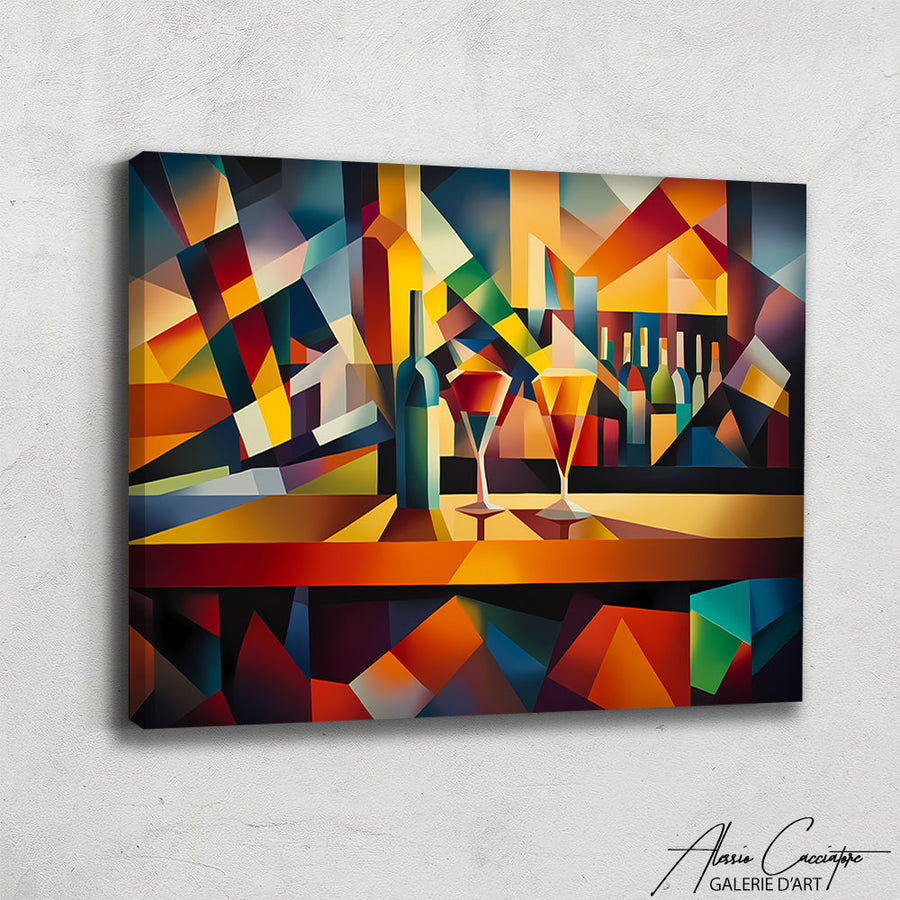
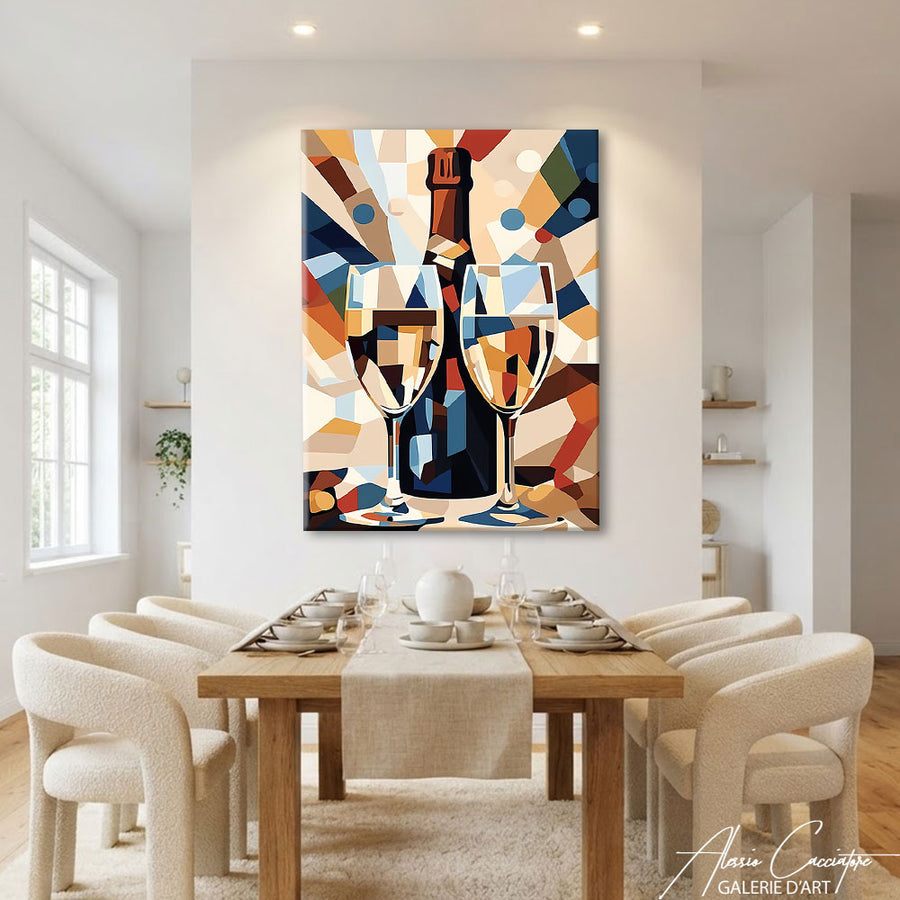
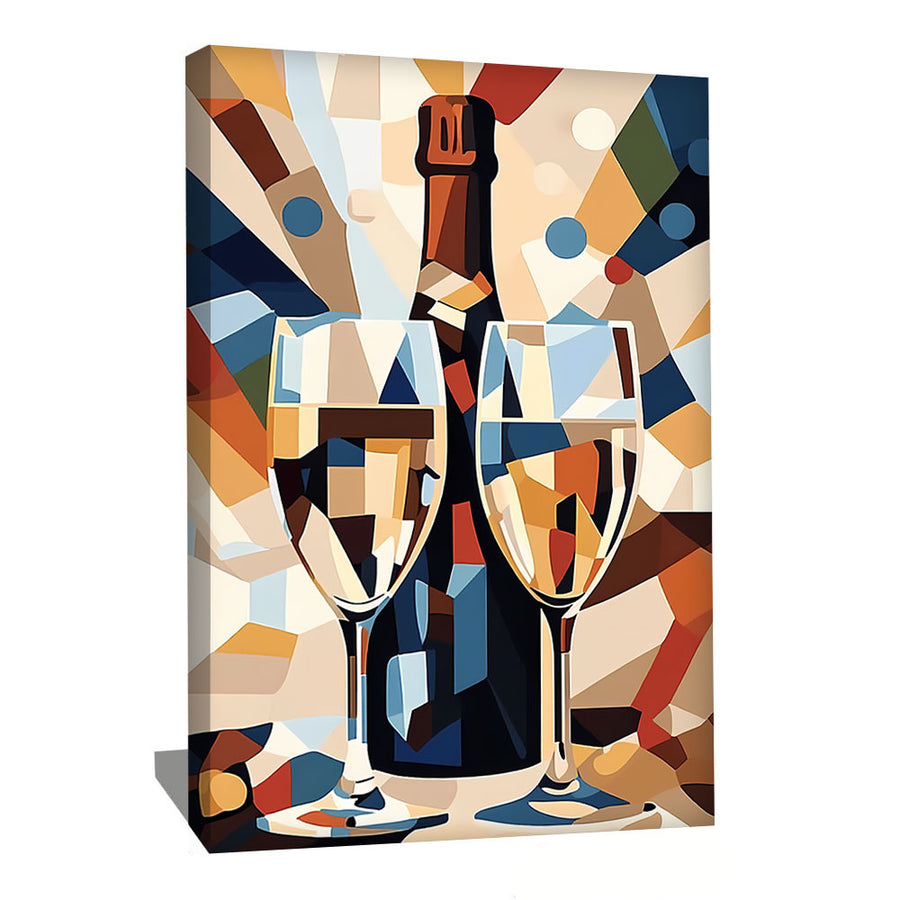
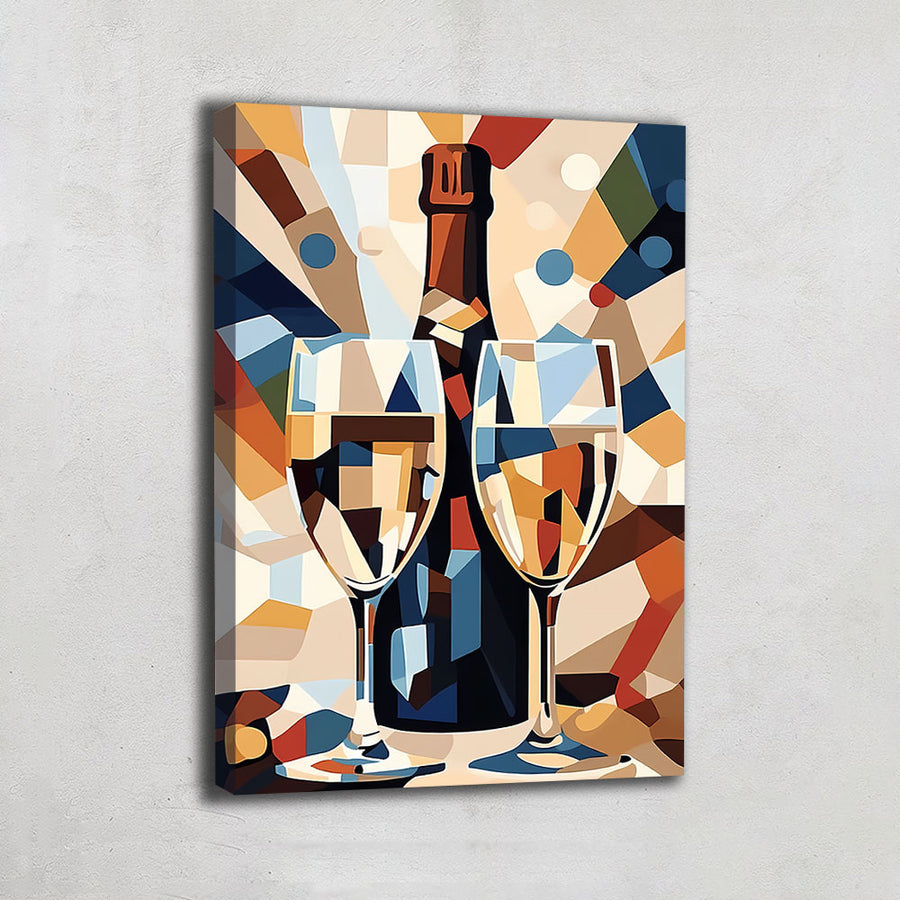
Add to Wishlist GEOMETRIC CHAMPAGNE PAINTINGDès 89 €
-
Add to Wishlist ABSTRACT GEOMETRIC PAINTINGDès 89 €
-
Add to Wishlist GEOMETRIC BOAT PAINTINGDès 89 €
-
Add to Wishlist ORIENTAL GEOMETRIC PAINTINGDès 89 €
-
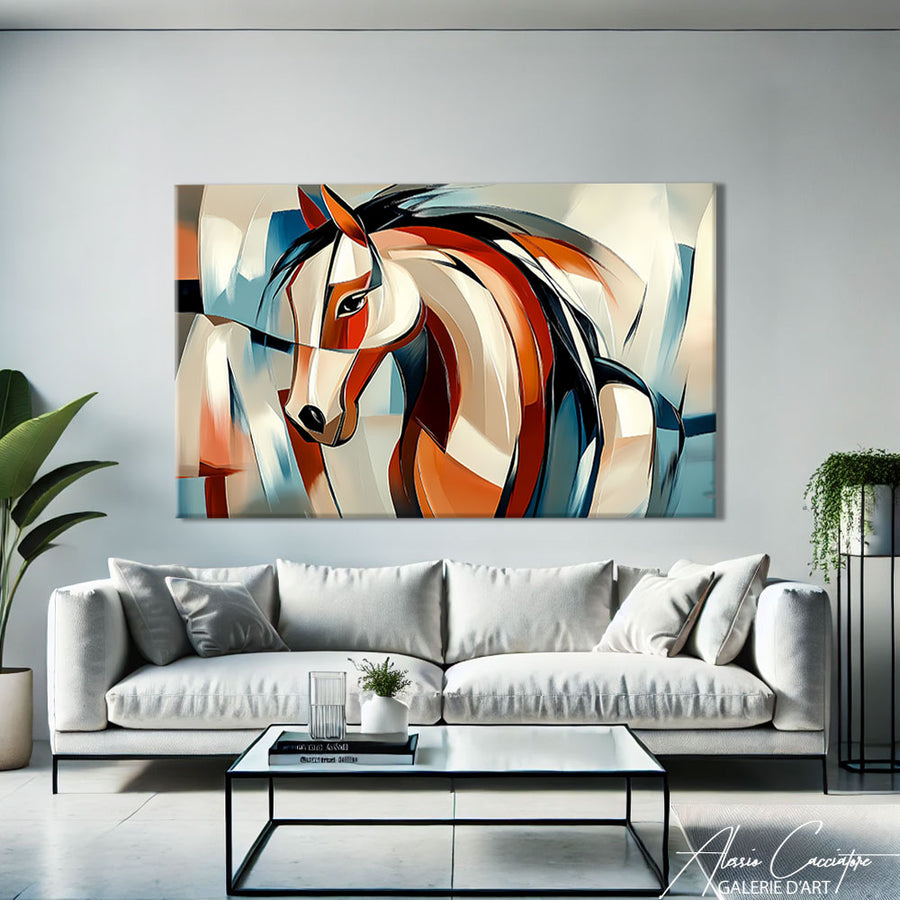
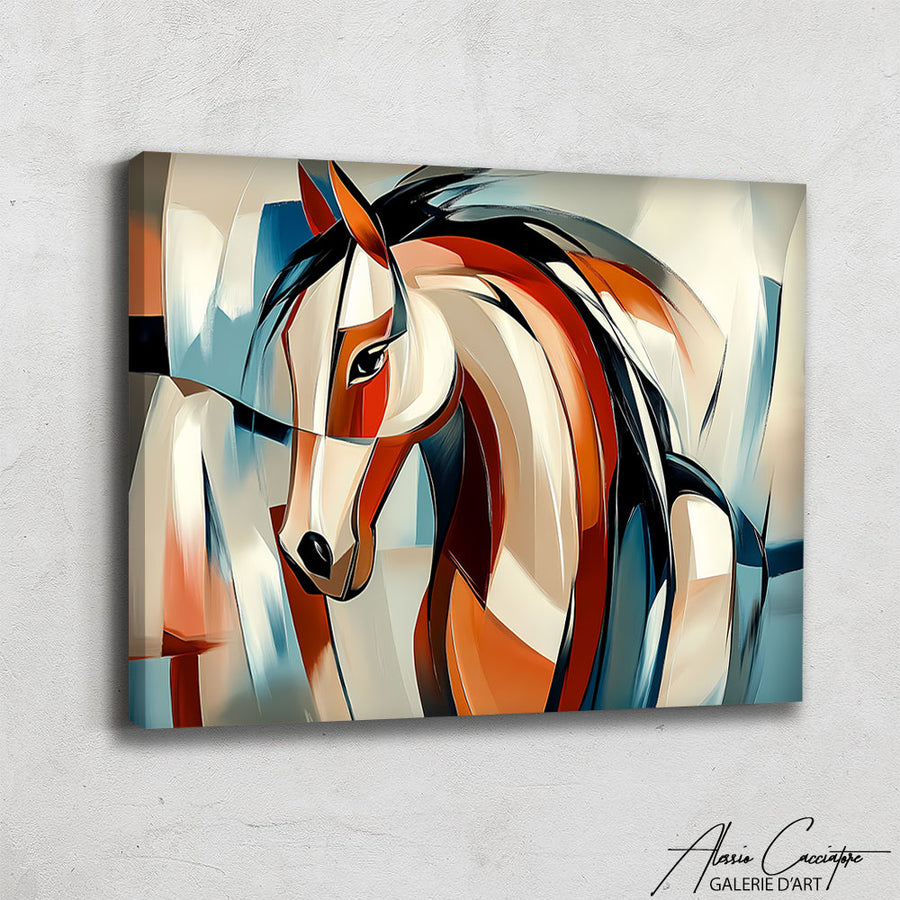
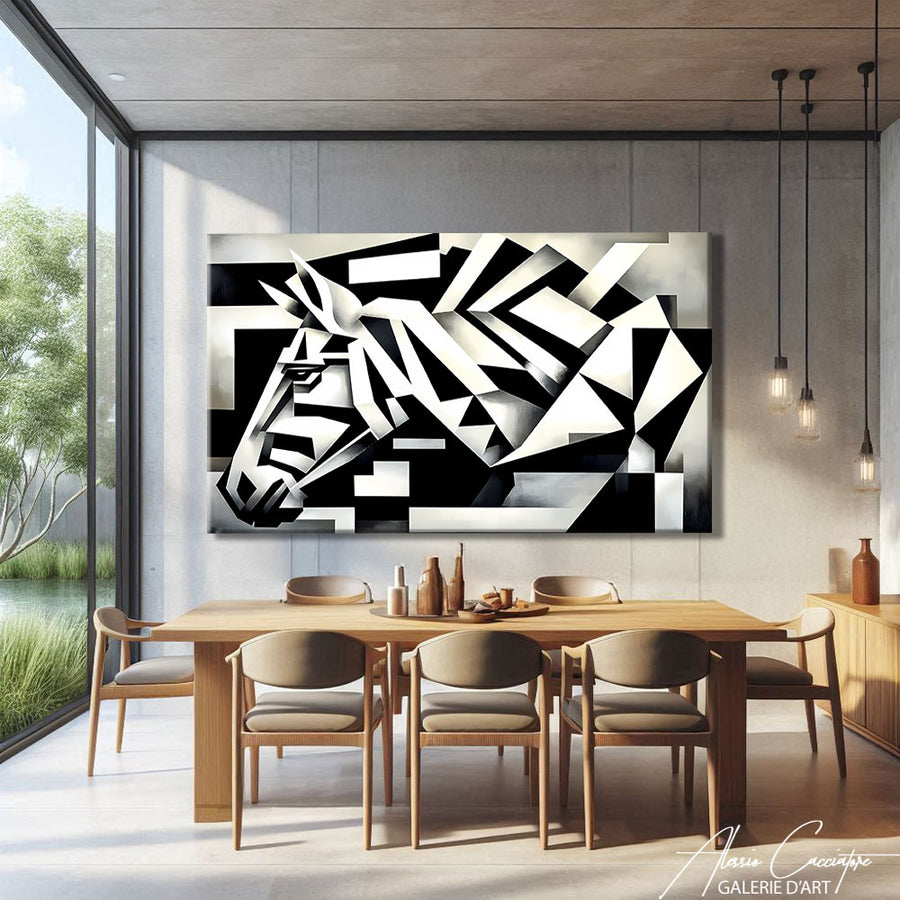
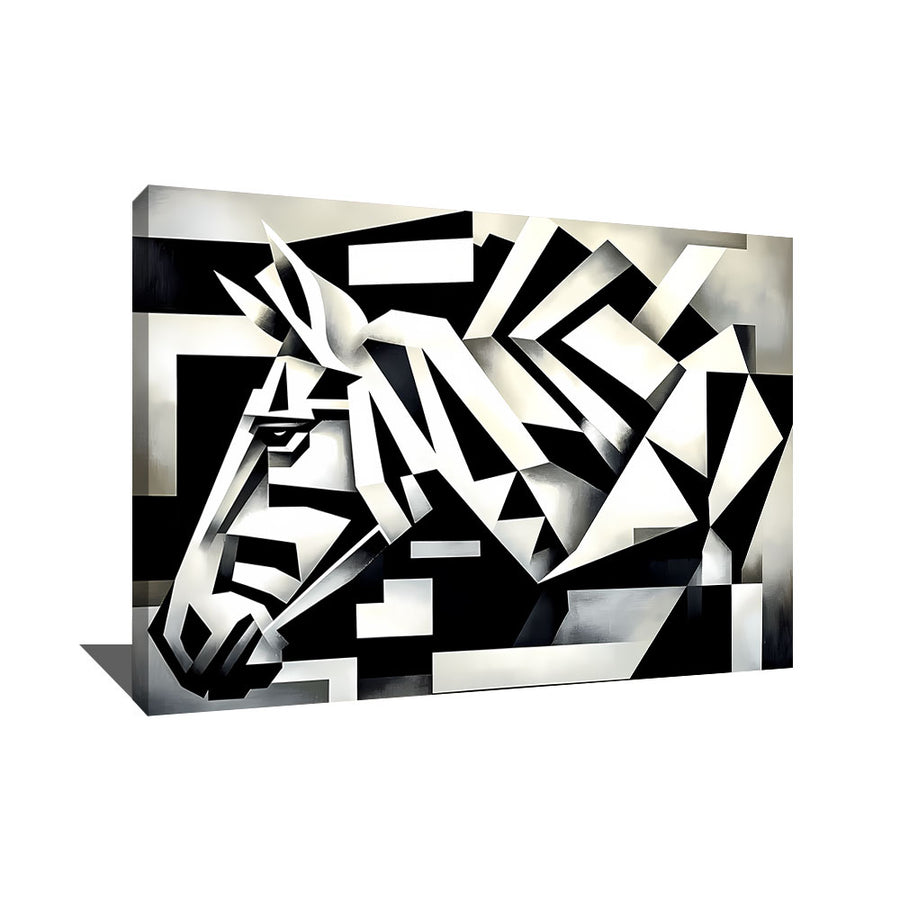
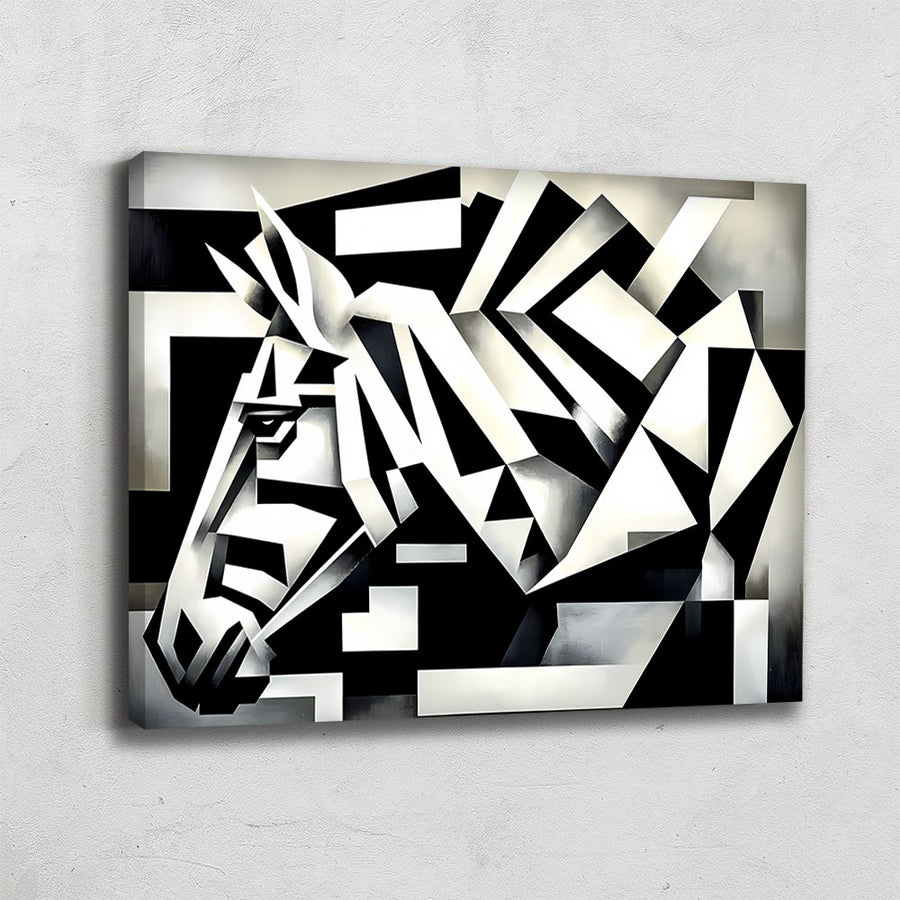
Add to Wishlist GEOMETRIC HORSE PAINTINGDès 89 €
-
Add to Wishlist MODERN GEOMETRIC PAINTINGDès 89 €
-
Add to Wishlist COLORED GEOMETRIC TABLEDès 89 €
-
Add to Wishlist MODERN GEOMETRIC PAINTINGDès 89 €
-
Add to Wishlist GEOMETRIC DEER PAINTINGDès 89 €
-
Add to Wishlist COLORED GEOMETRIC TABLEDès 89 €
-
Add to Wishlist MODERN GEOMETRIC PAINTINGDès 89 €
-
Add to Wishlist BLACK AND WHITE GEOMETRIC PAINTINGDès 89 €
-
Add to Wishlist ABSTRACT GEOMETRIC PAINTINGDès 89 €
-
Add to Wishlist ABSTRACT GEOMETRIC PAINTINGDès 89 €
-
Add to Wishlist CONTEMPORARY GEOMETRIC PAINTINGDès 89 €
-
Add to Wishlist GEOMETRIC ABSTRACT PAINTINGDès 89 €
-
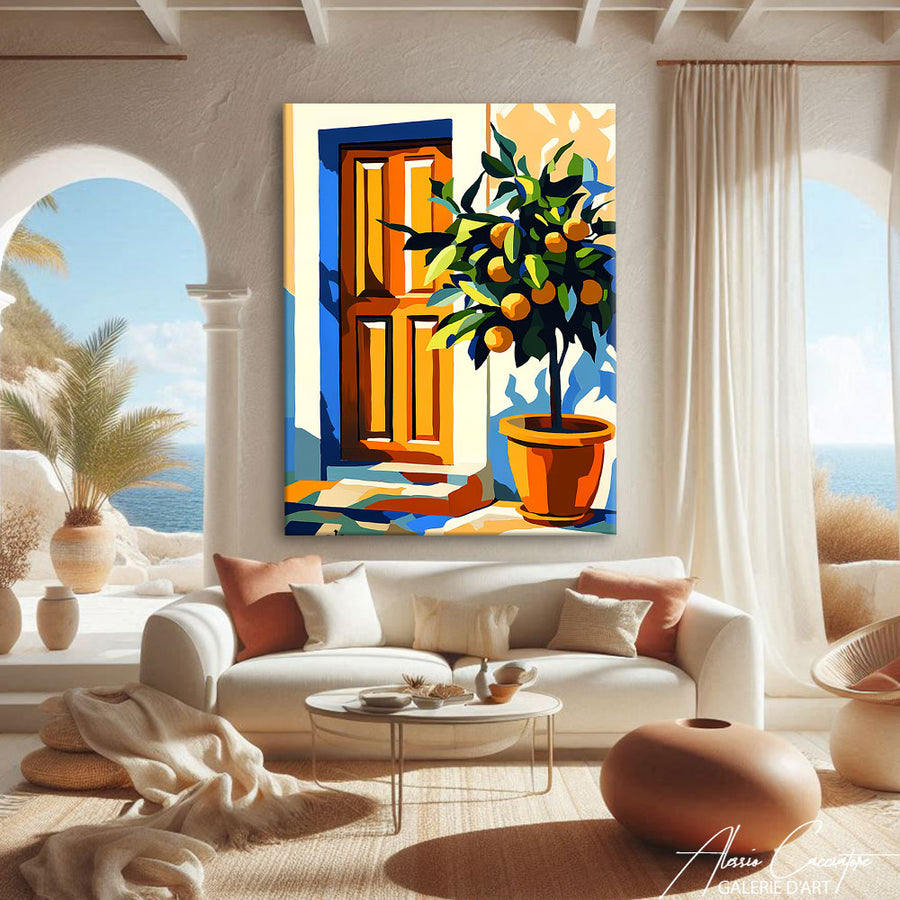
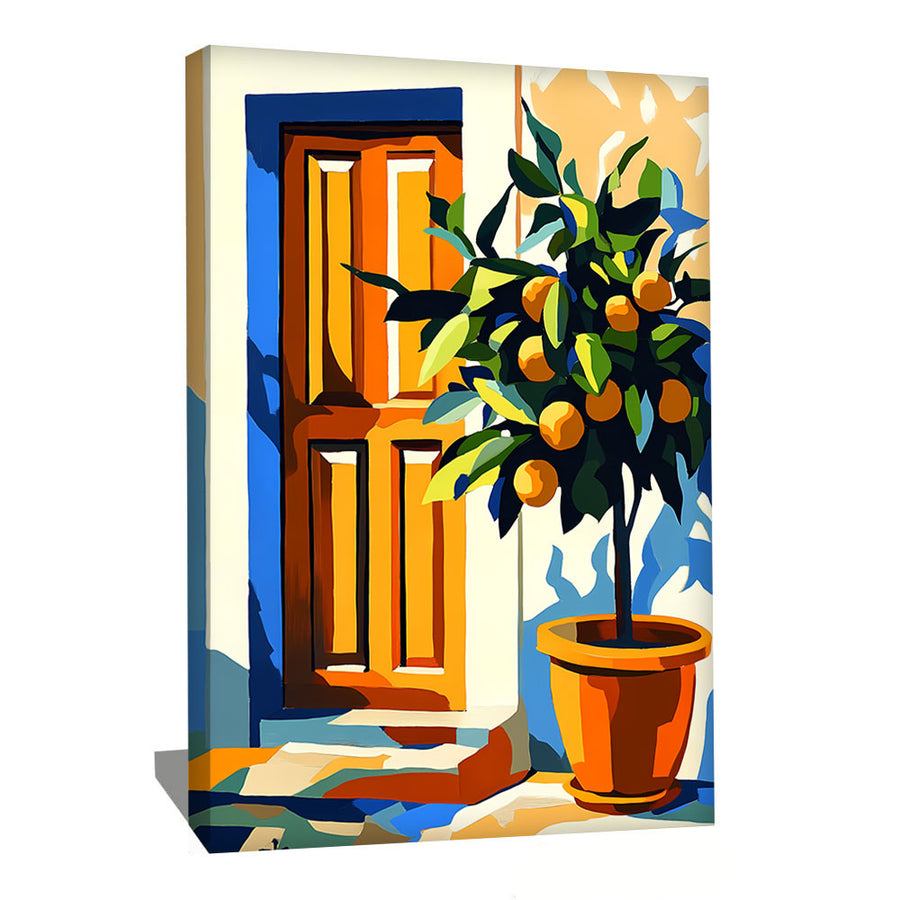
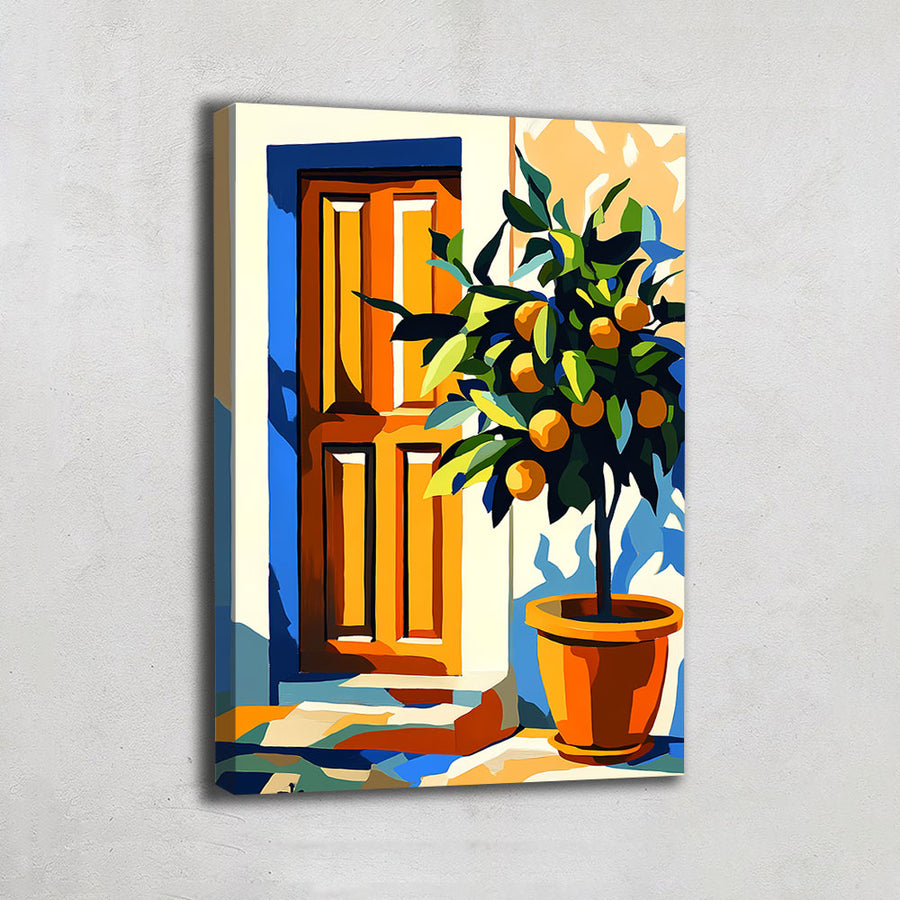
Add to Wishlist GEOMETRIC TERRACOTTA PAINTINGDès 89 €
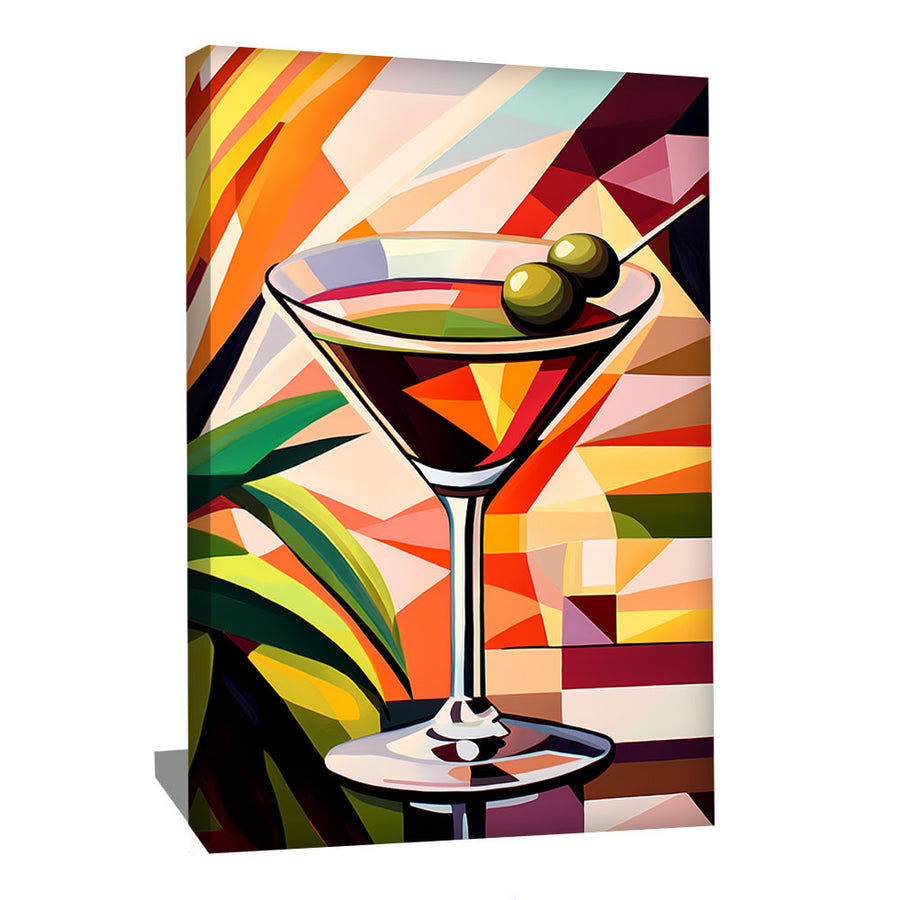
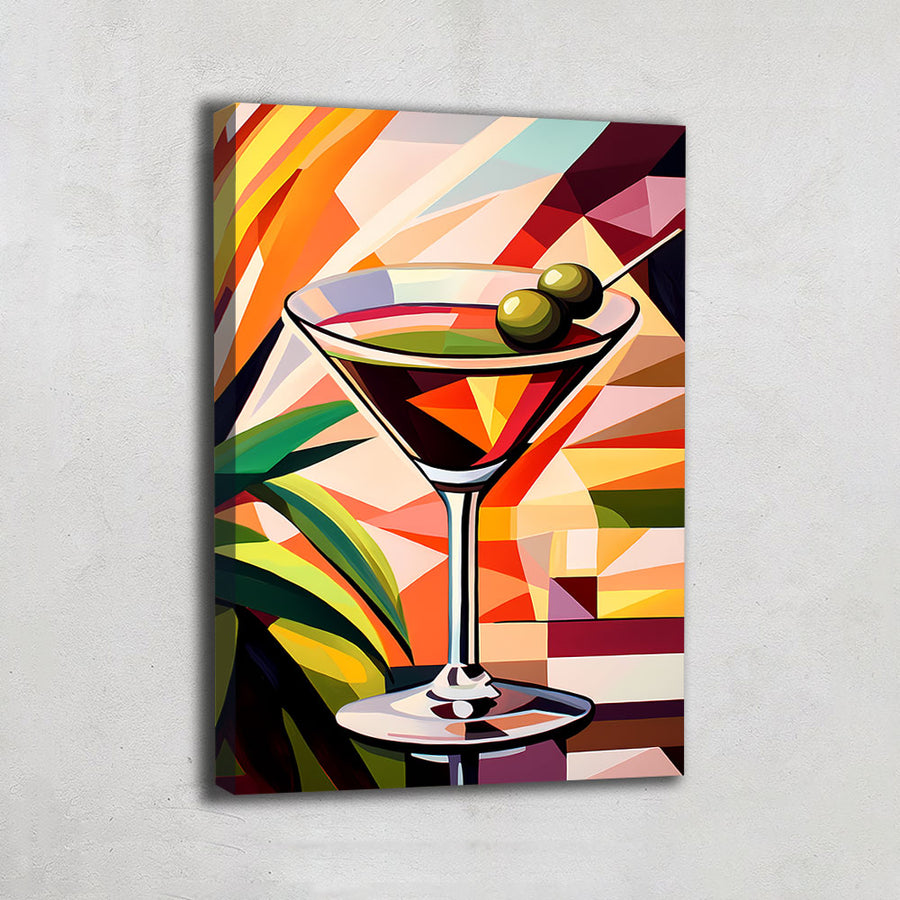
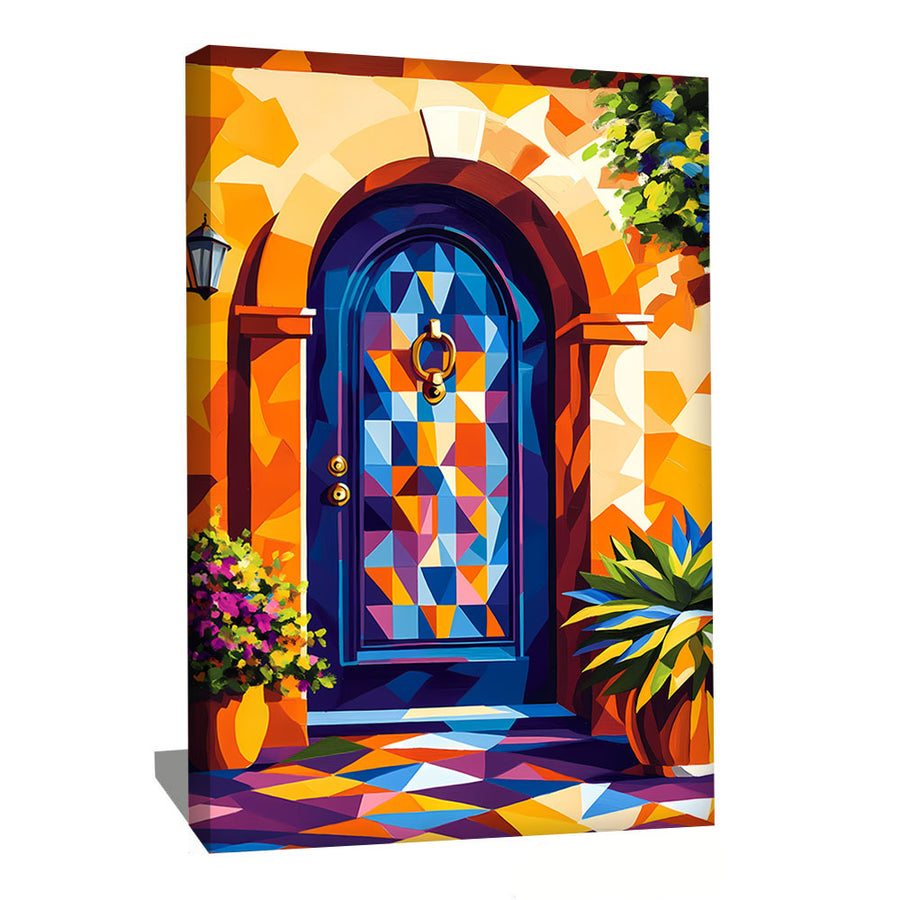
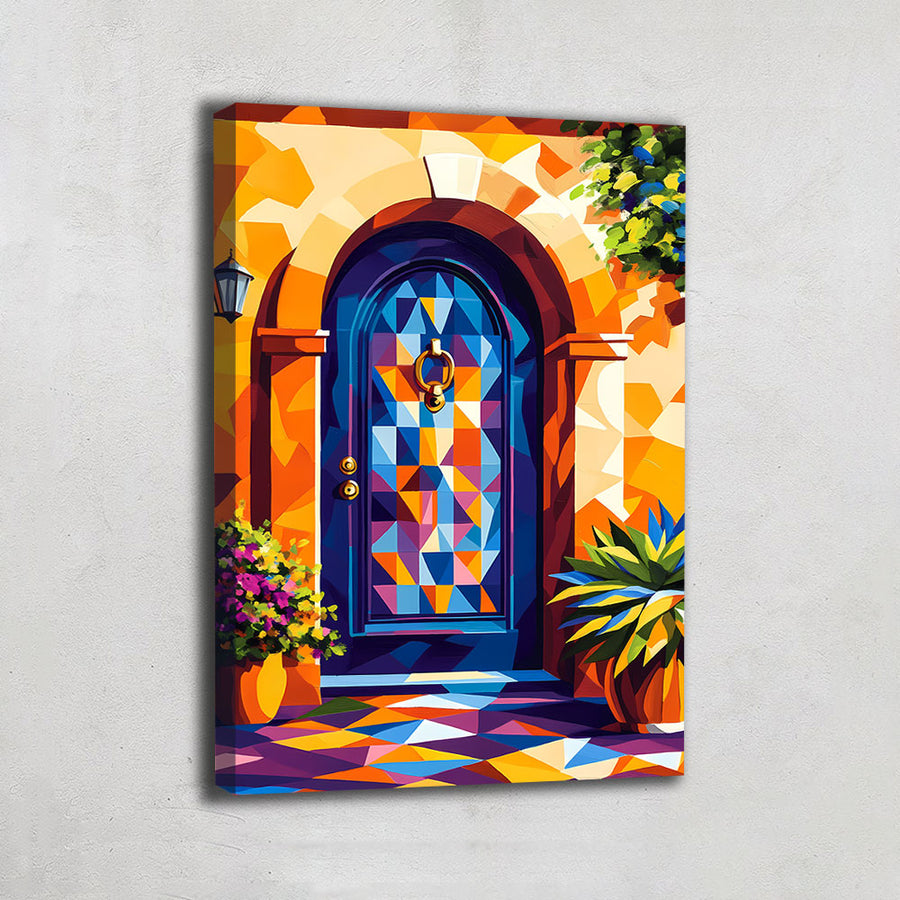





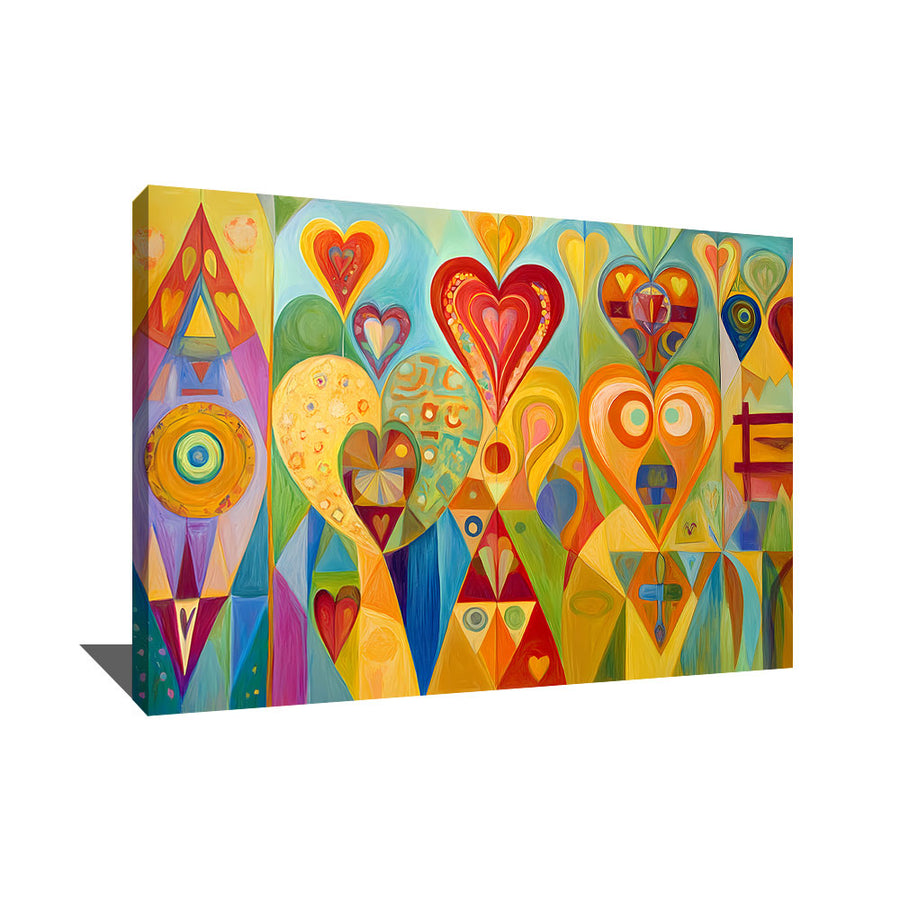
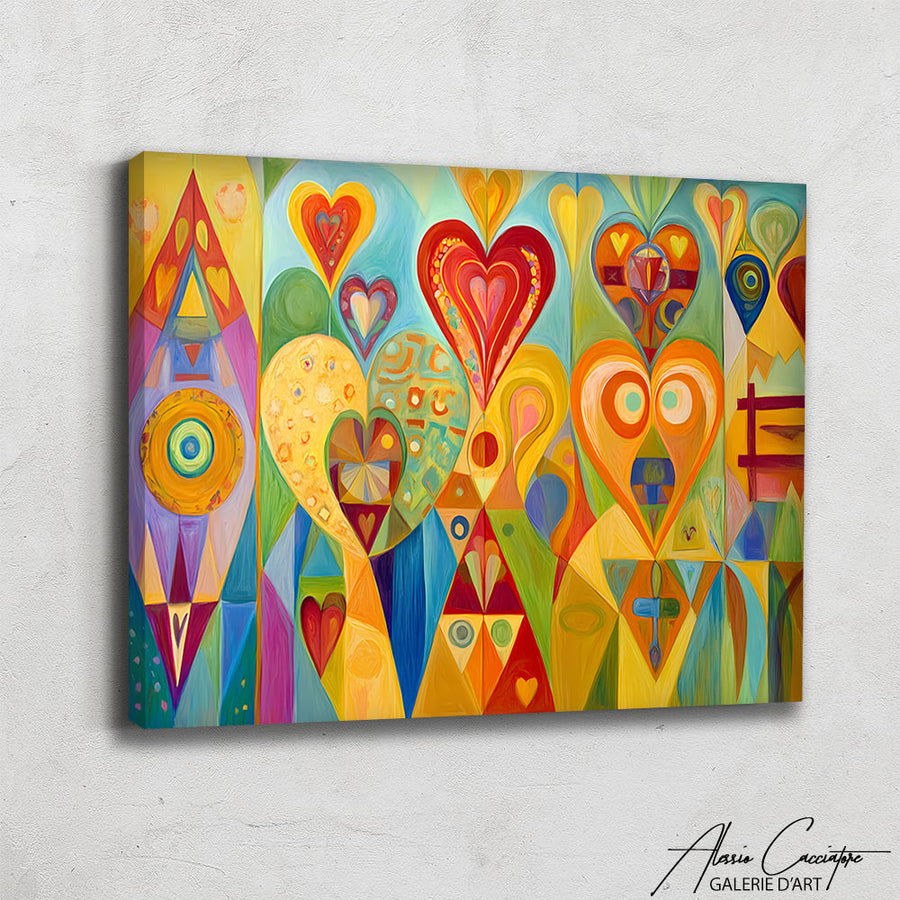


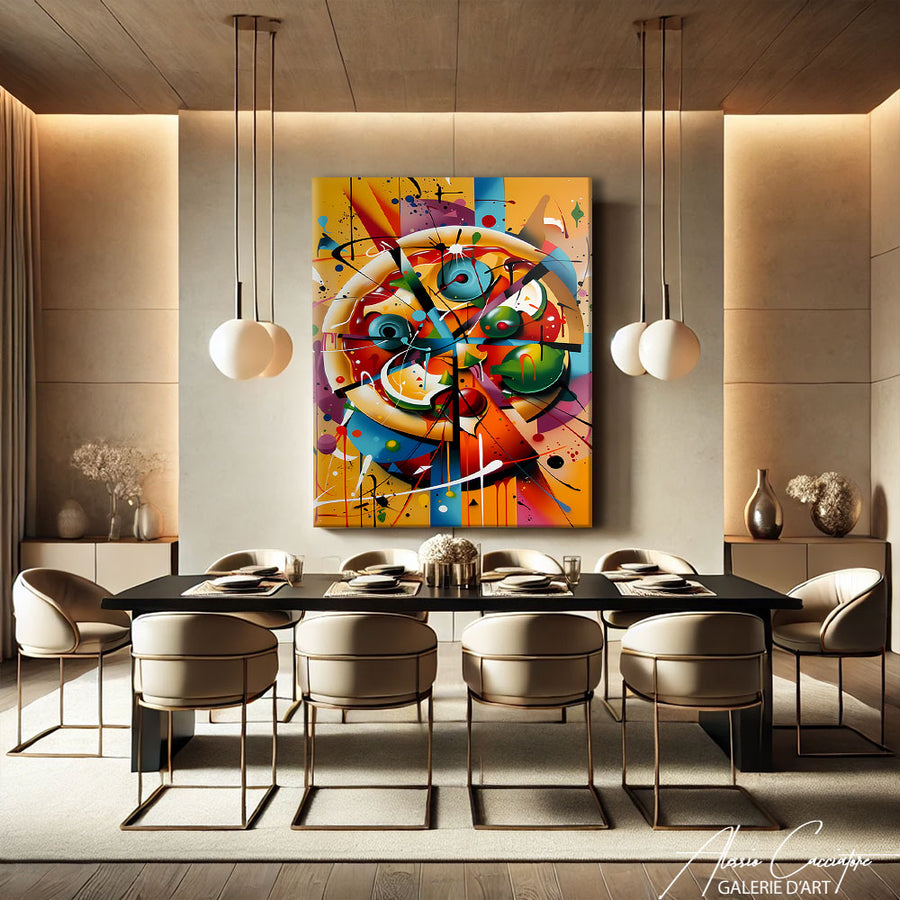
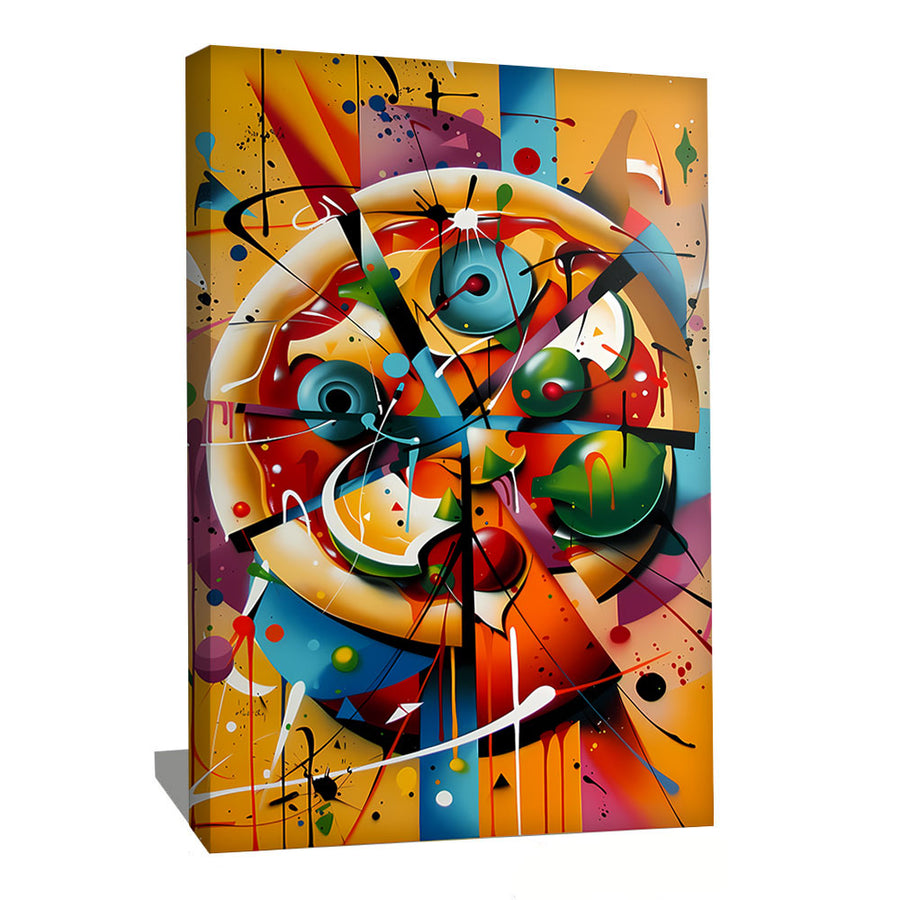


Chargement des œuvres suivantes…
Vous avez vu 20 œuvres sur 35


When Wassily Kandinsky published his essay Point and Line to Plane in 1926, he did something that seemed strange to his contemporaries: he proposed looking at art differently, starting not from the subject to be represented, but from the fundamental geometric elements themselves. The point, the line, the triangle, the square, the circle. According to him, these pure forms carry an emotional charge as strong as any landscape or portrait. A century later, he was right. Geometry has become one of the most powerful visual languages in contemporary decoration. Our geometric artworks are part of this direct lineage, translating for today's interiors this visual intelligence that revolutionized modern art.
Our gallery brings together a precise selection of geometric compositions printed on premium canvas and glossy plexiglass in our workshop in Germany. Colorful abstractions in the Bauhaus tradition, minimalist Scandinavian compositions in neutral tones, plays of flat colors inspired by Suprematism, but also stylized animals and faceted architecture: each artwork in the collection plays with these pure forms that structure the gaze and bring an immediately recognizable graphic elegance.
Geometric Art: A Century of Visual Revolution
The emergence of geometry as the main subject of Western art began in Moscow in 1915, when Kazimir Malevich exhibited his Black Square on a White Background. An absolute provocation at the time: a simple square painted on a canvas, presented as a major work of art. This foundational gesture opened the way to Suprematism and marked the beginning of all abstract geometric art of the 20th century. A few years later, in Amsterdam, Piet Mondrian developed an entirely new grammar, Neoplasticism: his famous compositions of black grids filled with flat red, yellow, and blue colors became one of the most copied images of the entire century.
In Weimar and then Dessau, the Bauhaus (1919-1933) systematized this approach into an entire school. Kandinsky, Paul Klee, László Moholy-Nagy, Josef Albers: all taught that geometric forms carry emotional and functional meaning, and that art should serve industrial design. This idea spread everywhere. In Paris, Sonia and Robert Delaunay developed Simultanism, where concentric circles of vibrant colors created almost a music for the eyes. In post-war New York, Bridget Riley and Victor Vasarely's Op Art pushed geometry to optical vertigo. In Stuttgart in the 1960s, Josef Albers published his Homages to the Square, a monumental series of more than 2,000 compositions built around this single form. This rich artistic lineage is precisely the ground from which our contemporary compositions draw their inspiration.
The Great Styles of Geometric Artworks in Our Gallery
Our collection covers the entire stylistic breadth of the subject. Here are the main categories you will find.
Pure Abstract Geometry: Flat Colors, Lines, Triangles
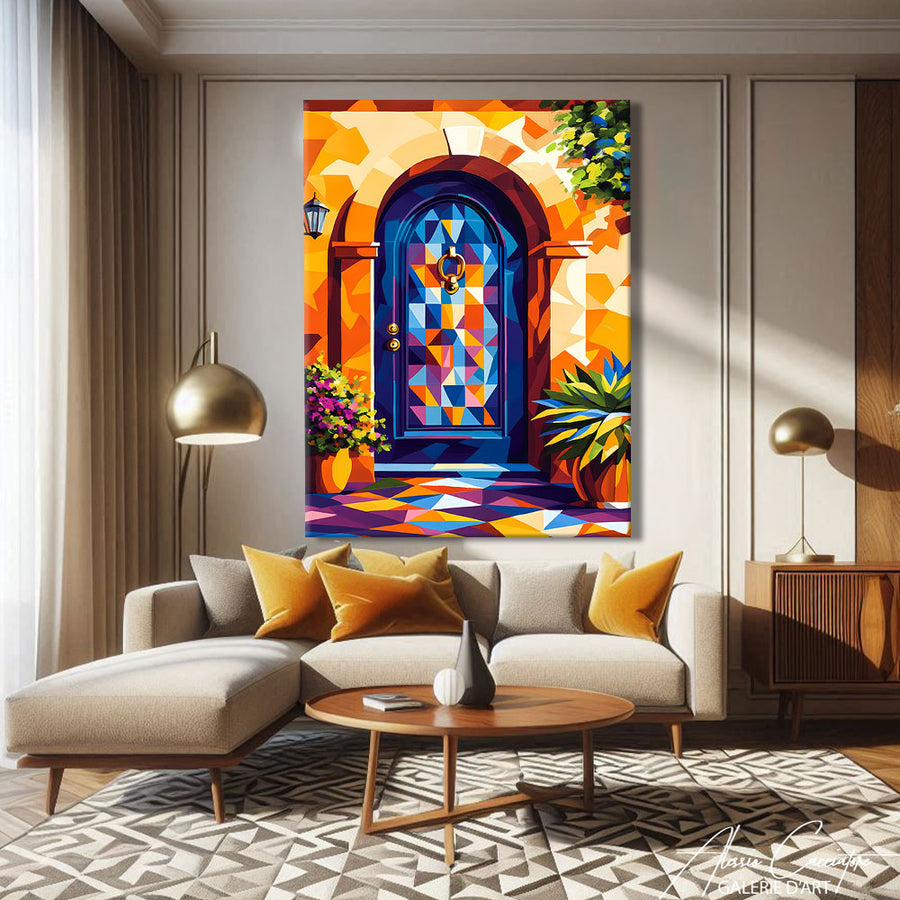
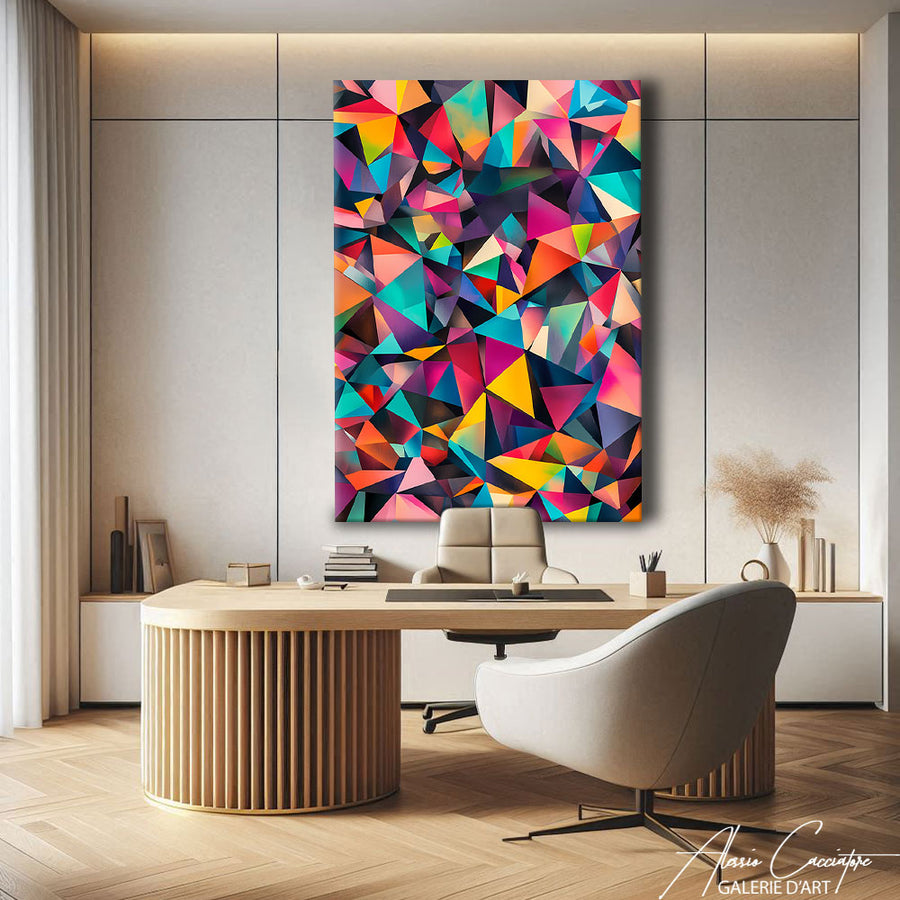
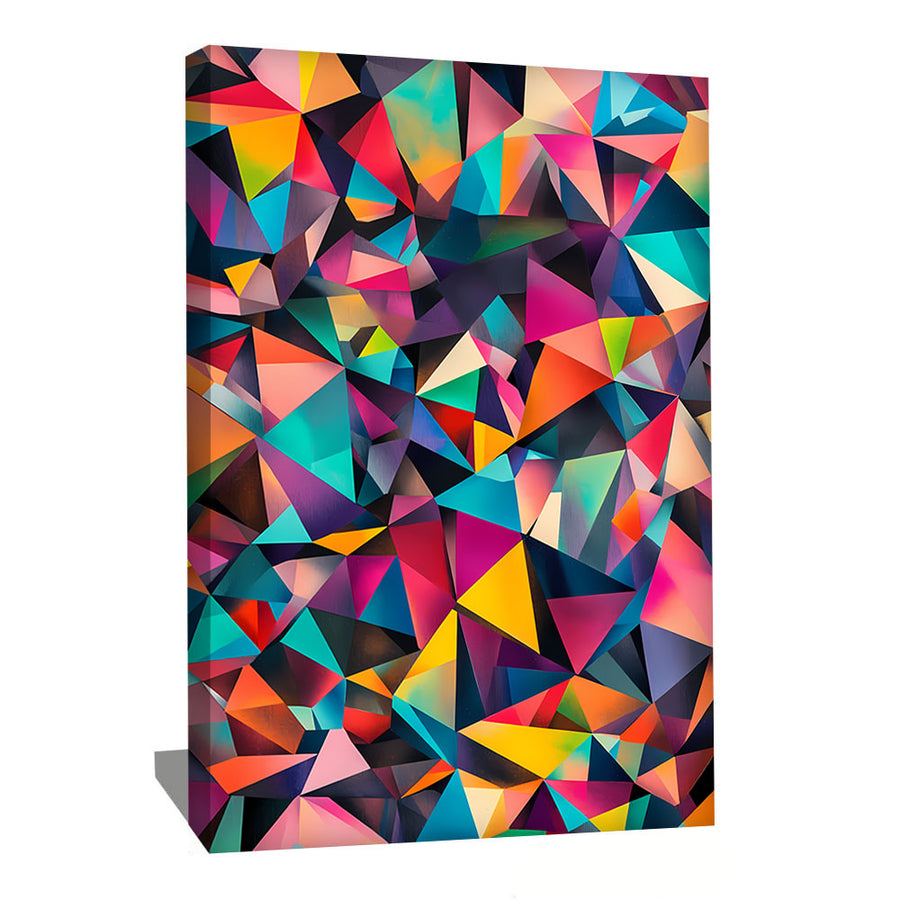
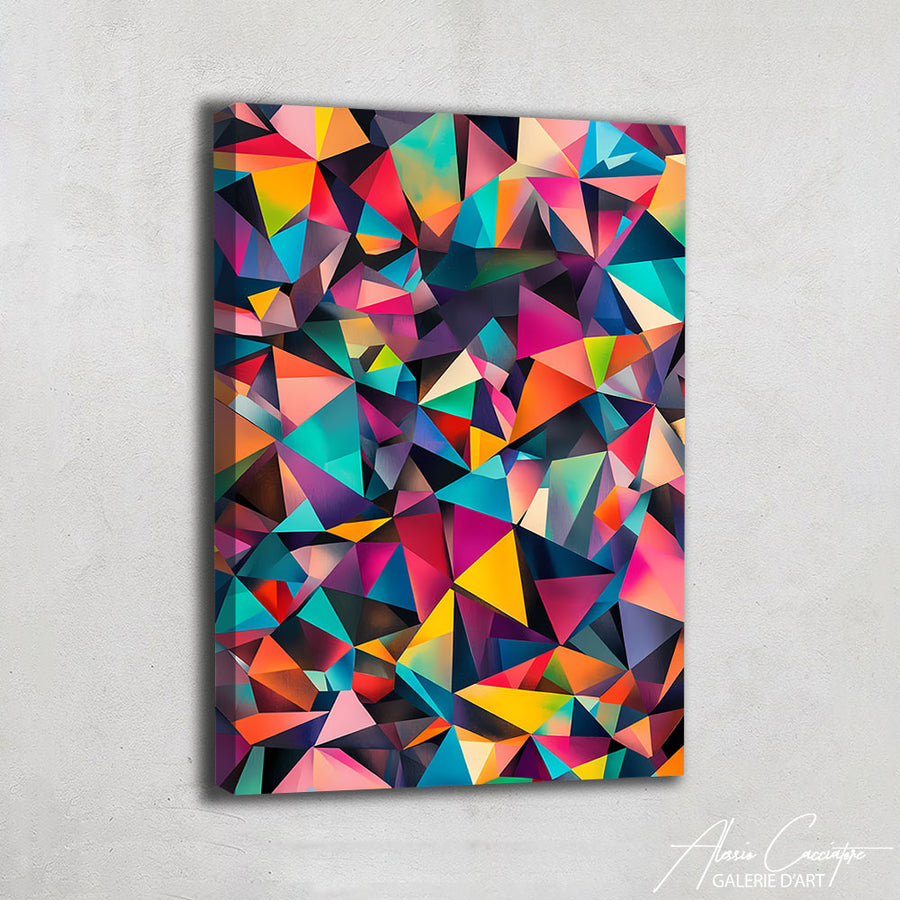
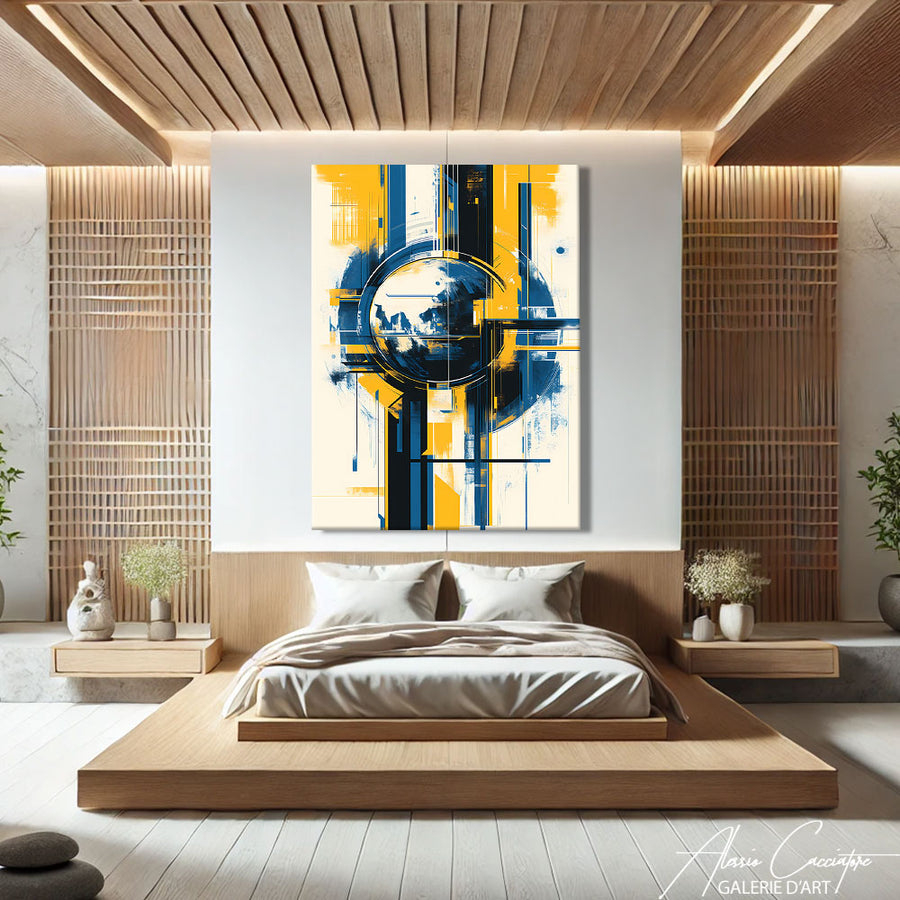
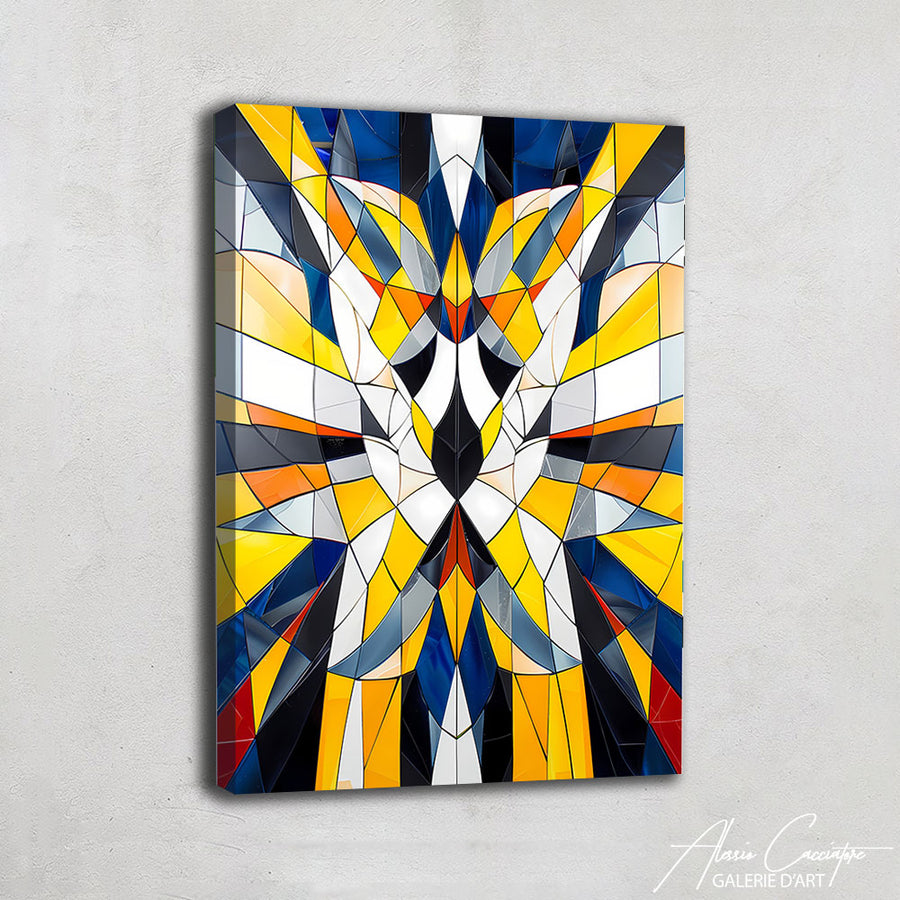
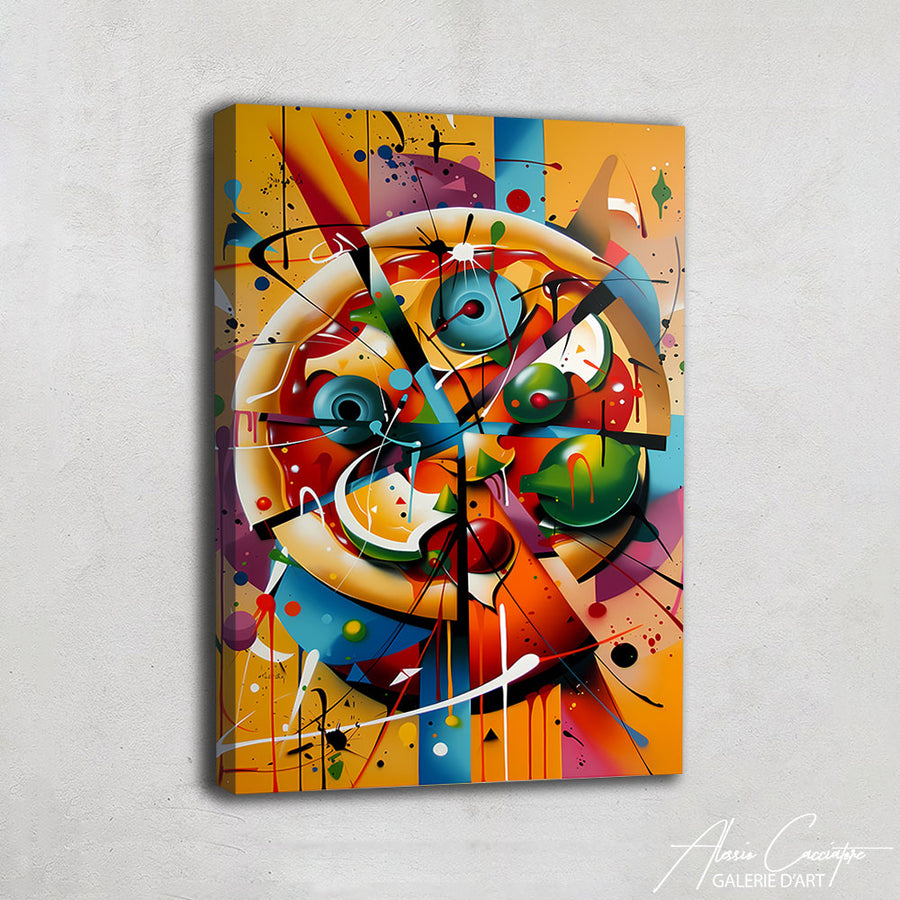
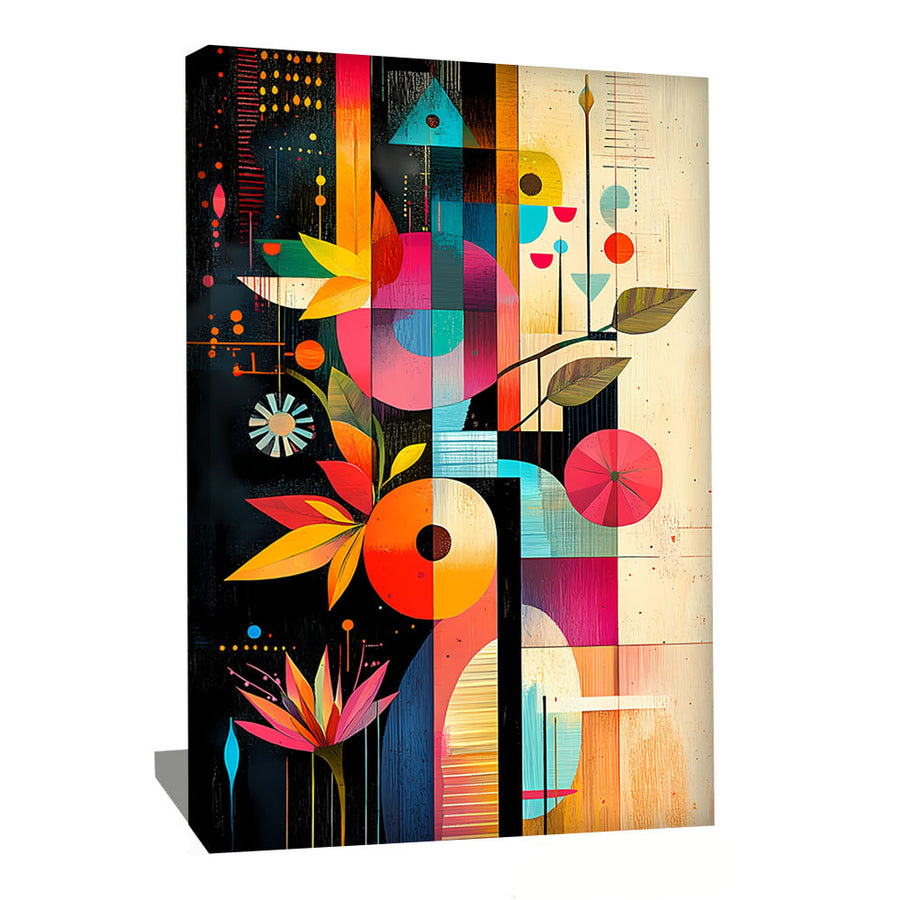
This is the historical core of the movement. Compositions where no figurative subject appears, only geometric forms interacting with each other: interlocking squares and rectangles, intersecting colored triangles, concentric circles, oblique lines that energize the space. The palette varies radically: from saturated multicolors à la Mondrian to neutral beige and taupe tones, as well as monochrome compositions in shades of gray. These artworks naturally find their place in contemporary design interiors, architectural offices, and spaces that embrace an intellectual and demanding decor.
Scandinavian and Minimalist Geometry
Inspired by the Nordic design school (Marimekko, IKEA Design, Iittala), these compositions apply geometric grammar to a resolutely soothing palette. Sandy beiges, off-whites, pearl grays, deep blacks, sometimes enhanced with a touch of color (terracotta, sage green, petroleum blue). The forms remain simple: isosceles triangles, perfect circles, straight lines. The effect is immediately calming and fits into almost all interiors. Particularly successful in adult bedrooms, cozy living rooms, and offices. To delve deeper into this aesthetic, see our Scandinavian collection.
Colorful Geometry: Controlled Chromatic Explosion
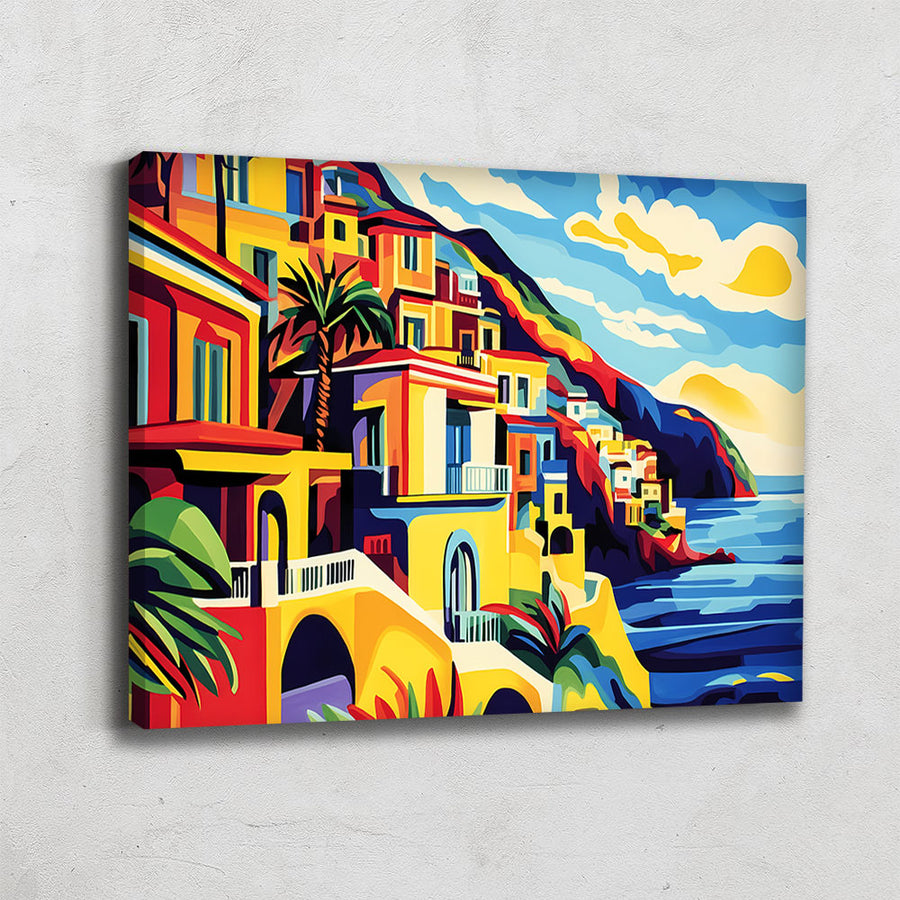
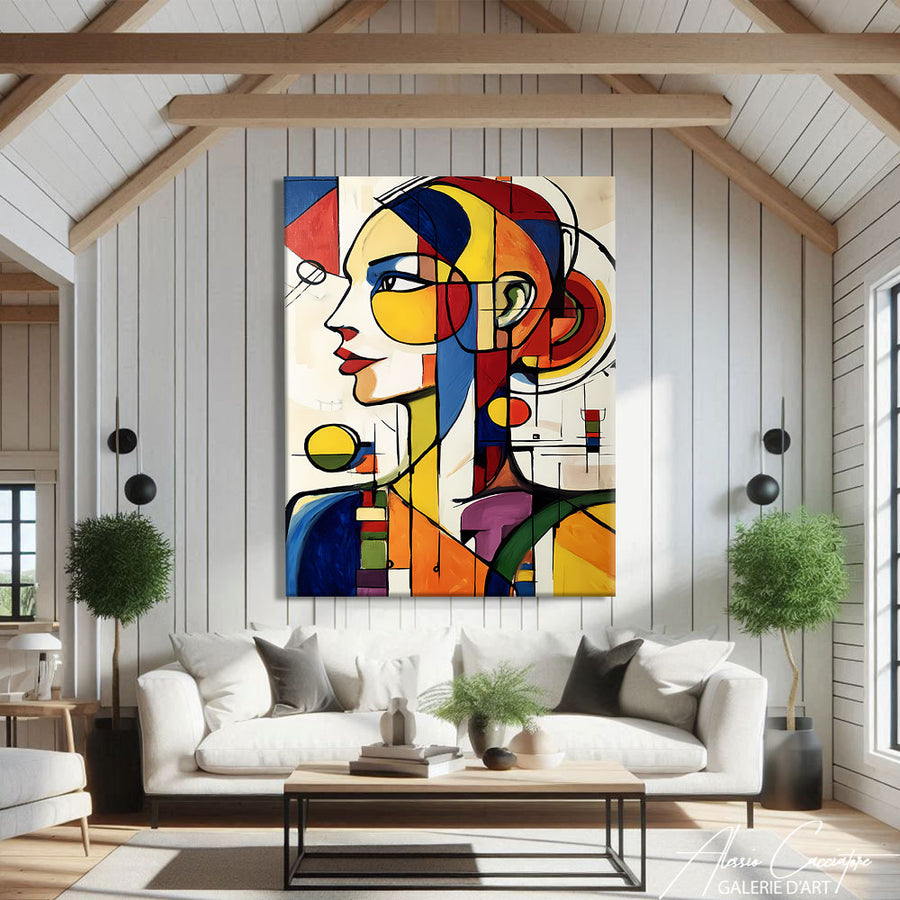
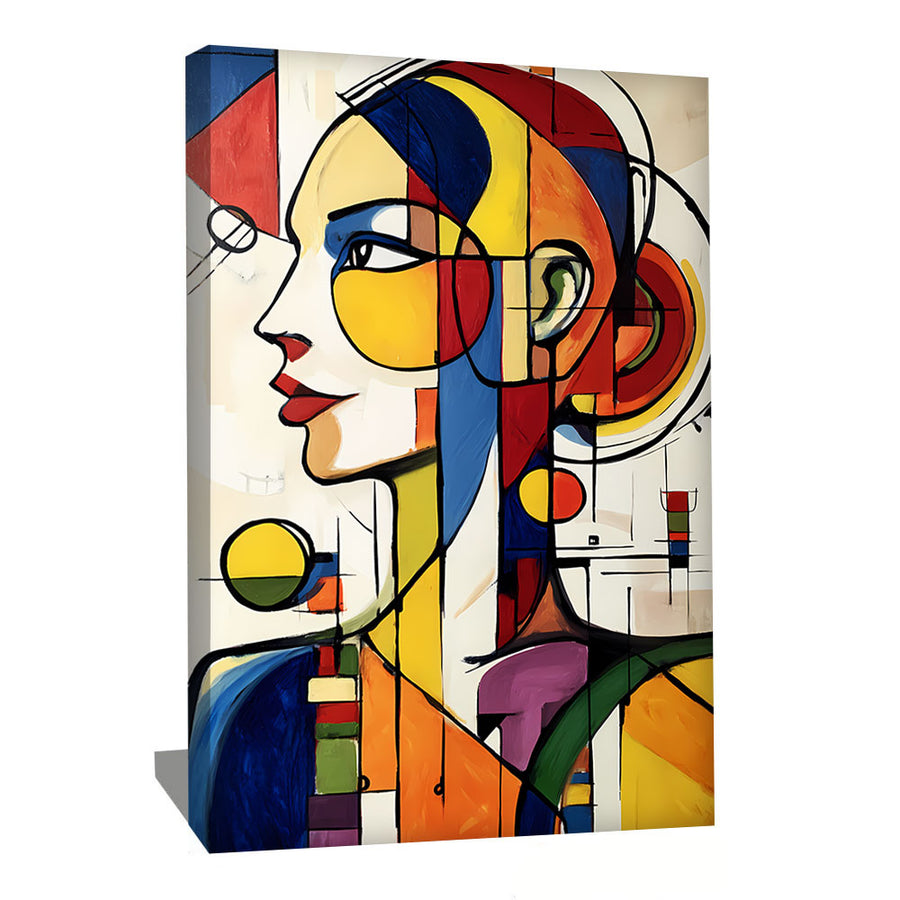
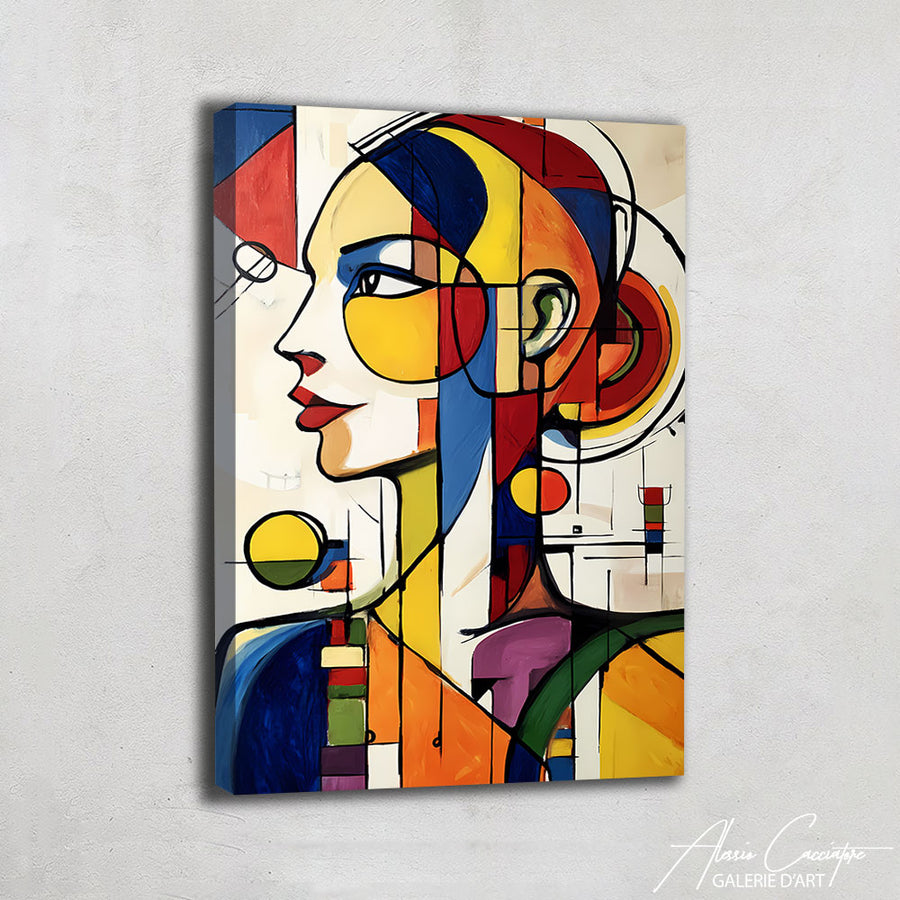
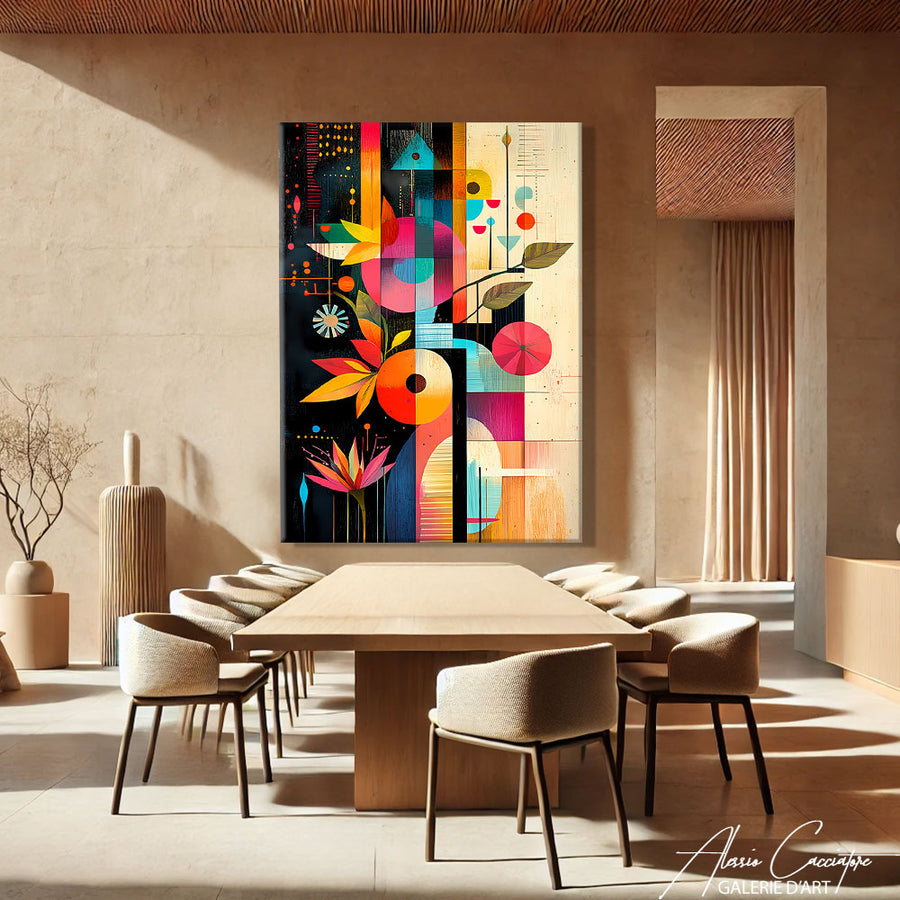
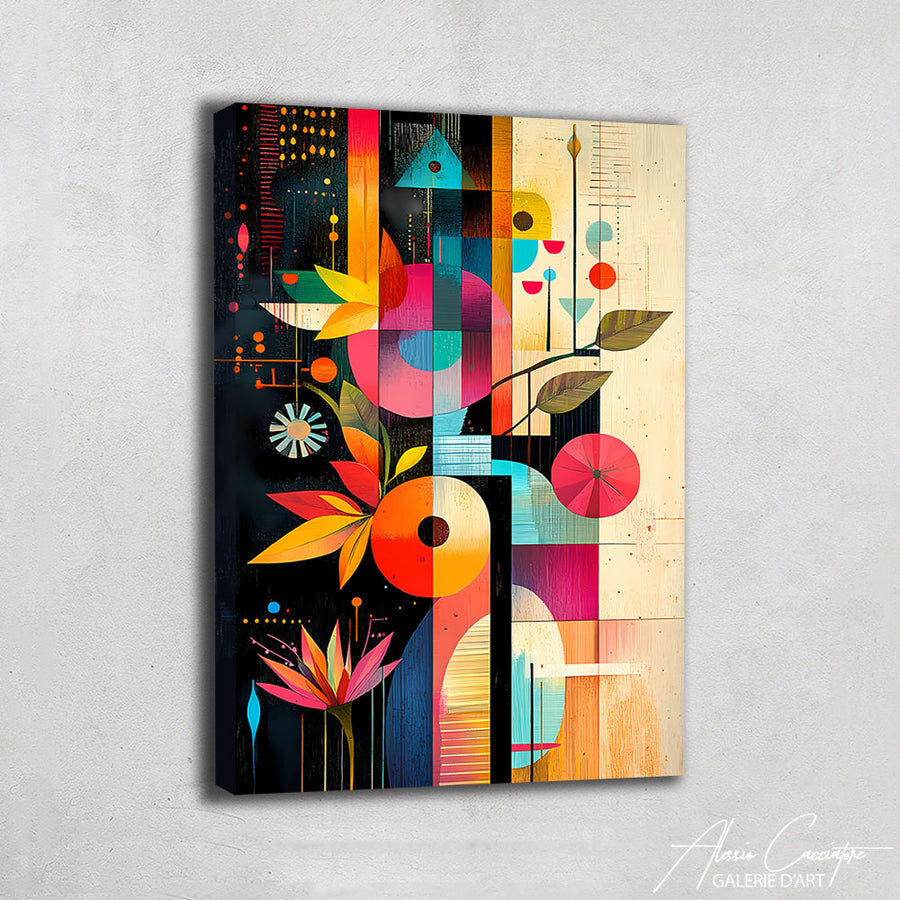
In contrast to the previous category, these compositions embrace saturated color in all its intensity. Neon flat colors, complementary contrasts (red and green, blue and orange, yellow and purple), bold juxtapositions inspired by the great works of Sonia Delaunay or Russian posters from the 1920s. These artworks immediately energize a room and work particularly well on a neutral white wall where they can breathe. Ideal for lively interiors, creative offices, teenage bedrooms, and leisure spaces.
Geometric Animals: Faceted Fauna
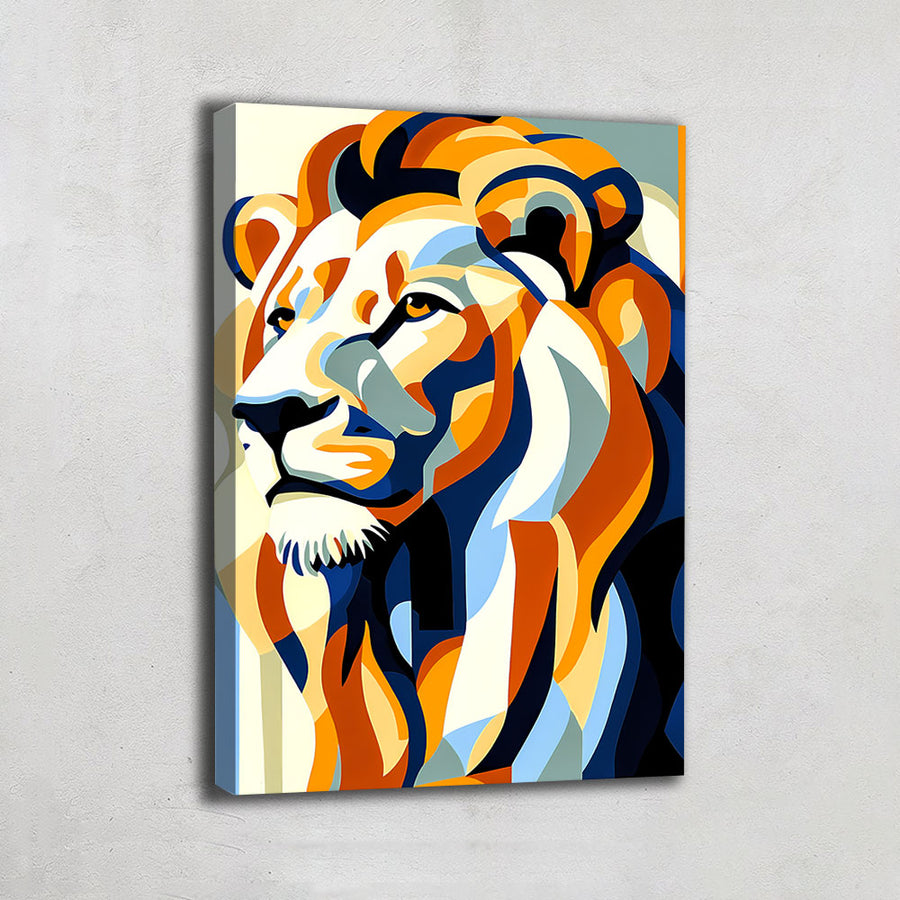
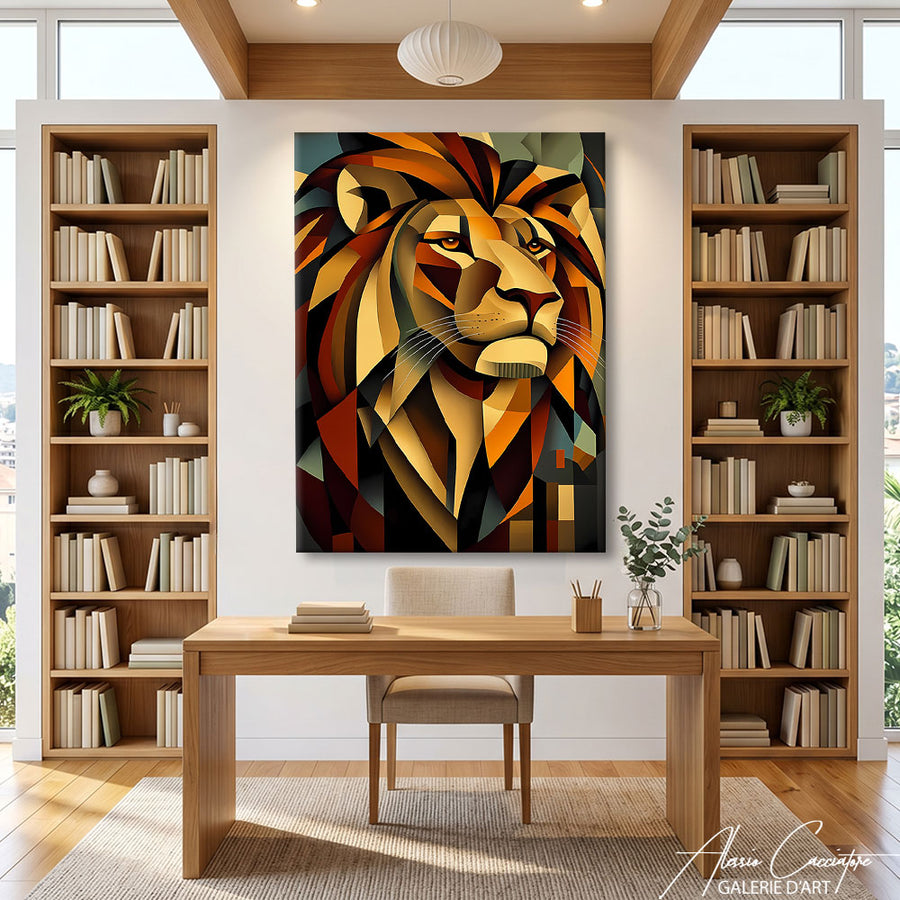
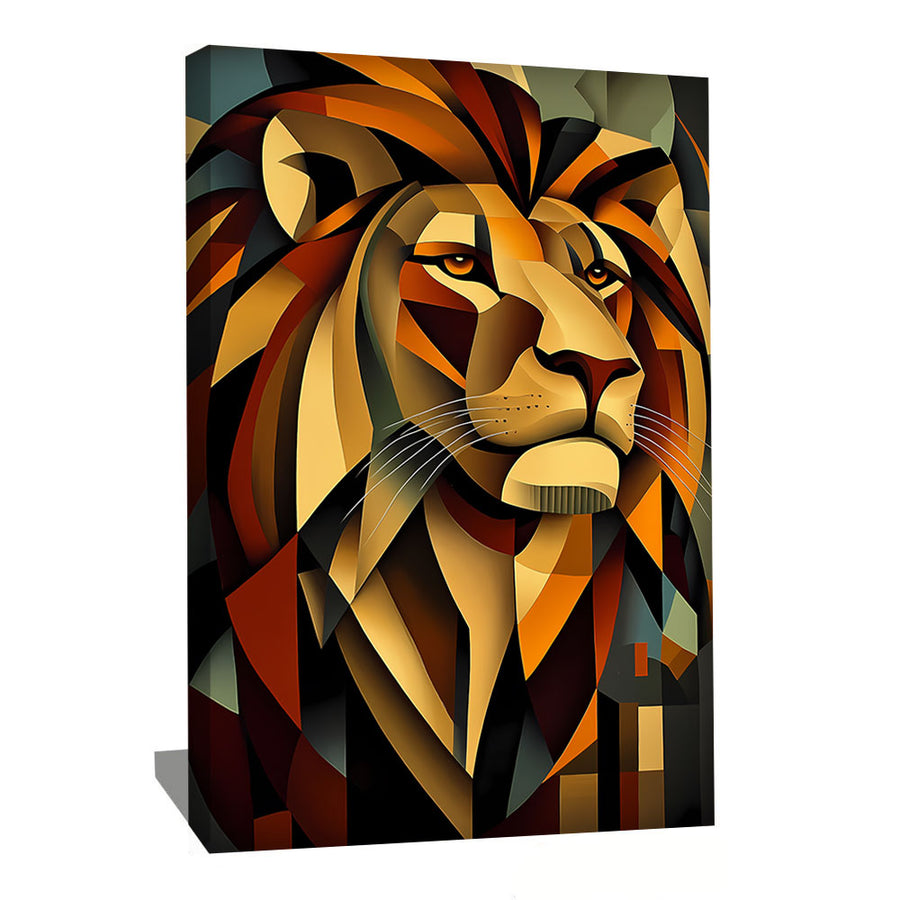
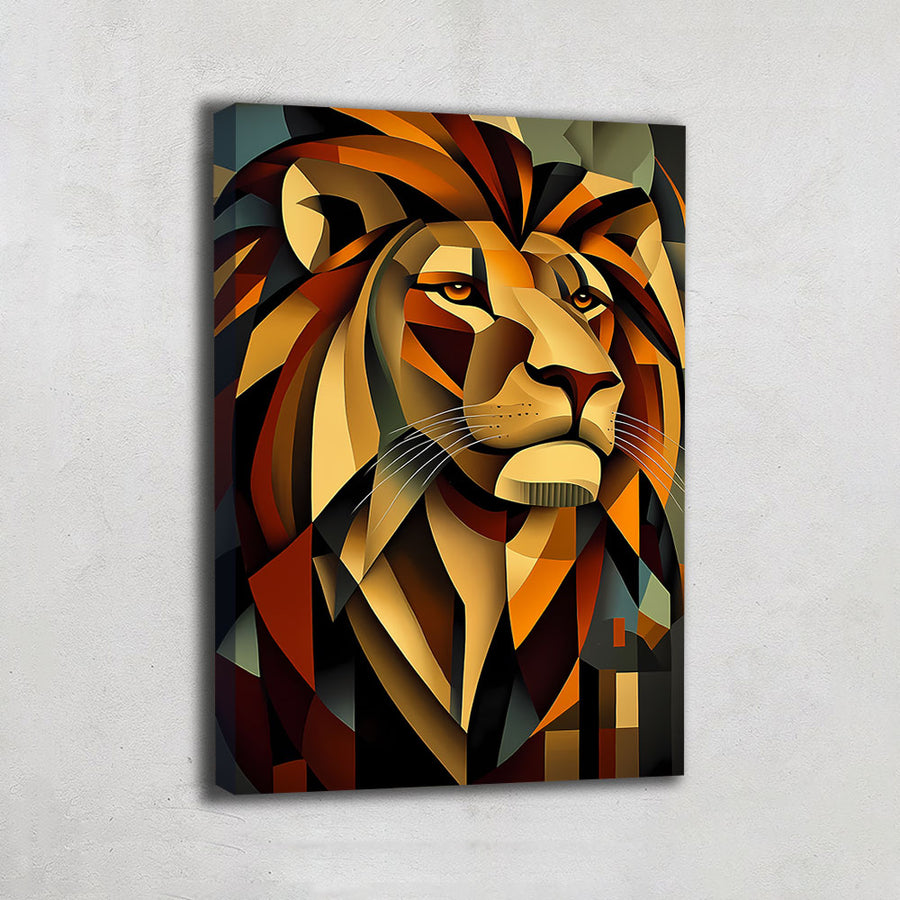
A particularly rich category in our collection: compositions that apply geometric language to animal subjects. A stylized lion in juxtaposed triangles, a deer composed of angular facets, a wolf in polygonal flat colors, a horse reduced to essential lines, a bird with geometric wings. This approach, inherited from contemporary design's low poly art, transforms the animal into a pure graphic construction. These artworks are particularly suitable for modern offices, teenage bedrooms, and design living rooms.
Geometric and Urban Architecture
Modern cities, with their skyscrapers, bridges, and urban perspectives, lend themselves admirably to geometric treatment. Skylines reduced to their essential lines, checkerboard facades of colored flat colors, forced perspectives on flat-colored buildings, stylized Art Deco architecture. Chicago, the birthplace of the modern skyscraper, is particularly represented in this category. These compositions evoke both architectural rigor and urban poetry.
Sacred Geometry: Spiritual Motifs and Mandalas
Beyond modern Western geometry, there is a millennial tradition of sacred geometry that spans all great civilizations. Tibetan mandalas, motifs from Islamic art with its famous geometric arabesques, the flower of life and spiritual geometry, Gothic rose windows. These compositions, rich in symbolism, blend admirably into meditation spaces, yoga corners, and chic ethnic-inspired living rooms. For lovers of geometric Islamic art, see our Arabic collection.
Art Deco Compositions: Luxurious Geometry of the Roaring Twenties
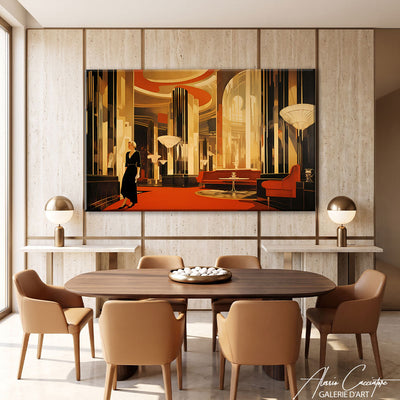
Art Deco of the 1920s-1930s pushed geometry towards ornamental elegance. Stylized fans, radiant suns in golden triangles, zigzag motifs inspired by pre-Columbian and Egyptian civilizations, geometrised palmettes and lotus. The palette leans towards golds, deep blacks, burgundies, sometimes enhanced with emerald green. These luxurious compositions are suitable for formal living rooms, reception dining rooms, and spaces that embrace sophisticated decor. See our Art Deco collection.
Op Art and Optical Illusions
For lovers of visual challenges, Op Art (Op for optical) plays with the very perception of sight. Distorted checkerboards that create a depth effect, parallel lines that seem to curve, gradients that produce a vibrating effect, concentric patterns that hypnotize. These compositions, inherited from the work of Vasarely and Bridget Riley, are suitable for bold design interiors and offices that want to stimulate visual creativity.
Symbolism and Imagery: What Your Choice Says
Geometric art does not have as codified a symbolic reading as figurative iconography, but it nevertheless evokes a specific imaginary that deserves to be unfolded.
Order, Rigor, Mastery
Geometry immediately evokes order, thoughtful composition, and control of space. Hanging a geometric artwork at home often reflects a taste for structure, for things in their proper place, for the elegance of a conscious visual decision. Many of our architect, designer, engineer, and scientist clients are naturally attracted to this aesthetic that resonates with their own relationship to the world.
Timeless Modernity

Envoyez une photo de votre mur : nous vous aidons à choisir l'œuvre et la taille, gratuitement.
Fabriqué en Allemagne · Paiement sécurisé · 30 jours pour changer d'avis
Animaux

Villes & cultures
Styles
 Styles
Spiritualité
Nature & paysages
 Nature & paysages
Portraits
- Choosing a selection results in a full page refresh.
- Opens in a new window.
- Opens external website.
- Opens external website in a new window.