
Religious Painting: Our Spiritual Works | Alessio Cacciatore

Religious Painting
Des oeuvres en édition limitée pensées par l'artiste pour illuminer votre intérieur


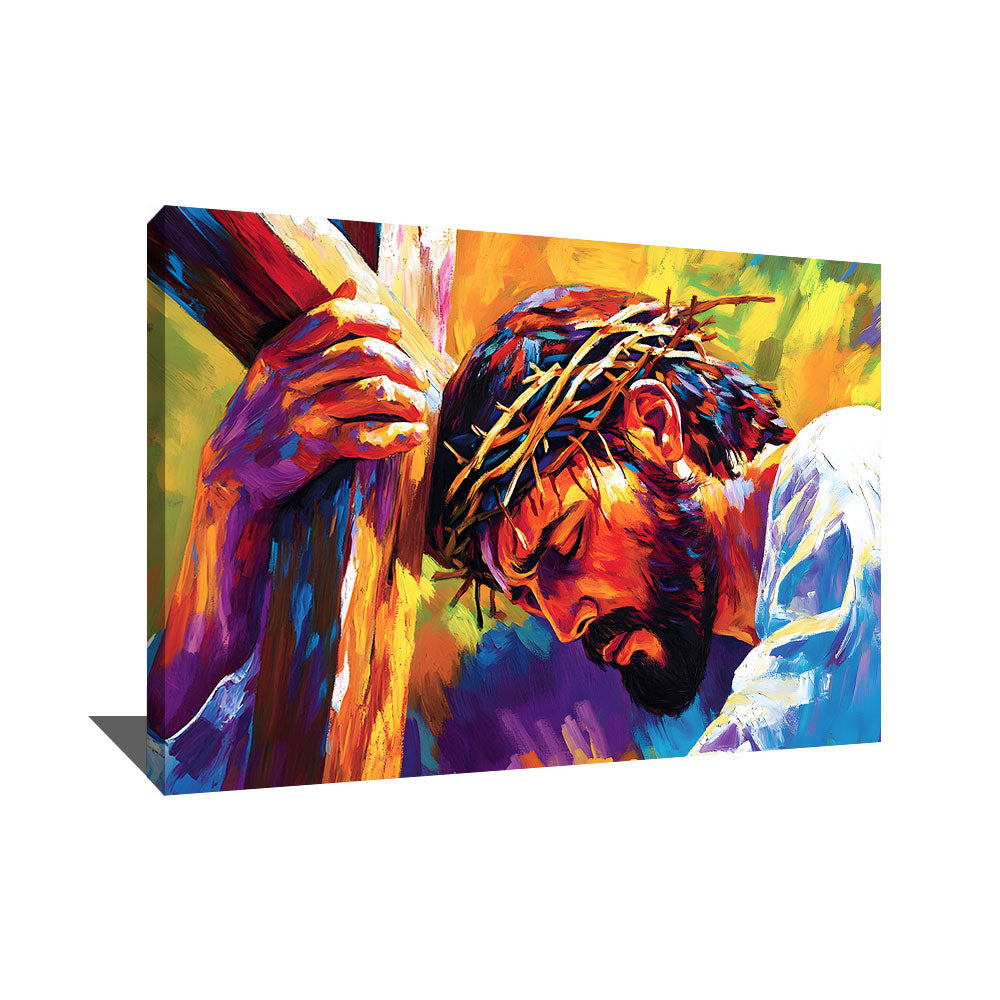
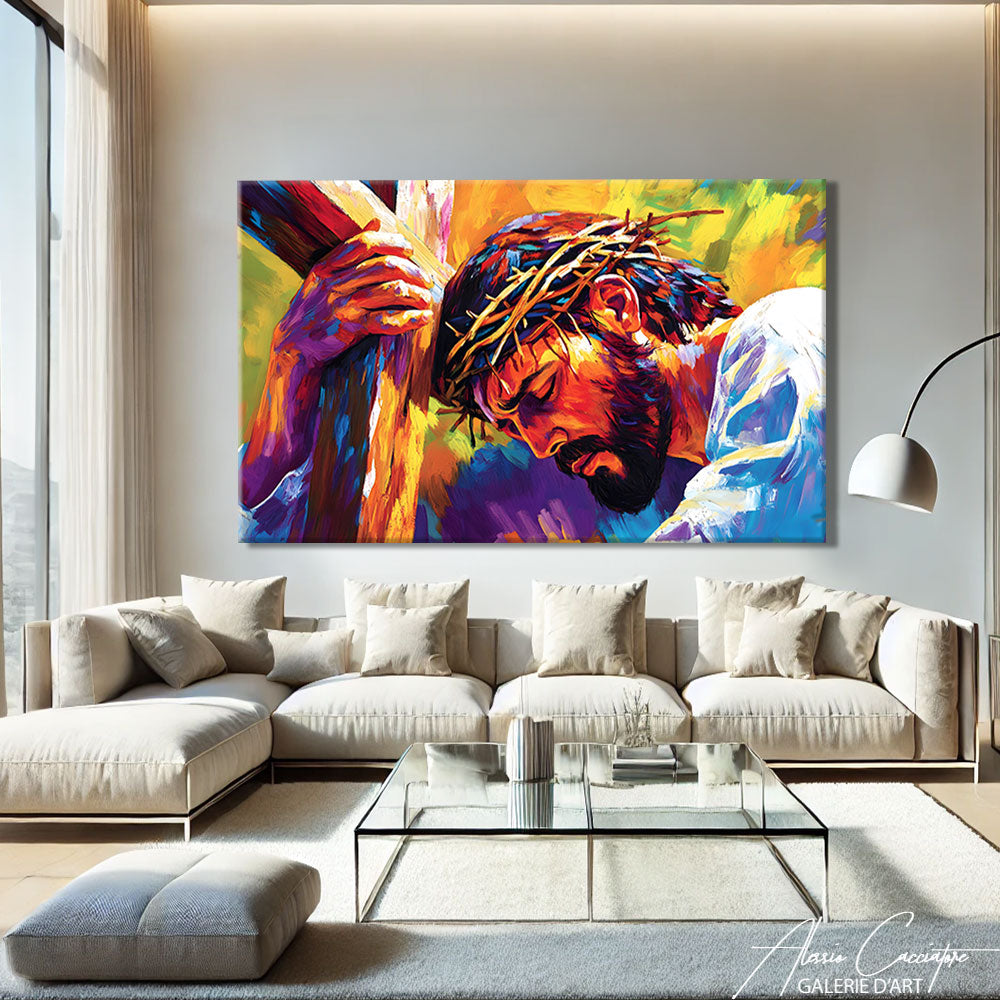
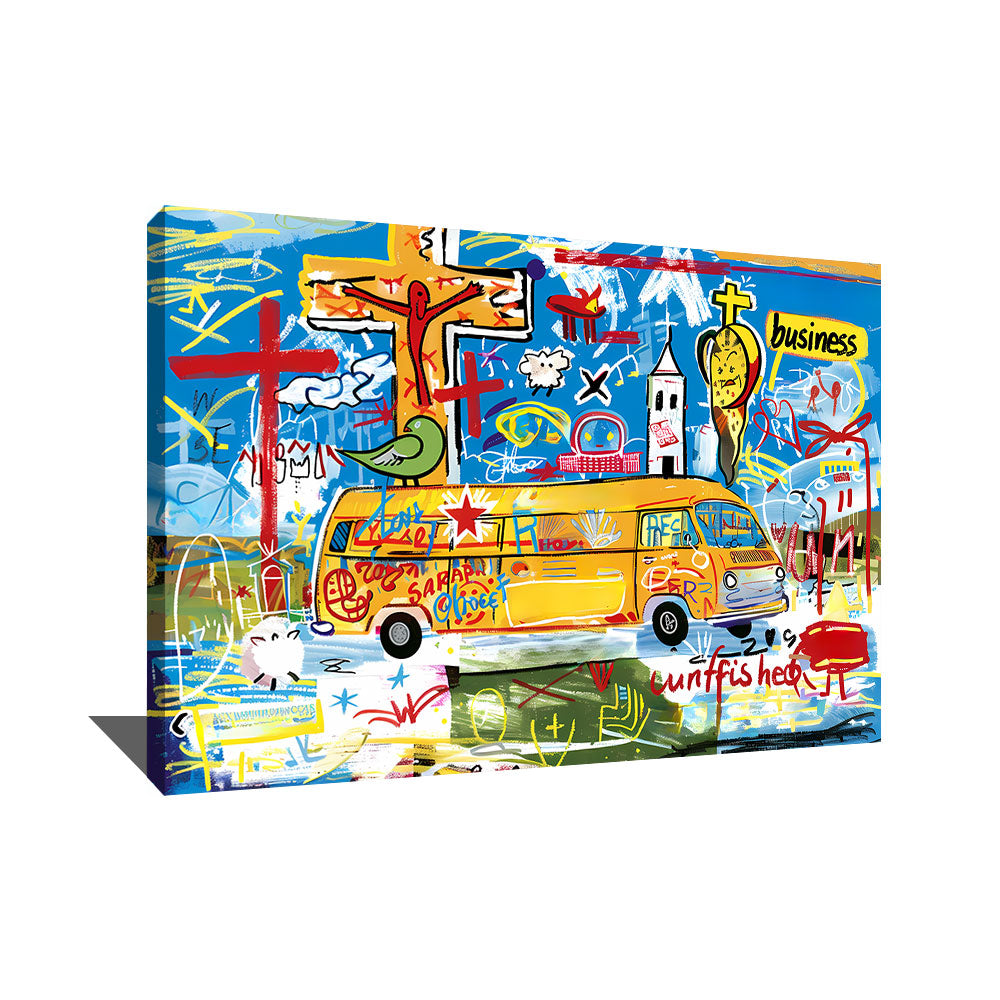
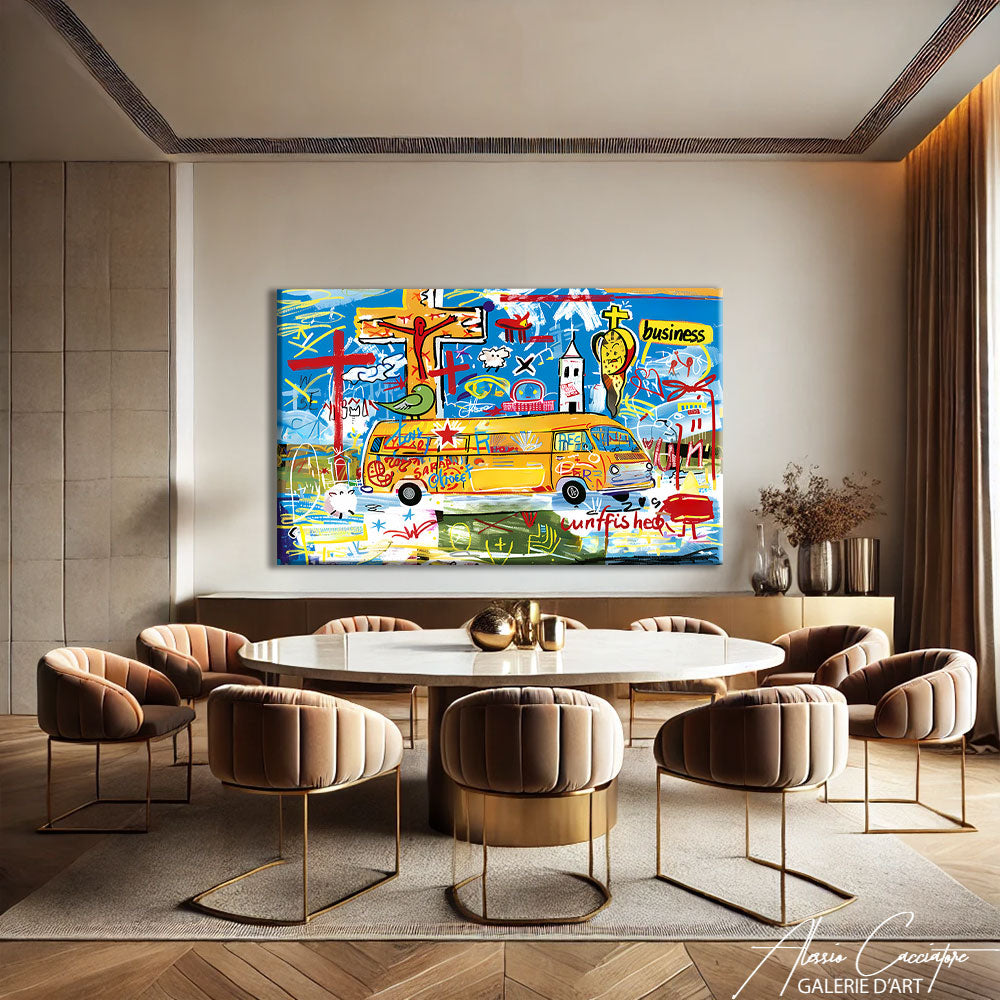


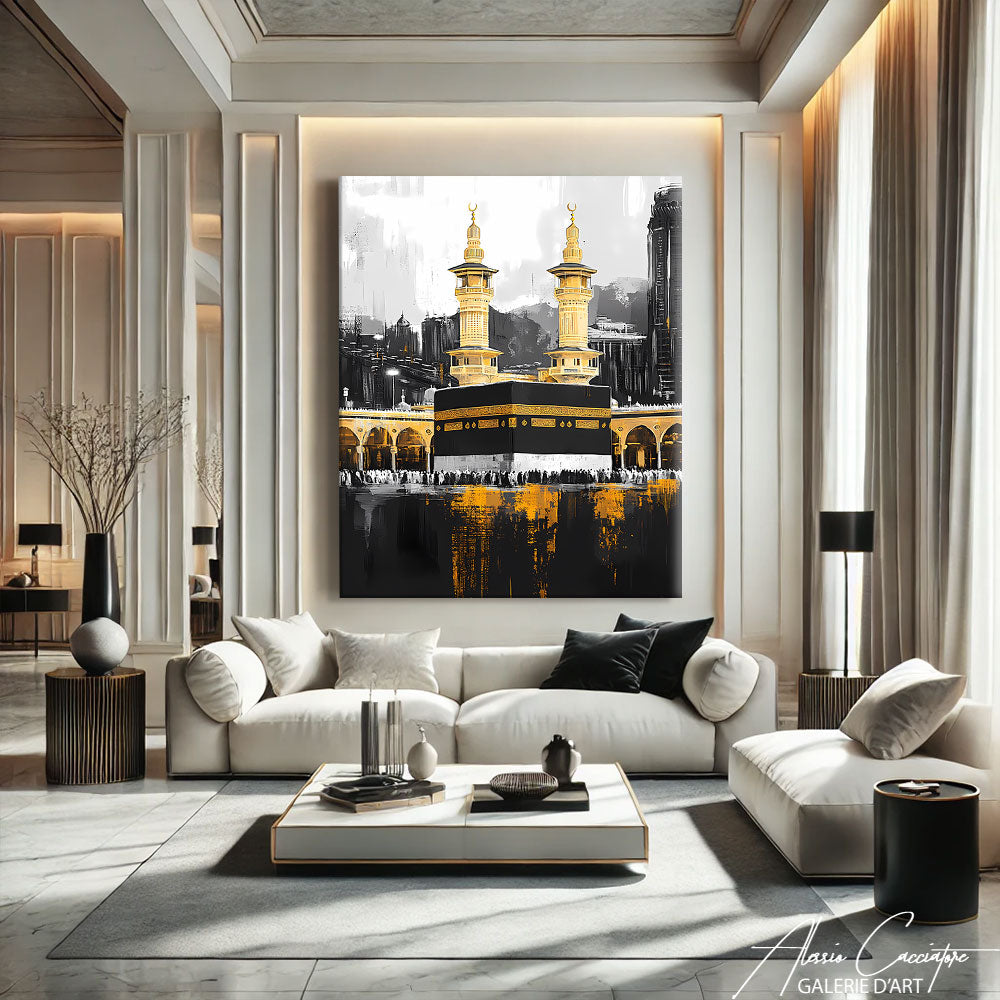
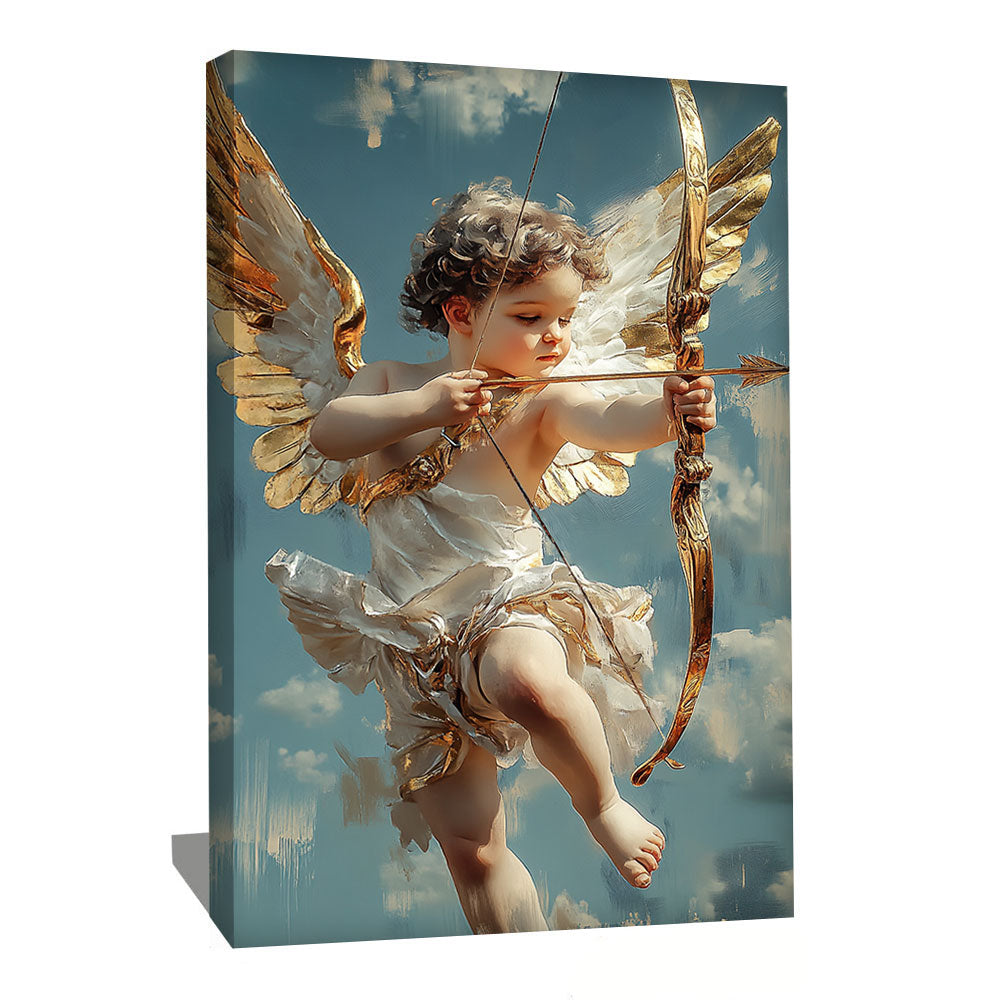
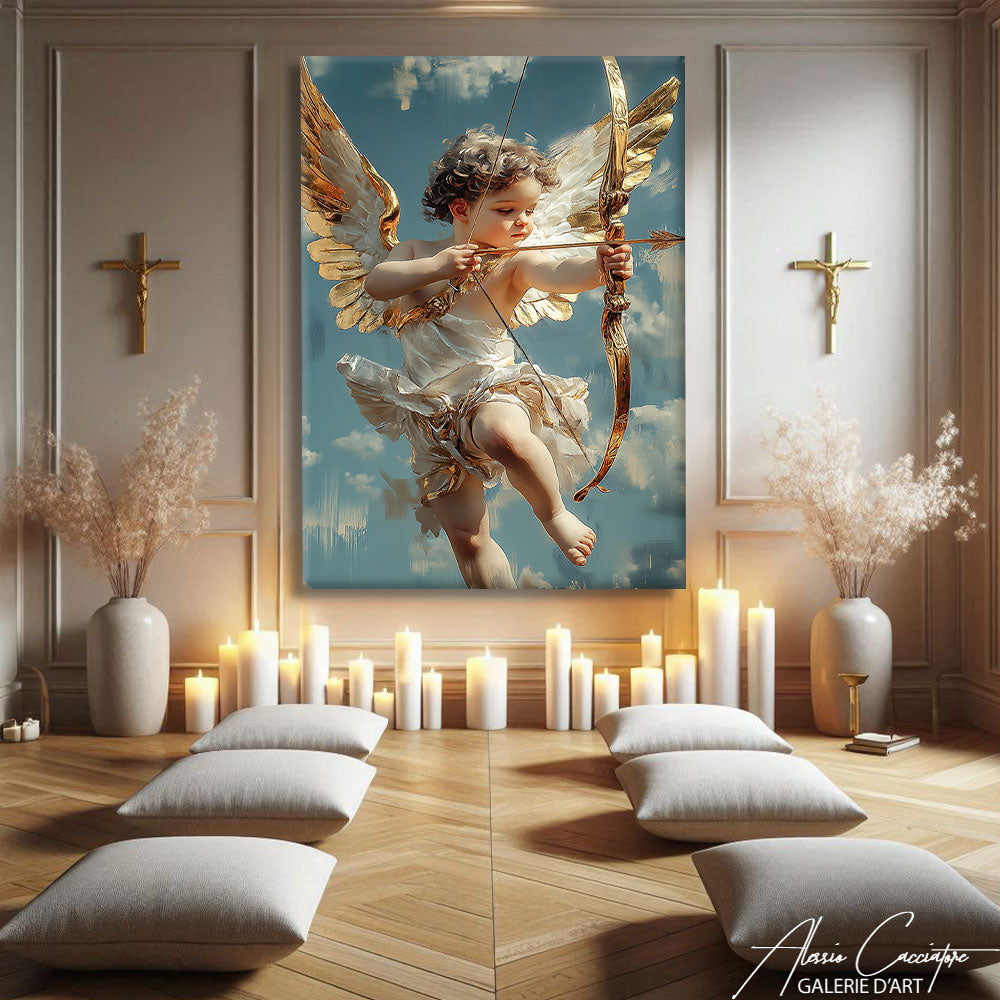
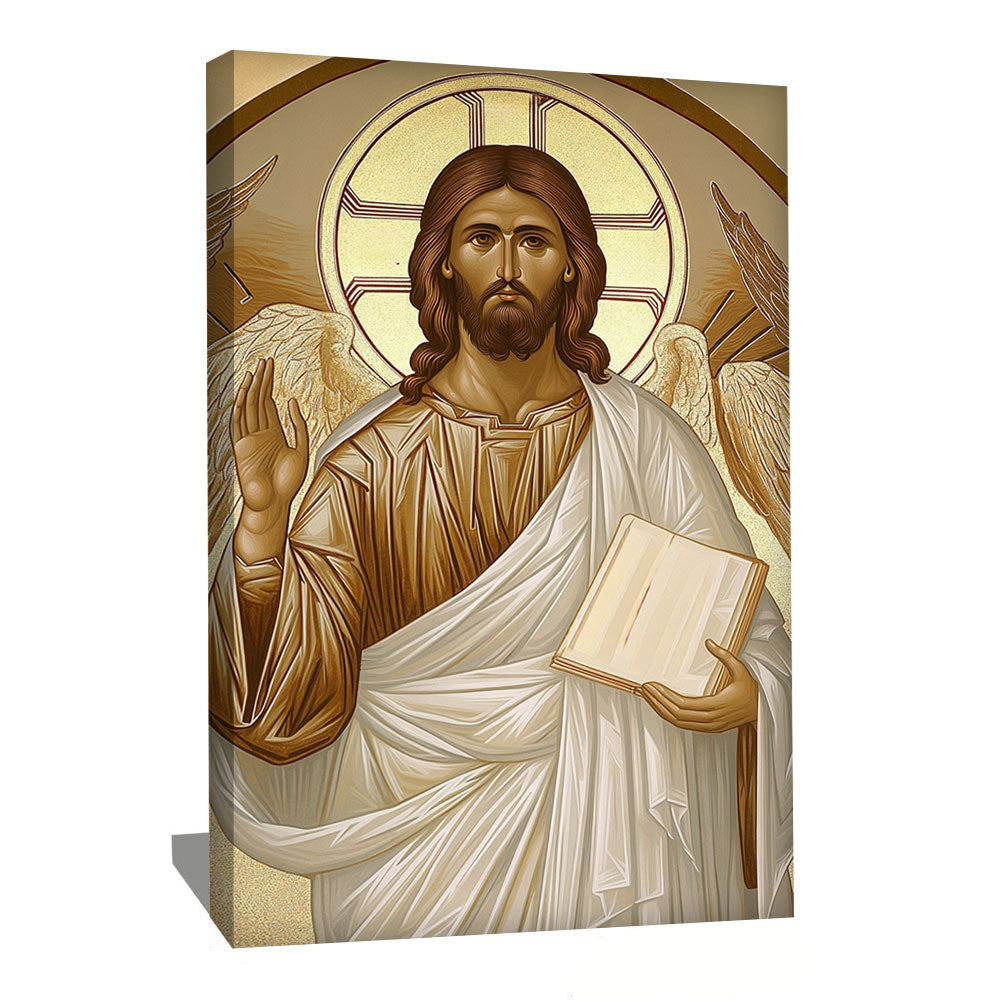
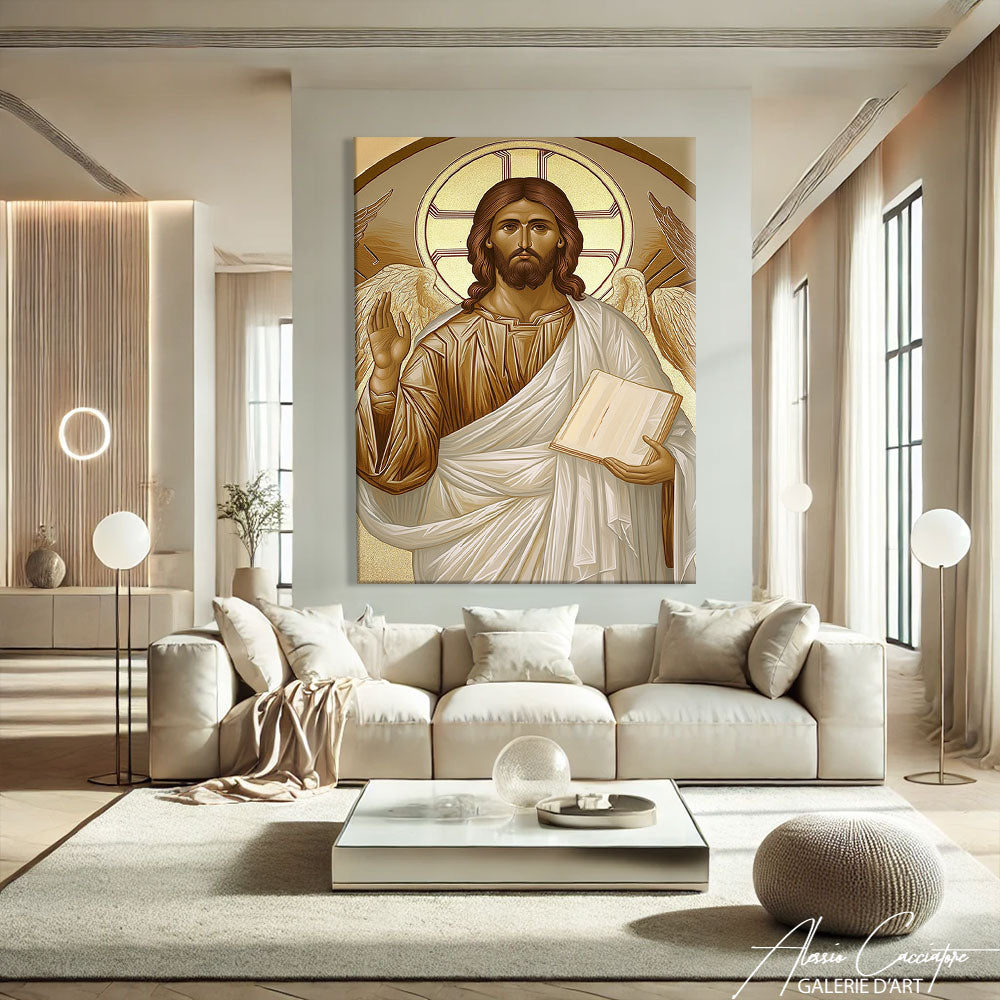


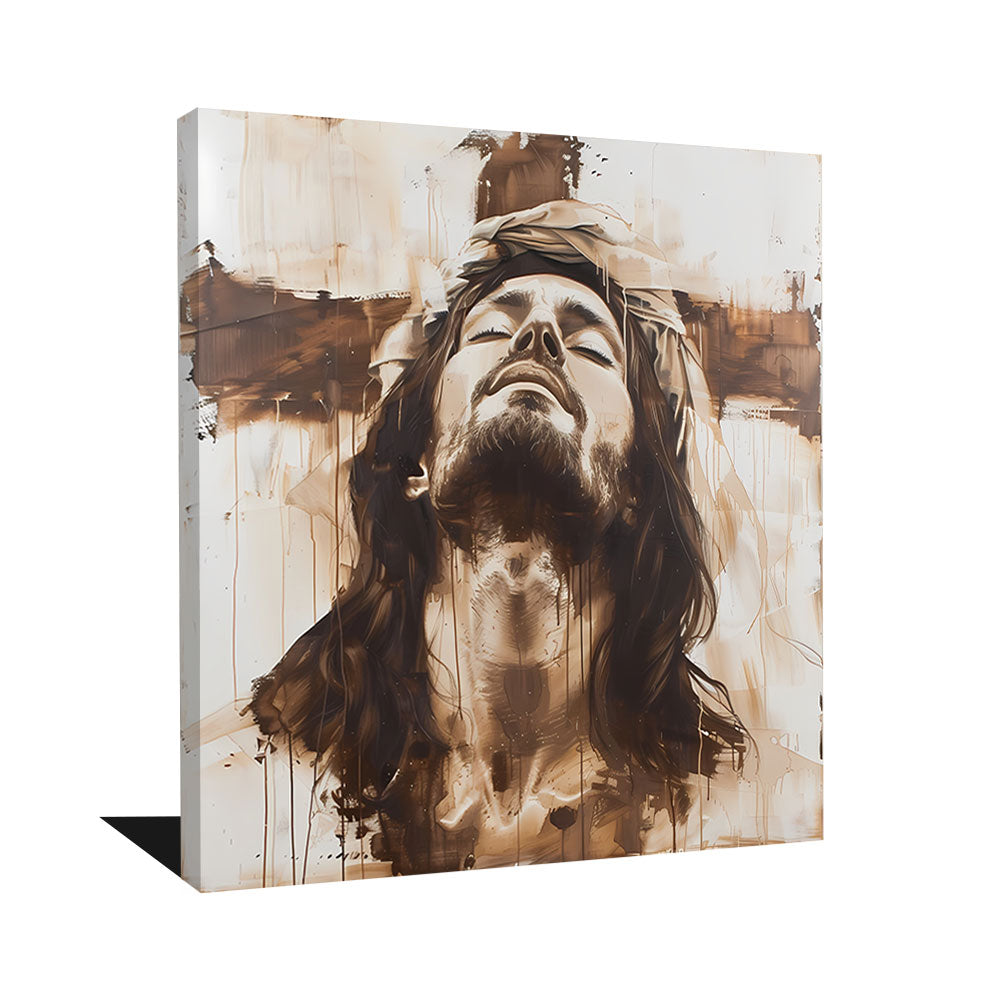
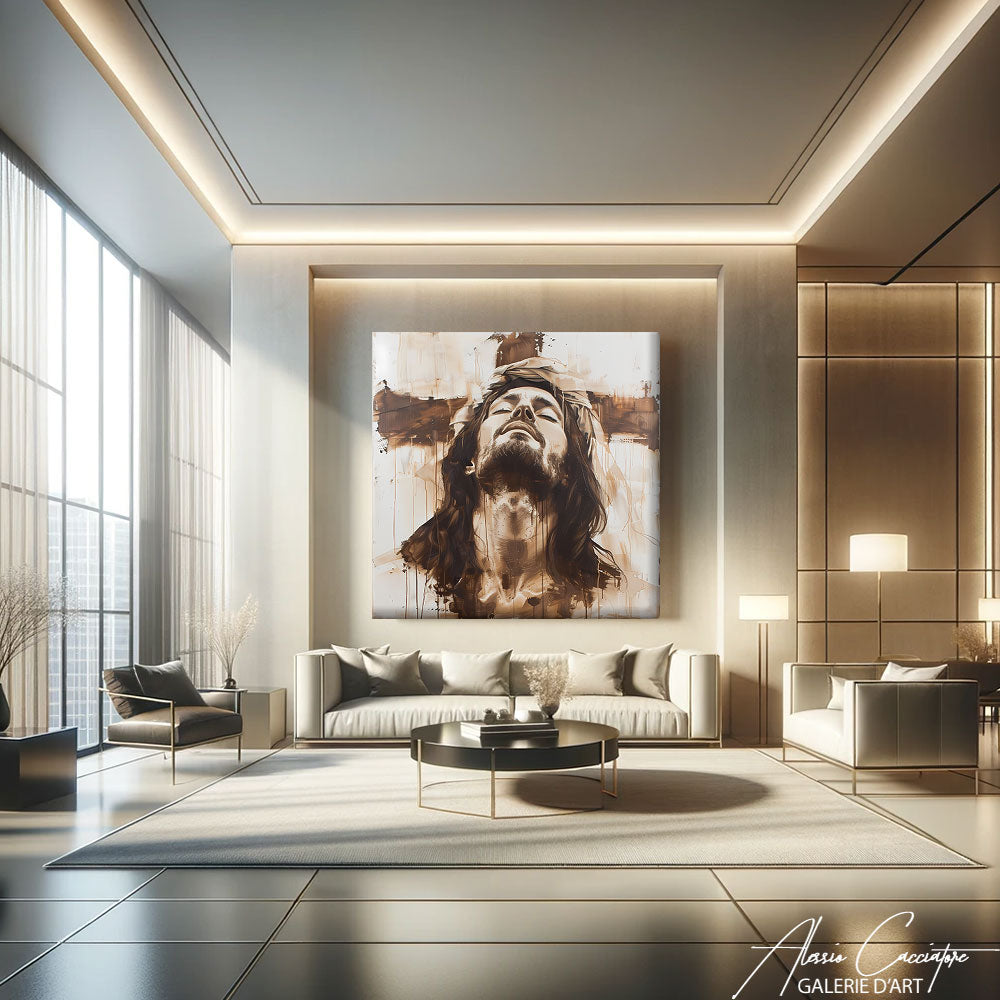
Religious paintings occupy an absolutely unique place in wall decor that no other decorative subject can truly claim. Where other works primarily seek to appeal to ordinary aesthetic sense, to beautify a wall, or to provide a visual ambiance, religious paintings respond to a radically different logic: they express, manifest, and bear witness to a personal, assumed faith. In a contemporary world where religious expression tends to be progressively privatized and rendered invisible in the public sphere, choosing to hang a religious painting in one's home constitutes a fundamentally existential decorative act that goes far beyond a simple aesthetic choice. It is precisely this particular dimension that our collection of religious paintings brings together: a selection of wall art printed on premium canvas and brilliant plexiglass in our German workshop, chosen for their ability to transform a wall into a true domestic sanctuary, respectful of all the great spiritual traditions of the world, in an assumed neutrality that celebrates the diversity of contemporary expressions of faith.
Representations of Christ in the great Western pictorial traditions, portraits of the Virgin Mary inspired by Renaissance masters, Orthodox iconography with Byzantine golds, Arabic calligraphy of Islamic tradition with scholarly compositions, mosque ambiances with blue domes and finely ornamented mihrabs, Islamic-inspired arabesques with stunning mathematical geometries, Hindu iconography with saturated palettes celebrating the immense divine pantheon, oriental motifs traversing several traditions in an assumed cultural continuity, celestial angels of the great Christian and Islamic traditions, abstract compositions that suggest the sacred without direct figuration: each painting in this gallery has been conceived as a decorative object charged with deep spiritual dimension, capable of becoming the visual anchor point of a family living room where faith is embraced, a bedroom where prayer begins and ends the day, a personal meditation corner, a space dedicated to daily contemplation.
Why religious painting deserves particular decorative consideration
Religious painting demands absolutely specific decorative attention, very different from that given to other subjects. This singularity is explained by several fundamental reasons. First, there is the very nature of the subject: representing the sacred, or more precisely visually translating the experience of faith, is probably the most demanding exercise in all art. All great civilizations have produced their greatest masterpieces in the religious domain (Sistine frescoes in Christianity, Kufic calligraphy in the Islamic world, Tibetan mandalas, Hindu sculptures of great temples), recognizing that the representation of the sacred requires maximum aesthetic investment. Then there is the unique personal dimension of this subject: unlike other paintings that may please or displease according to decorative tastes, religious painting touches on what is most intimate in the human experience — conviction, hope, prayer, the meaning given to existence. Finally, there is the question of codified respect: each religious tradition possesses precise iconography, strict visual codes, conventions that the faithful immediately recognize and that must be respected to produce an accurate work. For those seeking a more contemplative and universal approach to the sacred, without anchoring in a specific religious tradition, our spiritual collection offers a complementary universe that extends the meditative spirit towards a non-confessional contemplative sensibility.
Our selection process prioritizes three essential qualities for this demanding subject. First, iconographic respect, because each religious tradition has its visual codes that the faithful immediately recognize: the codified gestures of Christ in majesty in Christian iconography, the characteristic Byzantine hieraticism of Orthodox icons, Arabic calligraphy that obeys precise aesthetic rules in the Islamic tradition, the sacred geometry of mandalas in Eastern traditions. This precision distinguishes a respectful work from an approximate illustration that could offend religious sensibilities. Second, neutrality between traditions, because our gallery addresses clients of all religious convictions and all spiritual backgrounds. We treat each great tradition with absolute equality of consideration and quality, never favoring one over the other. This fundamental neutrality ensures that everyone finds a representation of their own faith with equivalent artistic quality. Finally, the personal dimension, because a successful religious painting does not merely technically represent a sacred subject: it must personally touch the one who will look at it every day, resonate with their own spiritual experience, and accompany their daily life of faith. It is this quality of spiritual companionship that transforms a religious painting into a true sacred presence in an interior.
The great traditions represented in our religious collection
Our gallery explores the great spiritual traditions of the world with equal and respectful consideration. Here are the main families that make up the selection.
Christian iconography: the great Western tradition
A particularly rich family in our collection. For two thousand years, Christianity has probably produced one of the most important visual corpuses in art history, through its different branches (Roman Catholic, Byzantine Orthodox, Reformed Protestant) and its different historical periods (early Christian, Romanesque, Gothic, Renaissance, Baroque, modern art). Our compositions celebrate this tradition in its different registers: representations of Christ in majesty of Byzantine inspiration with their characteristic hieraticism, portraits of the Virgin Mary inspired by Italian Renaissance masters, scenes from the life of Christ treated with the pictorial refinement of the great Western tradition, celestial angels inherited from Baroque iconography, images of the Passion and Resurrection that accompany Christian liturgical life. These paintings bring to an interior this deep spiritual dimension that daily recalls Christian faith in all its multi-centennial iconographic richness. The palette traditionally plays on the patinated golds of altarpieces, the deep Marian blues, the reds of the Passion, and the whites of angelic purity.
Islamic art and sacred calligraphy
A particularly refined family in our collection. Over fourteen centuries, Islam has developed an aesthetic tradition absolutely unique in the world, based on a fundamental principle called aniconism: the traditional refusal of figurative representation of the divine and prophets in favor of an aesthetic that celebrates the beauty of Creation through three great expressive avenues. The first is sacred calligraphy, this art of Arabic writing elevated to the rank of a major artistic expression, allowing visual representation of verses from the Quran in an aesthetic that combines technical precision and spiritual beauty. Our compositions celebrate this tradition in several historical calligraphic styles (ancient Kufic, Thuluth, Naskh, Diwani), each possessing its own characteristic aesthetic. The second is arabesque, this art of infinite geometric patterns and stylized vegetal interlaces that celebrates the mathematical unity of divine creation. The third is sacred architecture, magnificently represented through mosques with blue domes, slender minarets, and finely ornamented mihrabs. An aesthetic richness that brings to an interior this dimension of spiritual elegance deeply rooted in the Islamic tradition.
Orthodox icons and the Byzantine tradition
A symbolically particularly dense family. Orthodox iconography (Russian, Greek, Serbian, Romanian) possesses an absolutely singular aesthetic inherited from the millennia-old Byzantine tradition. Gilded backgrounds that symbolize uncreated divine light, characteristic hieraticism of figures depicted frontally in an assumed directness, codified palette where each color has a precise theological meaning, egg tempera technique on wood that produces a particular luminosity. Our compositions are inspired by this tradition with deep respect: icons of Christ Pantocrator in his characteristic hieraticism, portraits of the Mother of God according to the great traditional typologies (Vladimir, Kazan, Mary of Tenderness), representations of the great saints of the Orthodox tradition. These paintings bring to an interior this particular mystical dimension that characterizes Orthodox spirituality, admirably combined with our Art Deco collection for those who love patinated golds in their different cultural expressions.
Eastern traditions and Hindu-Buddhist sacredness
A particularly contemplative family in our collection. Eastern religious traditions (Hinduism, Buddhism, Jainism, Sikhism) have produced some of the richest sacred iconographies in the world, particularly the Hindu pantheon with its innumerable deities and Buddhism in its different schools (Theravada, Mahayana, Tibetan Vajrayana). Our compositions celebrate this heritage in respectful treatments: representations of Hindu deities with precisely codified iconographic attributes, Buddhist images of Tibetan or Theravadin inspiration, sacred mandalas whose complex geometry accompanies contemplative meditation. These paintings are admirably suited for practitioners of meditation rooted in Eastern traditions, yoga studios that recognize the sacred dimension of the practice, and spaces for contemplation of Asian inspiration. A decor that celebrates the great spiritual traditions of the Indian subcontinent and East Asia, admirably combined with our Buddha collection for those who particularly love this central spiritual figure of the Asian tradition.
Angelic sacredness and celestial figures
A particularly prominent family in our catalog. Angels occupy an absolutely central place in several religious traditions (Christianity, Islam, Judaism) as divine messengers and protectors of the faithful. Angelic iconography has produced some of the most beautiful works of all Western art, from the golden angels of Ravenna mosaics to the chubby putti of the Baroque, including the Renaissance angels with outstretched wings. Our compositions celebrate these celestial figures in varied treatments: guardian angel in protective majesty, Renaissance-inspired cherubs in refined composition, angels falling from the sky in the movement of the divine gesture, Saint Michael in spiritual victory. These paintings bring to an interior this dimension of protection and spiritual companionship that is particularly reassuring.
Sacred calligraphy and foundational texts
A particularly refined family. All great religious traditions give a central place to sacred texts which they consider the very word of God: the Bible in the Christian tradition, the Quran in the Islamic tradition, the Torah in the Jewish tradition, the Bhagavad-Gita in Hinduism, sutras in Buddhism. The calligraphic representation of these texts constitutes a form of sacred art in itself, particularly developed in the Islamic tradition where Arabic calligraphy reaches unsurpassed aesthetic heights. Our compositions celebrate this calligraphic tradition in several registers: verses from the Quran in Thuluth or Naskh calligraphy in the Islamic tradition, extracts of biblical inspiration treated in contemporary typography, Buddhist mantras in Tibetan or Sanskrit script. A textual dimension that particularly speaks to minds attached to the word as a vehicle of the sacred.
Oriental decorative aesthetics and sacred motifs
A very broad family in our collection. Decorative motifs of oriental inspiration traverse several religious and cultural traditions (Islam, but also Hinduism, Sephardic Jewish tradition) in a fascinating aesthetic continuity. Geometric arabesques of astonishing mathematical precision, stylized vegetal interlaces, richly ornamented ancient door motifs, aesthetics of the Moorish palaces of Al-Andalus, decor of mosques and Moroccan riads. These motifs, sometimes strictly religious, sometimes more broadly decorative, bring to an interior this refined dimension that celebrates the aesthetic beauty built over centuries by the great Eastern civilizations, admirably combined with our mandala collection for those who love sacred geometric compositions.
Sacred architecture and great sanctuaries
Particularly immersive compositions. The great sacred architectures of the world (European Gothic cathedrals, Ottoman mosques, Hindu temples, Tibetan Buddhist monasteries, Central European synagogues, Russian Orthodox churches with golden domes) probably constitute the greatest architectural masterpieces of all humanity. Our compositions celebrate these sanctuaries in varied treatments: blue mosque in contemplative composition, Gothic cathedral in dramatic chiaroscuro, Hindu temple in traditional atmosphere, Tibetan monastery in the Himalayan heights. These paintings bring to an interior this spiritual architectural dimension that speaks to travelers moved by their visits to these great sacred places.
Contemporary and modern religious compositions
A particularly current family in our collection. Contemporary religious art is gradually freeing itself from traditional iconographic codes to explore new visual languages: pop art treatments of great sacred subjects, street art compositions of religious inspiration, contemporary abstractions that suggest the sacred without literal figuration. These modern approaches allow religious art to enter decidedly contemporary decors while retaining its deep spiritual charge. A signature that particularly speaks to younger generations attached to their faith but also to their anchoring in contemporary visual language, admirably combined with our abstract collection.
Ambiance and tradition determine your religious choice
Religious painting comes in several styles depending on the tradition you belong to and the desired ambiance. Here are our guidelines for identifying the painting that precisely matches your spiritual project.
For the Christian Catholic and Orthodox tradition
Prioritize representations of Christ in majesty of Byzantine or Renaissance inspiration, portraits of the Virgin Mary inspired by the great masters, characteristic Orthodox icons with patinated golds, scenes from the life of Christ treated with the pictorial depth of the great Western tradition. On matte canvas that softens contrasts and admirably extends the pictorial quality of classic art prints, these works are admirably suited for Catholic family living rooms, bedrooms where the day begins and ends with prayer, and entrances that manifest the assumed faith of the household.
For the Sunni and Shiite Islamic tradition
Turn to Arabic calligraphies of Thuluth or Naskh tradition that reproduce sacred verses in a respectful aesthetic, geometric arabesques of scholarly inspiration, representations of historical mosques with blue domes, traditional motifs of mihrabs and minarets. On matte canvas or plexiglass depending on the palette (matte for sober compositions, plexiglass for bright golden compositions), these works are admirably suited for Muslim family living rooms, domestic prayer corners, and spaces that celebrate the aesthetic beauty of the Islamic tradition.
For Eastern Hindu and Buddhist traditions
Opt for representations of Hindu deities with codified iconographic attributes, Buddhist images of Tibetan or Theravadin inspiration, sacred mandalas with complex geometry, faces of Buddha in contemplative meditation. These paintings are admirably suited for meditation practitioners rooted in Eastern traditions, yoga studios that recognize the sacred dimension of the practice, and spaces for contemplation of Asian inspiration. A decoration that celebrates the great spiritual traditions of the Indian subcontinent and East Asia.
For an ecumenical and symbolic approach
Choose the most symbolic and least denominationally marked religious compositions: celestial angels recognized by several monotheistic traditions, architectural motifs that celebrate great traditions in their diversity, contemporary abstract compositions that suggest the sacred without confessionally marked figuration. These paintings are particularly suitable for interfaith families, minds attached to the universal spiritual dimension beyond particular traditions, and professional spaces of establishments welcoming people of all faiths.
Religious painting, piece by piece
Each room calls for its religious painting according to its use and the desired spiritual atmosphere. Here are our respectful decorative recommendations.
In a family living room where faith is embraced
This is probably the preferred location for a large religious painting in homes where spirituality is a central element of family life. Above the sofa, a 120x80 cm format immediately becomes the spiritual signature of the home. Here, prioritize compositions with strong character: representation of Christ in majesty, portrait of the Virgin Mary, large golden Quranic calligraphy, sumptuous Hindu iconography. Above a forest green velvet or cognac leather sofa that dialogues with the characteristic golds and reds of sacred iconography, the religious painting transforms the living room into a truly respectful domestic sanctuary. Our living room collection offers other complementary subjects to structure a coherent universe in this family living space.
In a bedroom where prayers begin and end the day
A particularly suitable configuration. For the faithful who pray morning and evening, the religious painting placed facing the bed or on a wall visible from the prayer position provides daily spiritual companionship. Prioritize intimate and peaceful compositions: an Orthodox icon in a traditional composition, an elegant close-up Arabic calligraphy, a refined portrait of a guardian angel, a tender portrait of the Virgin Mary. Choose a 60x40 cm or 80x60 cm format depending on the configuration, on a matte canvas that softens contrasts and creates a pictorial softness suitable for this intimate moment. Our bedroom collection offers other complementary subjects to create a coherent universe.
In a prayer corner or domestic oratory
A configuration where the religious painting finds its absolute resonance. More and more homes today are setting up spaces dedicated to prayer and contemplation: a Catholic oratory corner with a crucifix and an image of the Virgin, a domestic mihrab for Muslim prayer, a Buddhist altar with an image of the Buddha and offerings, an Orthodox icon corner with a lit vigil lamp. The religious painting is the central visual element in these spaces. Prioritize the most traditional compositions that respect the iconographic codes of your faith, in a format adapted to the generally modest size of these spaces (60x40 cm is often sufficient), on a matte canvas for the characteristic atmosphere of contemplation.
In an entryway that manifests the household's faith
An entryway adorned with a religious composition immediately announces the spiritual character of the household. Your guest steps through the door and is struck by the sacred presence that manifests the inhabitants' conviction. A Christ Pantocrator, a golden Quranic calligraphy, a refined composition of a guardian angel, an image of Buddha in meditation: the first impression is that of a home that openly embraces its faith. This manifestation can be experienced as a serenely affirmed testimony for practicing believers.
In a contemplative-minded office
A rarer but particularly significant configuration. For professionals who wish to maintain a spiritual presence in their work environment, a discreet religious painting can provide that dimension of inner grounding that carries them through intense days. Prioritize discreet and peaceful compositions: a small icon, a sober calligraphy, a contemplative image in a muted palette. A compact 60x40 cm format on matte canvas, positioned where the gaze can rest during moments of respite.
In a collective space with a religious vocation
Parish halls, mosques, Buddhist temples, synagogues, meditation rooms of spiritual associations, confessional schools, hospitals, and religiously inspired retirement homes: religious paintings are an obvious decorative choice in these spaces. Prioritize large, imposing formats and compositions with strong iconographic traditions that immediately establish the spiritual identity of the place.
As a spiritual gift
The religious painting holds a special place in the world of gifts: it is probably one of the most emotionally charged gifts one can offer. Ideal for a baptism, confirmation, first communion, religious wedding, Ramadan, Bar Mitzvah ceremony, or any significant spiritual event. The 60x40 cm format on matte canvas remains one of our most popular choices for these occasions, particularly traditional representations that universally appeal to recipients of all generations.
The choice of format to magnify the sacred
The format particularly influences the effect of a religious painting because this subject requires precise adaptation to the desired spiritual atmosphere.
The compact format (60x40 cm) is ideal for intimate compositions intended for a personal prayer corner or oratory: a small traditional icon, a minimalist Quranic calligraphy, a refined close-up portrait of an angel. Particularly suited to contemplative spaces that prioritize visual proximity over monumentality, and for hanging facing the bed or in a personal prayer space.
The medium format (80x60 cm) remains the versatile size. Suitable for all religious compositions, from traditional icons to Quranic calligraphies, and classic representations of Christ or the Virgin. Above a dresser in a bedroom, as a decorative accent in a living room, or in an entryway that manifests faith: it brings an asserted spiritual presence without dominating the room.
The large format (120x80 cm) is particularly suitable for compositions that fully affirm the spiritual dimension of the home: a monumental Christ in Majesty, a large Quranic calligraphy with patinated golds, a sumptuous Hindu iconography in a complete scene. Above a sofa in a family living room where faith is embraced, in a collective space with a religious vocation: going big on this subject means giving the sacred the presence it deserves in the home.
The religious triptych is a particularly suitable configuration for this subject, directly inherited from classic church altarpieces that traditionally presented sacred scenes in a tripartite composition. Three panels can depict three moments in the life of Christ, three representations of complementary deities, or three Quranic calligraphies in a harmonious composition. It creates an immediate structuring effect that transforms a large wall into a truly respectful domestic altarpiece.
The vertical format particularly magnifies compositions where verticality embraces the dimension of spiritual elevation: Christ standing according to the tradition of great icons, Quranic calligraphy in a longitudinal composition, an image of a saint in vertical majesty. Ideal between two pieces of furniture, next to a door, or in a stairwell where the vertical impetus admirably accentuates the dimension of spiritual ascension characteristic of several religious traditions.
Premium canvas or glossy plexiglass: sublimating the sacred
The medium determines how your religious painting will reflect the spiritual quality of the subject and permanently adorn your wall. For this subject, with its particularly high demands, the choice deserves specific attention according to the tradition and style chosen.
Premium canvas print
Our canvas is hand-stretched over a 2 cm thick FSC-certified spruce wood frame. Its matte and delicately granular texture gives religious compositions a pictorial quality particularly suited to this demanding subject: it admirably extends the traditional aesthetics of ancient icons, church frescoes, Persian miniatures, and Tibetan thangkas. It softens contrasts and gives Byzantine or Islamic golds that velvety quality associated with beautiful illuminated manuscripts and great sacred works. This is probably the ideal choice for most religious compositions, particularly Orthodox icons, Renaissance-inspired portraits of the Virgin Mary, traditional Hindu representations, and images of the meditating Buddha. A finish that admirably extends the original aesthetic of great iconographic traditions.
Glossy plexiglass print
Plexiglass offers a particularly suitable alternative for religious compositions with vibrant chromatic dominants: golden Quranic calligraphies, Hindu iconographies with saturated palettes, blue mosques under golden sunsets, or contemporary/pop art treatments of religious subjects. Its smooth and glossy finish intensifies the brilliance of golds, enhances the vibrancy of traditional chromatic palettes, and gives modern compositions a particularly spectacular rendering. On a Quranic calligraphy with patinated golds or a sumptuous Hindu iconography, the effect is striking.
In both cases, our prints use odorless and solvent-free high-definition ink, perfectly safe for prayer and contemplation spaces where the atmosphere must remain pure. The printing technology we use preserves contrasts and color fidelity for several decades. Each painting is delivered ready to hang, including the hanging system.
Matching religious art with your existing decor
Religious aesthetics blend admirably with several decorative universes, depending on the tradition you belong to. Here are some ideas.
In a modernized and cultured classic interior
Ideal configuration for traditional Christian iconography. Revamped family furniture, muted palette, light wood paneling, noble materials: this decorative universe admirably welcomes religious compositions of classical inspiration. Christ in Majesty of Byzantine inspiration, Virgin Mary of Renaissance spirit, portraits of saints in chiaroscuro: all works that extend the traditional nobility of the place and anchor it in the great European Christian cultural continuity. A particularly successful harmony that celebrates the unity of faith and cultured tradition.
In an Oriental or Middle Eastern interior
Ideal configuration for Islamic compositions. Low Ottoman-inspired furniture, richly embroidered cushions, Oriental filigree lighting, Persian rugs, copper-burgundy-gold palettes: this universe admirably welcomes traditional Islamic compositions. Intricate Quranic calligraphies, precise geometric arabesques, representations of mosques: all works that extend the spirit of refinement characteristic of historical Muslim culture. A deeply satisfying cultural and spiritual coherence.
In a wellness and meditative interior
Ideal configuration for Buddhist and Hindu compositions. Light woods, natural textiles, a calm palette, presence of living plants, subdued lighting: this decorative universe admirably welcomes Eastern religious compositions. Buddha in meditation, sacred mandala, Hindu deity in a refined composition: all works that extend the contemplative atmosphere characteristic of the style. To be admirably combined with our zen collection to structure a coherent universe around meditation.
In a Slavo-Byzantine inspired interior
A particular configuration for Orthodox icons. Patinated woods in the spirit of a Russian izba, deep red and gold palette, chandeliers, rich fabrics: this rare but particularly coherent universe admirably welcomes traditional Orthodox icons with their characteristic hieraticism. A spiritual atmosphere deeply rooted in the Slavic Orthodox tradition.
In a contemporary interior with a spiritual dimension
For contemporary interiors that wish to maintain a discreet religious dimension, choose the most modern and graphic religious compositions: pop art treatments of sacred subjects, minimalist contemporary calligraphies, abstract compositions of religious inspiration. These treatments allow religious art to enter demanding design decors without disrupting the overall aesthetic of the place.
In a communal or parish space
Parish halls, mosques, temples, confessional meeting rooms: these spaces admirably welcome large classic religious compositions in their assumed traditional dimension. Large format or triptych, characteristic palette of the tradition, strong presence to establish the spiritual identity of the place.
Frequently asked questions about religious paintings
Do your religious paintings truly respect all traditions?
This is a central concern of our editorial work. Our gallery caters to clients of all religious beliefs and spiritual backgrounds, with an assumed neutrality and equal consideration for each major tradition. Our Christian compositions respect traditional Catholic and Orthodox iconographic codes. Our Islamic compositions adhere strictly to traditional aniconism and prioritize calligraphy and arabesques over figuration. Our Eastern compositions (Hinduism, Buddhism) respect the codified iconographic attributes of each deity or sacred figure. This fundamental neutrality ensures that everyone can find a representation of their own faith in equivalent artistic quality, without ever favoring one tradition over another.
Are all your religious paintings prints?
Yes, they are high-definition prints on premium canvas or glossy plexiglass, produced in our workshop in Germany. Our compositions are designed and printed with gallery quality, which allows us to offer work of great refinement at an accessible price, without compromising on the quality of color rendering and iconographic precision that particularly characterize this subject with high religious demands.
Do your paintings reproduce famous religious works?
Out of strict respect for the copyright of still-protected works and the museum institutions that hold the originals, our compositions never literally reproduce major protected contemporary religious works. Our religious paintings are original creations inspired by great iconographic traditions (Italian Renaissance, Byzantine art, Islamic calligraphy, Hindu iconography) without reproducing any specific identifiable work. A respectful approach that fully conveys the religious spirit without raising legal questions.
Is a religious painting suitable as a gift?
It is probably one of the most emotionally charged and lasting gifts one can offer, particularly for important religious events: baptism, confirmation, first communion, Bar Mitzvah, religious wedding, Ramadan and Islamic holidays, Buddhist ceremonies. The strong spiritual dimension of the subject makes it a gift that accompanies the recipient for decades. The 60x40 cm format on matte canvas remains one of our most popular choices for these occasions, particularly traditional compositions that universally appeal to recipients of all generations.
What is the difference between a religious painting and a spiritual painting?
Our religious painting collection focuses on specific major confessional traditions with their codified iconographies: Christianity, Islam, Hinduism, Buddhism, Judaism. Our spiritual painting collection offers a universal non-confessional contemplative approach, suitable for minds sensitive to the meditative dimension without being anchored in a specific religious tradition. The two collections are complementary: religious is confessionally anchored, spiritual is universally contemplative.
Is it appropriate to hang a religious painting in a living room?
This is a question that belongs to each household and its way of living its faith. Historically, in all great religious traditions, sacred images have found their place in family living spaces: living rooms of traditional Christian homes with their icons, living rooms of Muslim families with Quranic calligraphies, domestic altars of Hindu and Buddhist households. A religious painting in the living room shows that faith is not confined to places of worship but accompanies daily family life. It is a deeply personal decision that depends on how each family experiences its spirituality.
How high should a religious painting be hung?
Center the painting at about 1.50 meters from the floor, which is average eye level. For a prayer corner or oratory where one sometimes prays on their knees, you can lower it to about 1.20 meters, which adapts the height to the traditional kneeling position. For an Orthodox icon hung in the traditional corner of the bedroom, respect the custom of corner placement, which puts the icon in a position of primary attention.
How do I care for my religious painting?
A dry or slightly damp cloth is sufficient for both media. Avoid abrasive products and prolonged exposure to direct sunlight to preserve the fidelity of the patinated golds and traditional palettes that make up the charm of these sacred compositions, destined to accompany your spiritual life for many years.