
Tree view
91 œuvresDes œuvres en édition limitée, pensées par l'artiste pour illuminer votre intérieur.
Fait main en AllemagneLivraison offertePrêt à accrocher30 jours pour changer d'avis
-
Add to Wishlist MODERN COLORFUL TREE PAINTINGDès 89 €
-
Add to Wishlist TREE OF LIFE LIVING ROOM PAINTINGDès 89 €
-
Add to Wishlist SUNSET TREE PAINTINGDès 89 €
-
Add to Wishlist FOREST TREE PAINTINGDès 89 €
-
Add to Wishlist MULTICOLOR TREE OF LIFE PAINTINGDès 89 €
-
Add to Wishlist COLORFUL TREE OF LIFE PAINTINGDès 89 €
-
Add to Wishlist MODERN TREE OF LIFE PAINTINGDès 89 €
-
Add to Wishlist PAINTING TREE OF LIFE PAINTINGDès 89 €
-
Add to Wishlist ACRYLIC TREE OF LIFE PAINTINGDès 89 €
-
Add to Wishlist TREE OF LIFE DECORATIVE PAINTINGDès 89 €
-
Add to Wishlist VIBRANT TREE OF LIFE PAINTINGDès 89 €
-
Add to Wishlist GREEN TREE OF LIFE PAINTINGDès 89 €
-
Add to Wishlist AFRICAN TREE PAINTINGDès 89 €
-
Add to Wishlist ABSTRACT TREE OF LIFE PAINTINGDès 89 €
-
Add to Wishlist JAPANESE TREE PAINTINGDès 89 €
-
Add to Wishlist WHITE TREE OF LIFE PAINTINGDès 89 €
-
Add to Wishlist TREE OF LIFE LANDSCAPE PAINTINGDès 89 €
-
Add to Wishlist TREE OF LIFE PAINTINGDès 89 €
-
Add to Wishlist BLACK TREE OF LIFE PAINTINGDès 89 €
-
Add to Wishlist WHITE TREE OF LIFE PAINTINGDès 89 €
-
Add to Wishlist TREE OF LIFE WALL PAINTINGDès 89 €
-
Add to Wishlist COLOR TREE OF LIFE PAINTINGDès 89 €
-
Add to Wishlist WALL TREE OF LIFE PAINTINGDès 89 €
-
Add to Wishlist ORANGE TREE OF LIFE PAINTINGDès 89 €
-
Add to Wishlist YELLOW TREE OF LIFE PAINTINGDès 89 €
-
Add to Wishlist MAGIC TREE OF LIFE PAINTINGDès 89 €
-
Add to Wishlist BLUE TREE OF LIFE PAINTINGDès 89 €
-
Add to Wishlist PINK TREE OF LIFE PAINTINGDès 89 €
-
Add to Wishlist GOLDEN TREE OF LIFE PAINTINGDès 89 €
-
Add to Wishlist NIGHT TREE OF LIFE PAINTINGDès 89 €
-
Add to Wishlist JAPANESE TREE PAINTINGDès 89 €
-
Add to Wishlist BIRD TREE PAINTINGDès 89 €
-
Add to Wishlist TREE OF LIFE TRIPTYCHDès 149 €
-
Add to Wishlist TREE OF LIFE TRIPTYCH PAINTINGDès 159 €
-
Add to Wishlist TREE TRIPTYCH PAINTINGDès 149 €
-
Add to Wishlist FUTURE TREE OF LIFE PAINTINGDès 89 €
-
Add to Wishlist MODERN PAINTING TREE OF LIFEDès 89 €
-
Add to Wishlist ZEN TREE OF LIFE PAINTINGDès 89 €
-
Add to Wishlist RED TREE OF LIFE PAINTINGDès 89 €
-
Add to Wishlist ABSTRACT PAINTING TREE OF LIFEDès 89 €
-
Add to Wishlist MODERN TREE OF LIFE PAINTINGDès 89 €
-
Add to Wishlist TREE OF LIFE HEARTS PAINTINGDès 89 €
-
Add to Wishlist MODERN TREE PAINTINGDès 89 €
-
Add to Wishlist TREE OF LIFE PAINTING ARTDès 89 €
-
Add to Wishlist DECORATIVE TREE OF LIFE PAINTINGDès 89 €
-
Add to Wishlist PAINTING PAINTING TREE OF LIFEDès 89 €
-
Add to Wishlist TREE OF LIFE PICTURE PHOTODès 89 €
-
Add to Wishlist TREE OF LIFE WALL PAINTINGDès 89 €
-
Add to Wishlist TREE OF LIFE PAINTING ARTDès 89 €
-
Add to Wishlist COLORFUL TREE OF LIFE PAINTINGDès 89 €
-
Add to Wishlist COLORFUL TREE TABLEDès 89 €
-
Add to Wishlist TREE OF LIFE GOLD PAINTINGDès 89 €
-
Add to Wishlist BLACK AND WHITE TREE OF LIFE BOARDDès 89 €
-
Add to Wishlist BLACK AND WHITE TREE OF LIFE PAINTINGDès 89 €
-
Add to Wishlist COLORFUL TREE OF LIFE PAINTINGDès 89 €
-
Add to Wishlist TREE OF LIFE DESIGN TABLEDès 89 €
-
Add to Wishlist TREE OF LIFE HEART PAINTINGDès 89 €
-
Add to Wishlist CONTEMPORARY TREE PAINTINGDès 89 €
-
Add to Wishlist MULTICOLOR TREE PAINTINGDès 89 €
-
Add to Wishlist MODERN TREE PAINTINGDès 89 €


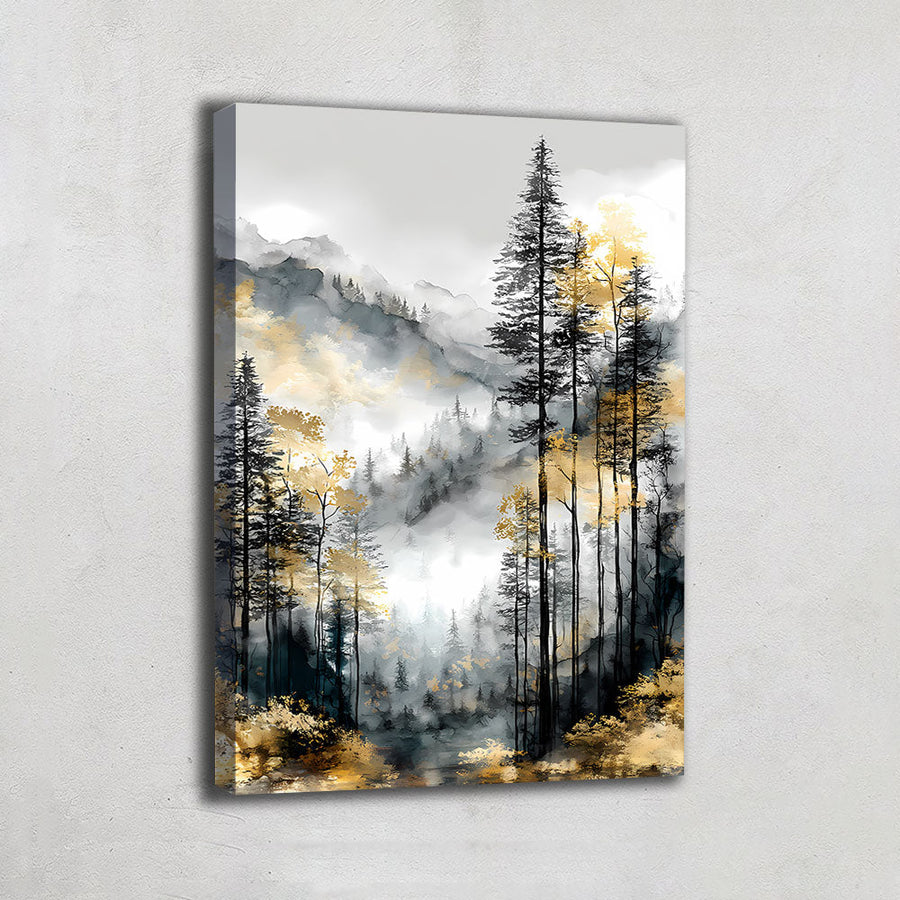


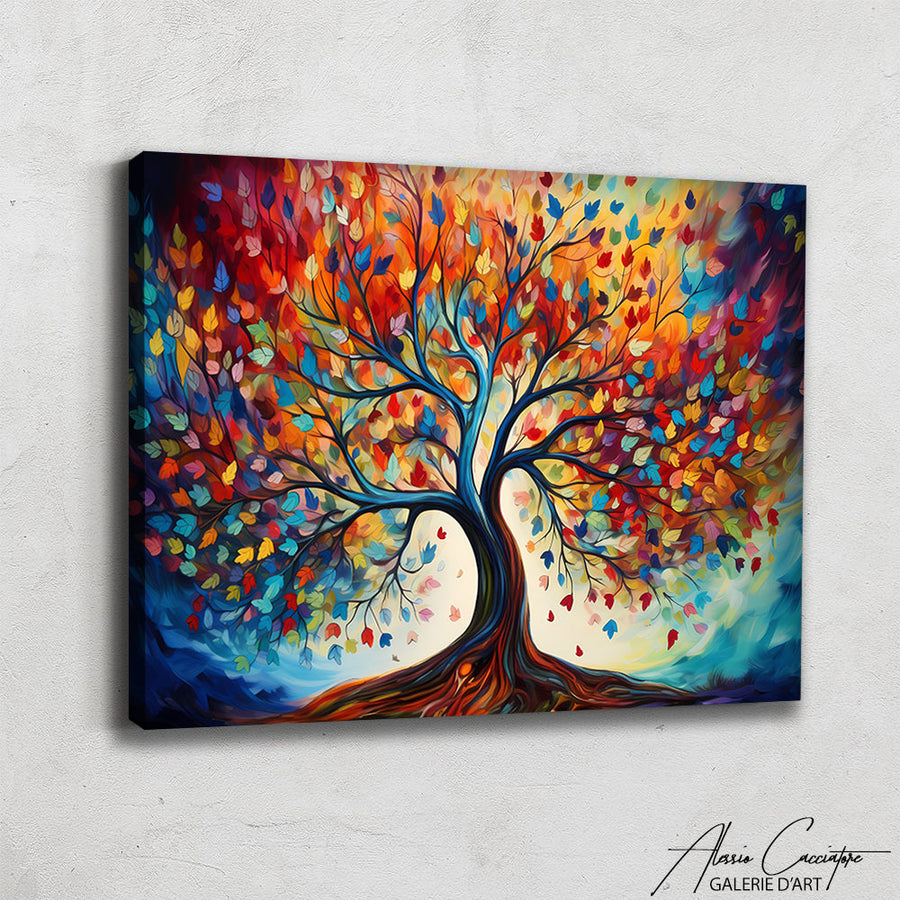


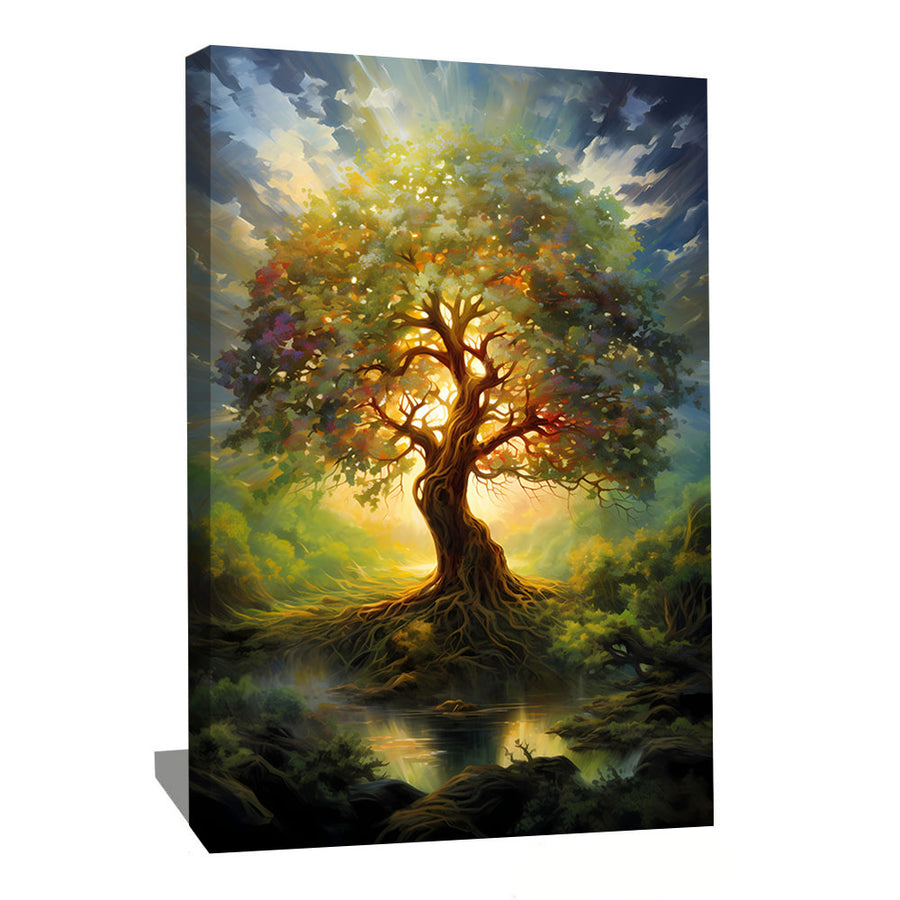










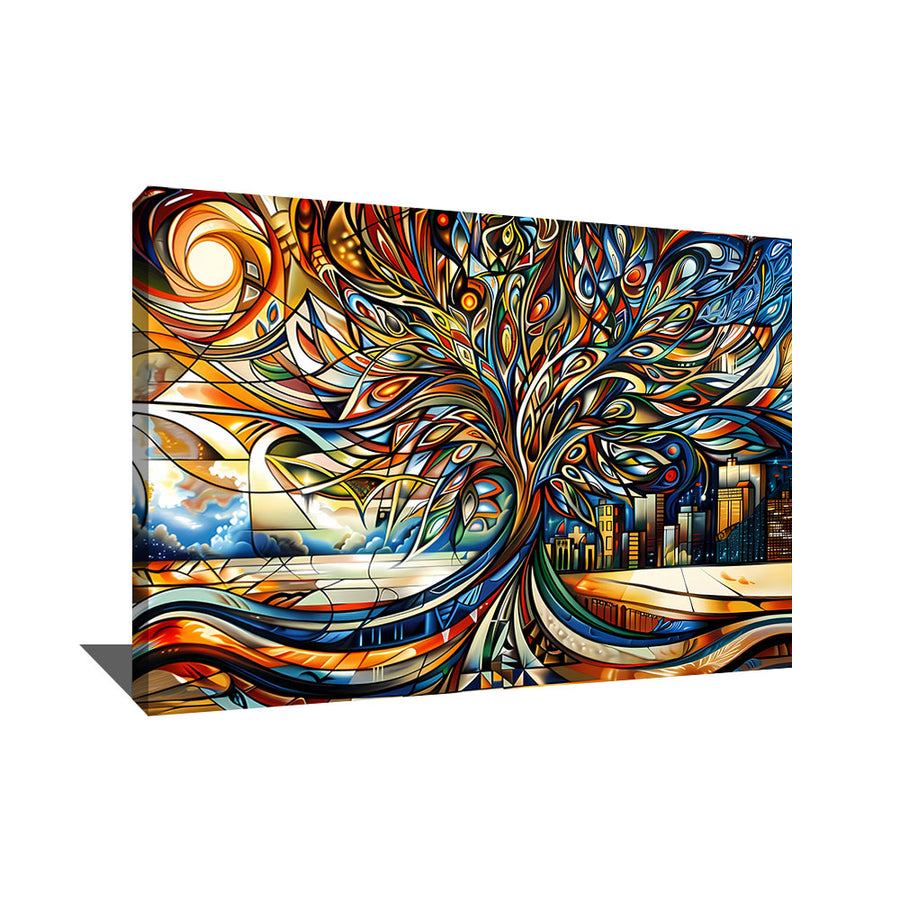


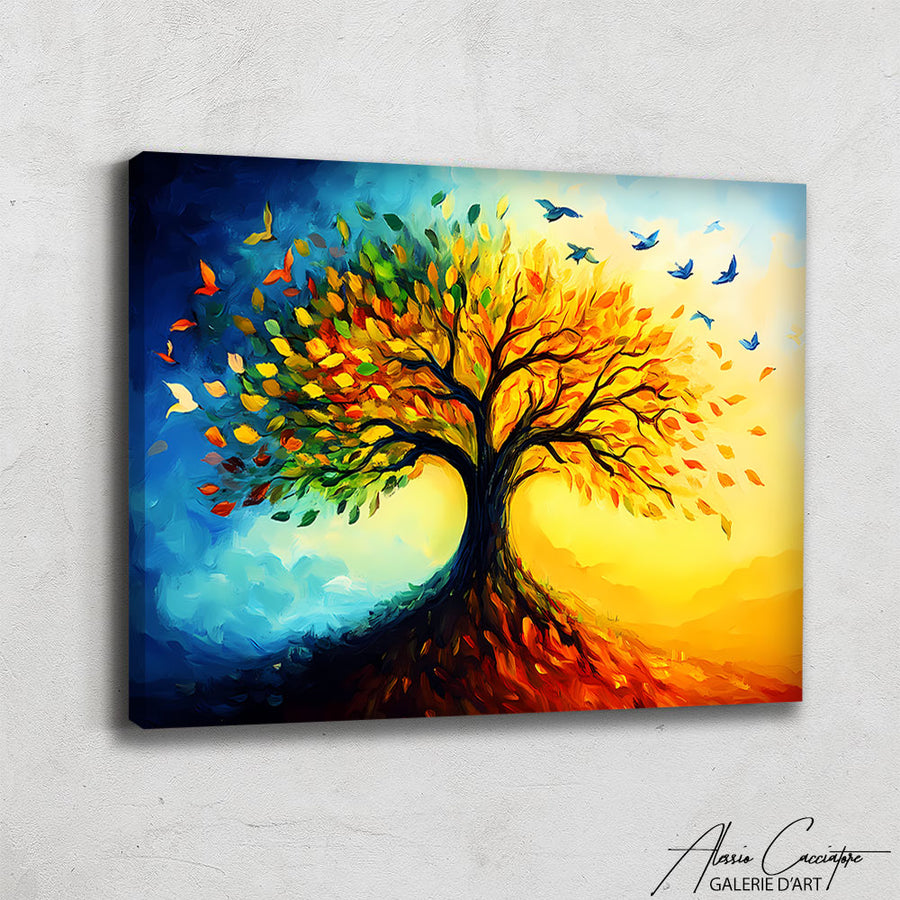

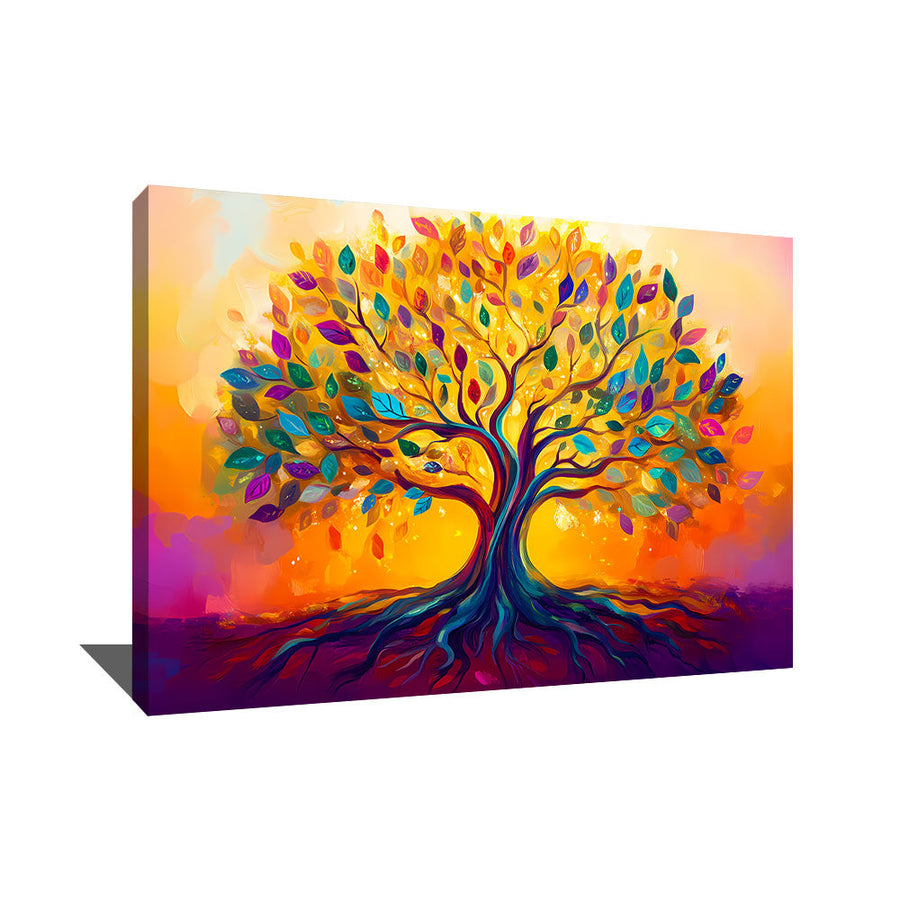


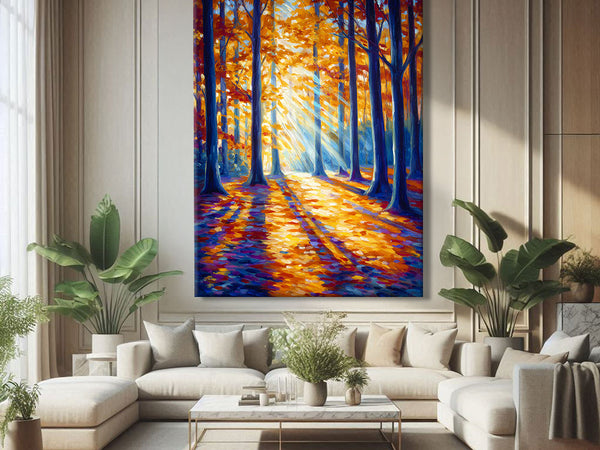
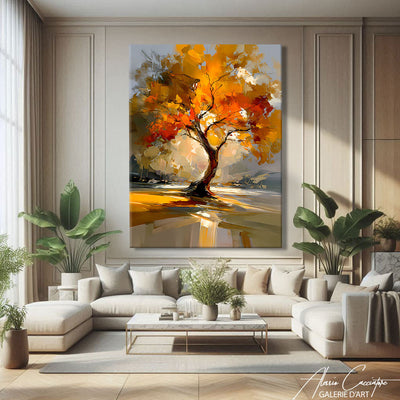
In decorative iconography, the tree occupies a truly unique position that no other subject can truly claim. While all other living subjects in wall decoration (majestic animals, human portraits, ephemeral flowers) represent lives that are shorter than or comparable to our own, the tree is probably the only decorative subject that represents a living being older, larger, and more enduring than humanity itself. It surpasses us in every dimension. Methuselah, a Bristlecone pine perched in the mountains of California, is nearly four thousand nine hundred years old and was already an old tree when the pyramids of Giza were rising from the earth. Old Tjikko, a spruce in Sweden, is approaching ten thousand years. Pando, a clonal quaking aspen in Utah, is both the heaviest living organism on the planet with its six thousand tons and one of the oldest, with an estimated age of eighty thousand years. Hyperion, a coast redwood, towers at one hundred and sixteen meters, taller than the Statue of Liberty placed atop the Leaning Tower of Pisa. An oak planted today in a garden will be gazed upon by the great-grandchildren of the one who planted it. This dizzying temporal dimension explains the universal fascination for the solitary tree, a major pictorial and photographic motif for the past two centuries: the isolated oak of the German Romantics, the trees decomposed into lines by the pioneers of abstraction, the flaming cypresses of the post-impressionists, and today the Wanaka tree in New Zealand, probably the most photographed tree in the world, or the Avenue of the Baobabs in Morondava, Madagascar. The tree alone in the landscape embodies an archetypal figure that the forest cannot carry: rooted verticality, that quiet strength that draws downward to rise upward, and the botanical patience that traverses the seasons on a single subject. It is precisely this dimension of iconography of the living that surpasses us which our tree art collection gathers: a selection of wall art printed on premium canvas and glossy plexiglass in our German workshop, chosen for their ability to transform a wall into a true portrait of a botanical individual, with all the quiet presence that only a tree knows how to bring to a room.
Centuries-old oaks isolated in the middle of a meadow in the raking light of evening, millennial olive trees with tormented trunks and silvery foliage, white birches in graphic alignment against a backdrop of snow, monumental baobabs silhouetted against a burning African sky, weeping willows leaning over the water of a pond in a contemplative composition, flaming maples in full autumn attire, giant sequoias photographed from the ground in dizzying verticality, cypresses standing like exclamation marks in the Tuscan hills, Mediterranean umbrella pines in silhouette against the sunset, bare winter silhouettes revealing the complete architecture of the branches, solitary trees on a hill in a minimalist composition, centuries-old bonsai in a Zen composition, trees in bloom in the spring in soft palettes, visible roots in a textural composition revealing the invisible part, canopies viewed from below in a circular composition, trees through the four seasons in a triptych or quadriptych, stylized trees of Japandi inspiration in flat areas of earth and green, colorful trees in a contemporary composition with vitalized foliage: each painting in this gallery has been conceived as a decorative object charged with palpable botanical presence, capable of becoming the visual anchor for a nature-inspired living room, a peaceful bedroom, a contemplative office, an entryway that welcomes with quiet strength, or a space that fully celebrates this unique living being in all its dimension of patience and rootedness.
Why the tree is experiencing a major decorative renaissance
Over the last decade, tree wall art has undergone a particularly fascinating cultural transformation that is essential to understand in order to fully appreciate its current value. Long confined to the register of classic naturalistic landscape, the tree as a subject in its own right has made a spectacular return to the forefront of contemporary decoration since two thousand fifteen, driven by several major cultural convergences. First, there is the scientific and popular rediscovery of the intelligence of trees: the global bestseller by the German forester Peter Wohlleben, published in two thousand fifteen and translated into over forty languages, revealed to the general public that trees communicate with each other through their roots and fungal networks, that they nourish their weakened neighbors, that they keep the memory of droughts, and that they possess a form of social life. The work of the French botanist Francis Hallé on the canopy, and his "Radeau des cimes" (Raft of the Treetops) which allowed for the first exploration of the tops of tropical forests, extended this shift in perspective. The tree is no longer a backdrop: it is a complex living being that we look at differently. Then, there is the development of the "Arbre remarquable de France" (Remarkable Tree of France) label, created in the year two thousand by the association A.R.B.R.E.S., which has inventoried and distinguished several hundred trees that are exceptional for their age, size, or history, giving rise to a genuine tree tourism and a culture of the individual tree as heritage. Furthermore, there is the renaissance of solitary tree photography on social networks, with places having become iconic such as the Wanaka tree in New Zealand, the Dark Hedges of Northern Ireland, or the Avenue of the Baobabs in Madagascar, which have established the isolated tree as one of the most shared photographic motifs in the world. Finally, there is biophilic design, that decorative movement which reintroduces nature into urban interiors, of which the tree constitutes the most direct expression: a single tree on the wall is enough to establish the presence of the living in a room. For those who particularly love the tree in its stylized symbolic and spiritual dimension, our tree of life collection offers a similar but radically distinct universe, centered on the universal graphic symbol rather than the botanical portrait.
Our selection process favors three essential qualities for this subject with its particular requirements. Botanical accuracy first, because knowledgeable enthusiasts immediately recognize the approximations that betray a lack of knowledge of the species: the characteristic habit of a pedunculate oak with powerful horizontal branches compared to the slender habit of a beech, the tormented trunk and silvery foliage peculiar to the olive tree, the white, black-spotted bark of the birch, the bottle silhouette of the baobab, the drooping branches of the weeping willow, the precise cut of the maple leaves, the absolute verticality of the Mediterranean cypress, the flattened crown of the umbrella pine. This precision distinguishes a refined tree portrait from an interchangeable generic silhouette. Mastery of light second, because the tree is probably the subject that transforms the most according to the time and season: backlighting that reveals the lace of the winter branches, raking evening light that lengthens shadows on the meadow, morning mist that isolates the tree from its environment, light filtered through the foliage, autumnal burning. This orchestration of light requires genuine mastery to give each tree its own presence. Dimension of presence finally, because a successful tree painting is not content to represent a plant: it must install in the room that particular quality of quiet strength and patience that constitutes the very soul of the subject, that feeling of being in the company of a being who has time. It is this purely soothing quality that transforms a tree painting into a true daily presence.
The great families of our tree collection
Our gallery explores all the major species and all the major ways of representing the tree. Here are the main families that make up the selection.
The solitary tree in the landscape
Probably our most emblematic family. The tree isolated in the middle of a meadow, on a hill, by the water, constitutes the most universally loved motif of the subject, the one that the German Romantics invented in the early nineteenth century and that contemporary photography has made iconic. Its strength comes from its very solitude: without a neighbor to compare it to, the tree becomes a figure, almost a character, with its own silhouette and its quiet presence. Our compositions celebrate this dimension in varied treatments: isolated oak on a hill in the evening light, solitary tree in the morning mist, silhouette against a starry sky, lone tree by a lake reflected in the calm water. On matte canvas that extends the pictorial aesthetic of the subject, the effect is particularly contemplative.
The oak and majestic hardwoods
A family of particular heritage value. The oak is the emblematic tree of temperate Europe, a symbol of strength, longevity, and justice since antiquity, the tree under which kings rendered their judgments and from whose wood cathedrals and ships were built. Its powerful silhouette with horizontal branches, its massive trunk, and its dense foliage produce compositions of great majesty. Our compositions celebrate this dimension in varied treatments: centuries-old oak in majesty in a meadow, bare winter branches revealing the complete architecture, oak in full summer foliage, close-up of the fissured bark in a textural composition. Beeches, plane trees, linden trees, and horse chestnuts complete this family of great European hardwoods.
The olive tree and Mediterranean trees
Particularly warm compositions. The olive tree is the emblematic tree of the entire Mediterranean, capable of living for several thousand years, with its tormented trunk that seems sculpted by time and its silvery foliage that shivers at the slightest breath of wind. The standing cypress, the umbrella pine with its flattened crown, and the generous fig tree complete this Mediterranean family. Our compositions celebrate this dimension in varied treatments: millennial olive tree isolated in a majestic composition, close-up on a gnarled trunk revealing the sculptural beauty of the wood, alley of Tuscan cypresses in a graphic composition, umbrella pine in silhouette against the Mediterranean sunset.
The birch and northern trees
A particularly graphic family. The birch, with its white bark spotted with black and its slender habit, is the most graphic tree in the Nordic repertoire, magnified by the alignments of white trunks against a backdrop of snow or dark undergrowth. Spruces, larches that turn yellow in autumn, and Scots pines complete this family. Our compositions celebrate this dimension in varied treatments: alignment of birches in a vertical graphic composition, birches in the snow in a minimalist, almost monochrome composition, close-up of the white bark in a textural composition, golden larches in autumn in an alpine landscape. These compositions integrate particularly well into Scandinavian and Japandi interiors.
The baobab and the trees of the world
Particularly exotic compositions. The African baobab, with its absolutely unique bottle silhouette and its branches that look like roots reaching toward the sky (legends say it was planted upside down), is one of the most fascinating trees on the planet. The Avenue of the Baobabs in Morondava, Madagascar, has become one of the most photographed natural sites in the world. The giant sequoias of California, the umbrella acacias of the savanna, the millennial ginkgoes of Asia, the purple jacarandas of South America, and the Australian eucalyptuses complete this family of trees of the world. Our compositions celebrate this dimension in varied treatments that invite travel. To be combined admirably with our nature collection to more broadly explore great natural subjects in their geographical diversity.
Japanese trees and the Zen spirit
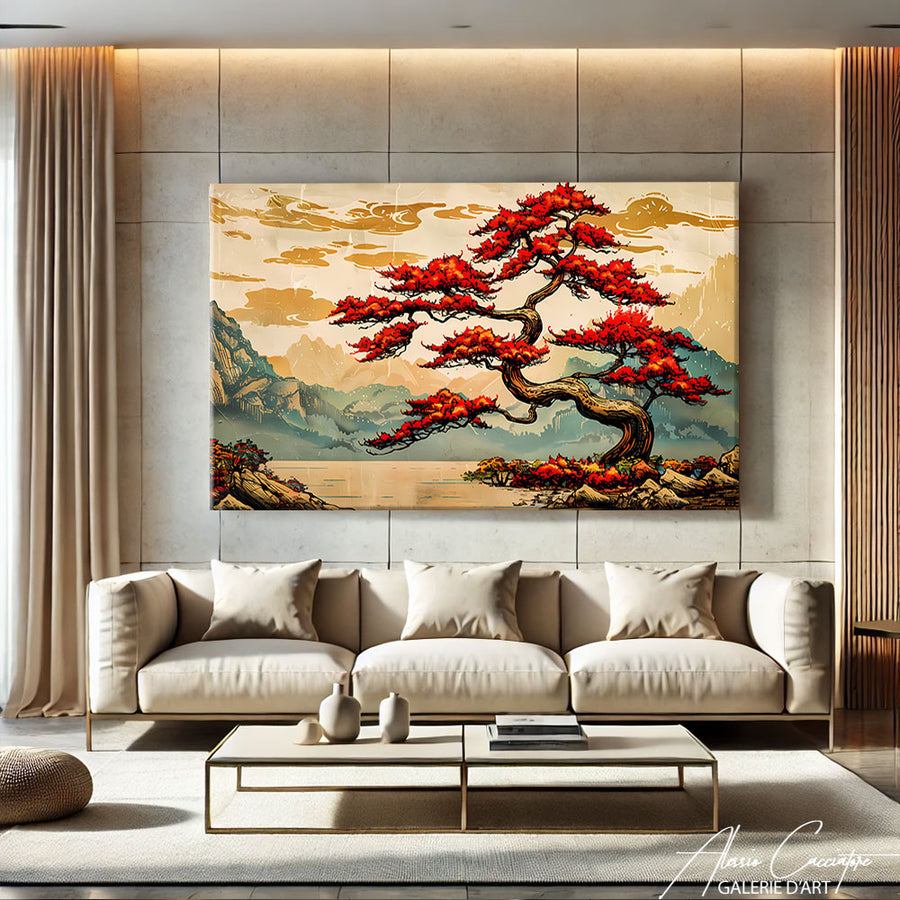
A particularly contemplative family. Japanese culture has developed a relationship with the tree that is absolutely unique in the world: the art of bonsai that miniaturizes the tree over generations, the cult of the cherry blossom, the gnarled pines of temple gardens, the red maples of Kyoto gardens, golden ginkgoes in autumn. Our compositions celebrate this dimension in varied treatments: centuries-old bonsai in a Zen composition, gnarled pine of Japanese garden inspiration, red maple in a temple garden, stylized tree of print inspiration. To be combined admirably with our Japanese cherry blossom collection to delve into the most emblematic essence of this tradition.
The tree through the four seasons
Particularly pedagogical and poetic compositions. The tree is the only decorative subject that transforms radically on the same individual throughout the year: bare and graphic in winter, tender and flowery in spring, dense and green in summer, flamboyant in autumn. This cyclical dimension inspires series compositions (diptychs, triptychs, quadriptychs) that present the same tree at different times of the year. Our compositions celebrate this dimension in varied treatments that make the tree a botanical clock visible on the wall.
The winter silhouette and the black and white tree
A particularly refined family. The bare tree of winter reveals what the foliage hides the rest of the year: the complete architecture of the branches, the lace of the fine twigs, the logic of the individual's growth. This graphic dimension lends itself admirably to black and white treatment, which erases color to keep only the structure. Our compositions celebrate this dimension in varied treatments: winter silhouette in backlighting, branches in black and white against a backdrop of mist, solitary tree in a minimalist monochrome composition, tangled branches in an almost abstract composition. To be combined admirably with our black and white collection to explore this timeless aesthetic more broadly.
The inhabited tree and the bird on the branch
Particularly lively compositions. The tree is a habitat before it is a motif: birds perched on the branches, nests in the boughs, squirrels on the trunk. These compositions add the liveliness of a host to the presence of the tree. Our compositions celebrate this dimension in varied treatments: bird perched on a flowery branch, silhouettes of birds in winter branches, nest in the foliage in spring. To be combined admirably with our bird collection to extend this ornithological universe.
The species and the ambiance determine your choice
The tree comes in several distinct decorative registers depending on the species represented and the atmosphere sought. Here are our guidelines for identifying the painting that exactly matches your project.
For a contemplative and peaceful ambiance
Favor solitary trees in the mist, willows by the water, Zen bonsai, winter silhouettes in black and white. On matte canvas that softens contrasts, these works install a quiet presence. Particularly suitable for bedrooms, offices, and meditation spaces.
For a majestic and heritage-inspired ambiance
Turn toward centuries-old oaks in majesty, millennial olive trees, sequoias in dizzying verticality, monumental baobabs. These paintings affirm strength and longevity. Particularly suitable for cultivated living rooms, entryways, and libraries.
For a graphic and Nordic ambiance
Opt for alignments of birches, winter silhouettes, minimalist compositions of trees against a neutral background. These paintings integrate admirably into Scandinavian and Japandi interiors that favor simplicity.
For a warm and Mediterranean ambiance
Choose olive trees, Tuscan cypresses, umbrella pines at sunset, fig trees. These paintings bring the light of the South and integrate admirably into interiors inspired by farmhouses or Mediterranean villas.
The tree painting, room by room
Each room calls for its ideal tree painting depending on its use and the desired atmosphere. Here are our decorative recommendations.
In a nature-inspired living room
This is probably the preferred location for a large tree painting. Above the sofa, a 120x80 cm format immediately becomes the botanical presence of the room. Favor compositions with strong character here: solitary oak in majesty, millennial olive tree, baobab at sunset, alley of birches. Above a sofa in natural linen, forest green velvet, or cognac leather that dialogues with the tree's palette, in an atmosphere punctuated by live plants and raw wood, the tree painting transforms the living room into a true extension of the garden. Our living room collection offers other complementary subjects to round out this reception universe.
In a peaceful bedroom
A configuration particularly well-suited thanks to the quiet presence of the subject. Favor contemplative compositions: tree in the mist, willow by the water, soft winter silhouette, tree in bloom in spring. 80x60 cm format above the headboard, on matte canvas that softens contrasts so as not to disturb the climate conducive to sleep.
In an office or home office
A particularly relevant configuration. The tree is probably the subject best suited to the office because it embodies exactly the qualities one seeks to cultivate at work: rootedness, patience, slow and steady growth, quiet strength. Oak in majesty, millennial olive tree, Zen bonsai, graphic silhouette in black and white. 80x60 cm format facing the desk, on matte canvas for the contemplative atmosphere.
In a welcoming entryway
An entryway placed under a tree produces an especially strong welcoming effect: the tree has always been the place where one meets, the figure of hospitality (the olive tree, the village oak, the linden tree of the square). Vertical format that naturally matches the verticality of the subject, particularly suitable for narrow spaces. To be combined admirably with our vertical collection to explore other subjects that exploit this ascending dimension.
In a stairwell
Ideal configuration. The verticality of the tree finds its natural setting in a stairwell: a redwood photographed from the ground, a slender birch, an upright cypress, an entire tree from trunk to crown. Your gaze travels up along the tree as you climb the stairs.
In a sunroom or conservatory
A particularly successful configuration. Sunrooms filled with living plants beautifully welcome tree compositions that extend the real botanical presence. Olive tree, stylized ficus, tropical tree, bonsai: all these compositions create a sense of continuity with the existing plants.
In a child's bedroom
A particularly poetic configuration. The tree is a reassuring and educational figure for a child: a four-seasons tree that teaches the cycle of the year, a tree inhabited by birds and squirrels, a stylized tree with soft colors. 60x40 cm or 80x60 cm format, on glossy plexiglass for easy cleaning.
In a professional space with a nature or wellness focus
Naturopathy and osteopathy clinics, nurseries and garden centers, rural real estate agencies, nature-minded hotels, consulting firms that cultivate an image of sustainable growth, notaries and wealth management firms (the tree being the universal symbol of intergenerational transmission): the tree wall art stands out as an obvious decorative choice.
Choosing the format to magnify the tree
The format significantly dictates the impact of a tree piece, because this subject is by nature vertical and benefits from being treated in proportions that respect this dimension.
The compact format (60x40 cm) is ideal for intimate compositions (bonsai, close-up of bark, a bird on a branch) or in series to create a cohesive tree wall: three complementary species, or the four seasons of the same tree as a quadriptych.
The medium format (80x60 cm) remains the go-to size. Suitable for all compositions, from solitary trees to rows of birches. Above a chest of drawers, as an accent in an office, or in a bedroom: it brings a defined botanical presence without overpowering the room.
The large format (120x80 cm) is particularly suited for majestic trees (centennial oak, baobab, thousand-year-old olive tree) that require scale to restore their presence. Thinking big with trees means giving them the space they naturally occupy in the landscape.
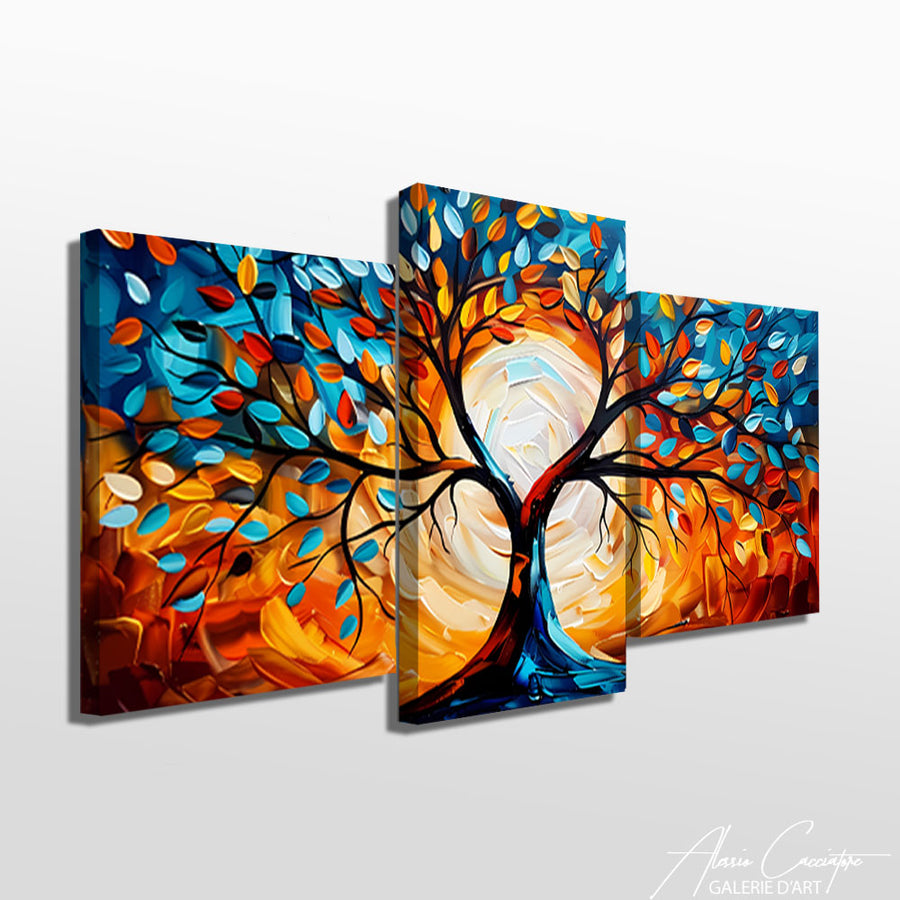
The tree triptych is a configuration particularly suited to this subject. Three panels that can feature three complementary species (oak, birch, olive), three seasons of the same tree, or a single large tree whose branches spread across the three sections. An immediately immersive effect.
The vertical format is the most naturally suited to this subject. The tree is vertical by essence, from trunk to crown, and vertical compositions beautifully exploit this dimension: full-length trees, dizzying redwoods, slender birches, upright cypresses. This is probably the format we recommend most readily for this collection.
Premium canvas or glossy plexiglass: sublimating the tree
The material determines how your tree wall art will restore the botanical quality of the subject and durably adorn your wall.
Premium canvas printing
Our canvas is hand-stretched over a 2 cm thick FSC-certified spruce wood frame. Its matte and delicately granular texture gives tree compositions a painterly quality particularly suited to contemplative atmospheres: it extends the aesthetic of great landscape artists, softens contrasts, respects mists and raking light, and its grain itself evokes the texture of bark. The spruce frame—wood from a tree—adds a discreet coherence to the subject. This is the choice we recommend for most tree compositions, particularly solitary trees, winter silhouettes, olive trees, and zen compositions.
Glossy plexiglass printing
Plexiglass provides a more contemporary and spectacular reading: its smooth and glossy finish intensifies the deep greens of summer foliage, highlights the blaze of autumn maples, and gives baobabs at sunset and redwoods seen from below an almost photographic rendering. It is particularly suitable for colorful compositions, trees of the world, children's rooms, and damp rooms (sunroom, bathroom) where it is a practical choice.
In both cases, our prints use high-definition, odorless, and solvent-free ink, which is completely safe even in a child's bedroom. The printing technology we use preserves contrast and color fidelity for several decades. Each piece is delivered ready to hang, with a mounting system included.
Matching the tree to your existing decor
The tree is one of the easiest subjects to integrate into any contemporary decor because it is present in all cultures and styles. Here are a few paths.
In a Scandinavian or Japandi interior
The perfect combination. Light wood, linen, off-white, clean lines: opt for birches, winter silhouettes, minimalist compositions of solitary trees, bonsais, and stylized trees in flat colors.
In a Mediterranean or Provençal interior
A natural configuration. Limewashed walls, terracotta tiles, weathered wood: opt for olive trees, cypresses, umbrella pines, fig trees.
In a cultured classic interior
Family furniture, wood paneling, bookcases: opt for majestic centennial oaks, remarkable trees, compositions with a romantic inspiration. The tree takes on its heritage dimension of transmission here.
In a boho and nature-inspired interior
Rattan, macramé, abundant plants, warm earth tones: opt for baobabs, tropical trees, colorful trees in contemporary compositions, or trees inhabited by birds.
In an industrial loft interior
Concrete, metal, brick: the contrast between the mineral brutality of the space and the living presence of the tree is particularly successful. Opt for black-and-white silhouettes, low-angle shots of redwoods, and graphic winter branches.
In a contemporary interior with dark walls
Against a deep green, midnight blue, or anthracite wall, a solitary tree in a bright composition or winter branches stand out with particular force. To be paired beautifully with our forest collection when you wish to extend the presence of an isolated tree toward a denser ecosystem on another wall.
Frequently asked questions about tree wall art
What is the difference between tree wall art, tree of life wall art, and forest wall art?
Our tree wall art collection is centered on the portrait of a real, botanical, non-symbolic individual plant: oak, olive, birch, baobab, willow, maple, redwood, isolated or in its landscape. The tree of life collection is centered on the universal graphic symbol—often stylized, circular, gold-toned, and laden with spirituality. The forest wall art collection is centered on the collective ecosystem: undergrowth, alignments, forest atmospheres, where no single tree is individualized. The Japanese cherry blossom collection isolates a specific species within its cultural tradition. If you are looking for the presence of a singular tree on your wall, the tree collection is better suited. If you are looking for a symbol, the tree of life. If you are looking for immersion, the forest.
Do your tree art pieces represent famous trees or copyrighted photographs?
Some of our compositions are freely inspired by iconic locations (the Wanaka tree, the Avenue of the Baobabs in Morondava, the Dark Hedges, California redwoods) without reproducing specific, identifiable photographs that would belong to their authors. Our tree art pieces are original creations that capture the spirit of these places without reproducing any specific work. Most compositions remain intentionally generic (solitary oak, olive tree, birches) to allow everyone to project the trees of their own memories onto them.
Are all your tree art pieces prints?
Yes, these are high-definition prints on premium canvas or glossy plexiglass, manufactured in our workshop in Germany. Our compositions are designed and printed with gallery quality, allowing us to offer highly refined work at an accessible price, with particular attention to the botanical accuracy of the species.
Is tree wall art suitable as a gift?
It is probably one of the most symbolically charged gifts one can offer, because the tree is universally associated with growth, rooting, and transmission. Ideal for a birth (traditionally, one plants a tree at a child's birth), a wedding, a housewarming, retirement, a parent's or grandparent's birthday, or a professional gift to celebrate a company's growth. The oak for strength, the olive for peace and longevity, the birch for renewal, the baobab for travel. The 60x40 cm format on matte canvas remains one of our most popular gifts.
Which species should I choose for each room?
Oak and olive for the living room and entryway, where their majesty and heritage dimension are fully expressed. Willow, birch, and bonsai for the bedroom and office, where their softness and simplicity soothe. The baobab and trees of the world for the dining room and reception areas, where their sense of travel nourishes conversation. The four-seasons tree and the tree inhabited by birds for a child's room, where their educational and poetic dimension accompanies discovery.
At what height should I hang tree wall art?
Center the piece at about 1.50 meters (5 feet) from the floor, the average eye level. For vertical compositions of a full-length tree, you can lower the bottom of the frame slightly so that the base of the trunk appears closer to the floor, which reinforces the impression of rooting in the room.
Are your pieces delivered ready to hang?
Yes. The canvas is delivered stretched on its frame, with hangers attached to the back. The plexiglass is delivered with its invisible mounting system. In both cases, installation takes less than five minutes.
How do I care for my tree wall art?
A quick wipe with a dry or slightly damp cloth is enough for both supports. Avoid abrasive products and prolonged exposure to direct sunlight to preserve the fidelity of the greens and light that give these compositions their presence—designed, like their subject, to endure over the years.
Questions fréquentes
Quels sont les délais de livraison ?
La livraison est offerte dans le monde entier, sous 4 à 7 jours. Vous pouvez suivre votre colis à tout moment depuis la page « Suivre le colis ».
Le tableau est-il prêt à accrocher ?
Oui, le système d'accroche est inclus. Les toiles sont tendues sur un châssis en bois d'épicéa de 2 cm (4 cm en option) et les plexiglas sont livrés avec des rails d'accroche en aluminium invisibles.
Toile ou plexiglas : quelle différence ?
La toile est une vraie toile tendue sur un châssis en bois. Le plexiglas est incassable, protégé des rayures et du vieillissement, et travaillé à la main par nos artisans en Allemagne.
Puis-je retourner mon tableau ?
Oui, vous avez 30 jours pour changer d'avis : contactez-nous par e-mail ou par le chat. Et si votre œuvre arrive abîmée, nous la réimprimons, sans retour à faire.
Livraison offerte sous 4 à 7 jours
Fabriqué à la main en Allemagne
30 jours pour changer d'avis