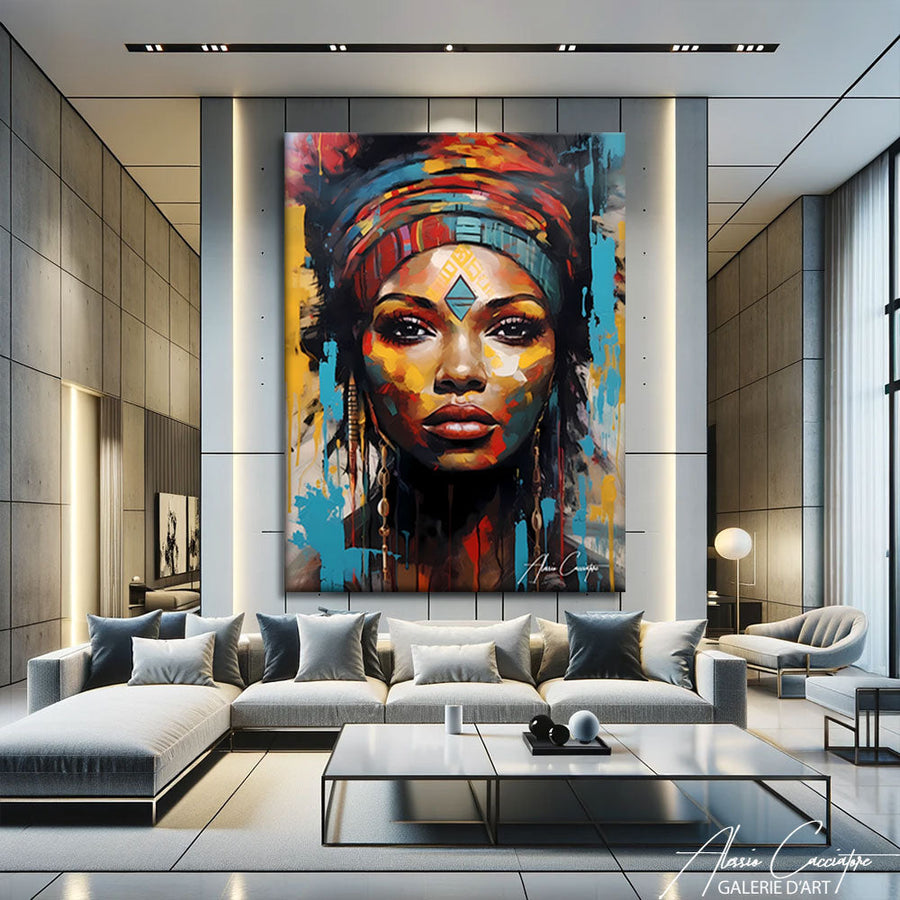

Asian Painting
28 œuvresDes œuvres en édition limitée, pensées par l'artiste pour illuminer votre intérieur.
Fait main en AllemagneLivraison offertePrêt à accrocher30 jours pour changer d'avis
-
Add to Wishlist ASIAN ZEN LANDSCAPE PAINTINGDès 89 €
-
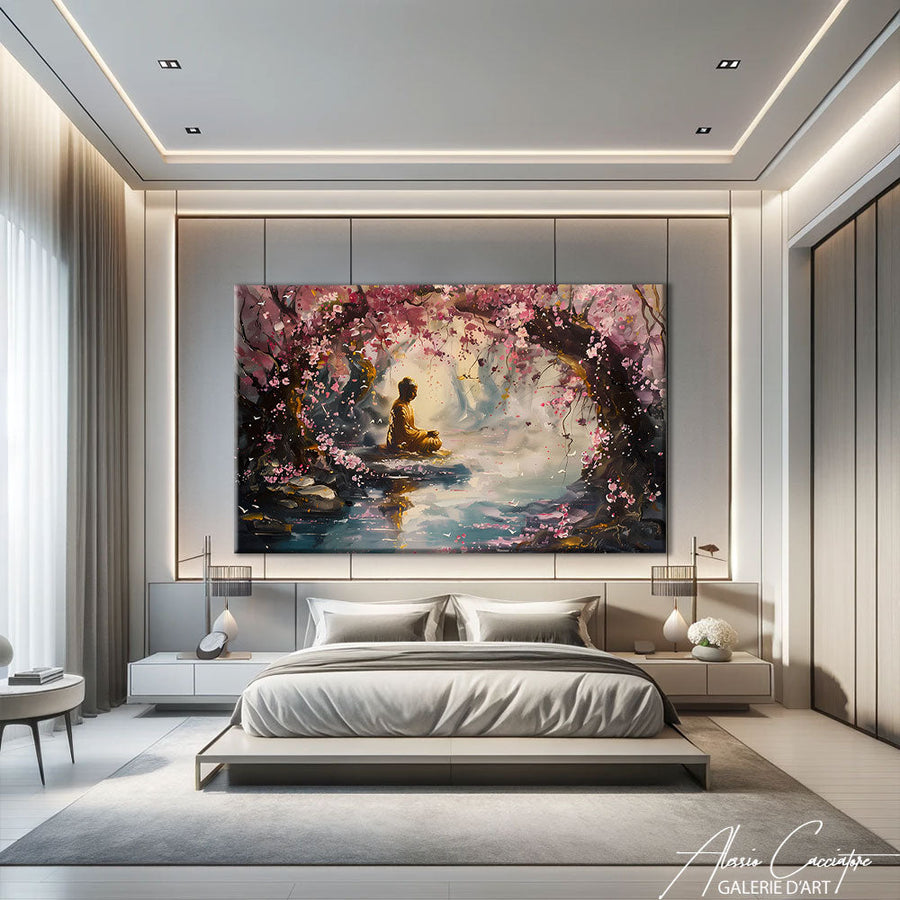
Add to Wishlist ASIAN ZEN BUDDHA PAINTINGDès 89 €
-
Add to Wishlist ASIAN DRAGON PAINTINGDès 89 €
-
Add to Wishlist ASIAN PEACOCK PAINTINGDès 89 €
-
Add to Wishlist CHINESE TIGER PAINTINGDès 89 €
-
Add to Wishlist ASIAN DECORATIVE PAINTINGDès 89 €
-
Add to Wishlist ASIAN TIGER PAINTINGDès 89 €
-
Add to Wishlist CHINESE PEACOCK PAINTINGDès 89 €
-
Add to Wishlist VIETNAM TABLEDès 89 €
-
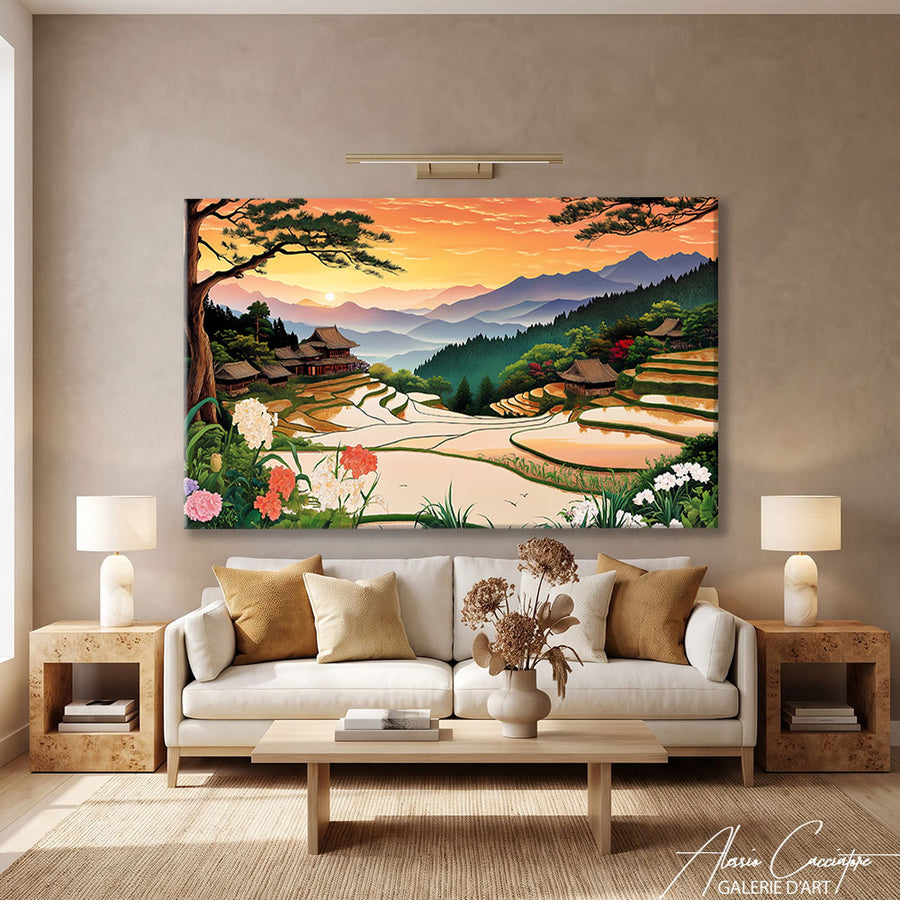
Add to Wishlist VIETNAM RICE FIELD PAINTINGDès 89 €
-
Add to Wishlist CHINESE HORSE PAINTINGDès 89 €
-
Add to Wishlist VIETNAM TABLEDès 89 €
-
Add to Wishlist VIETNAMESE PAINTINGDès 89 €
-
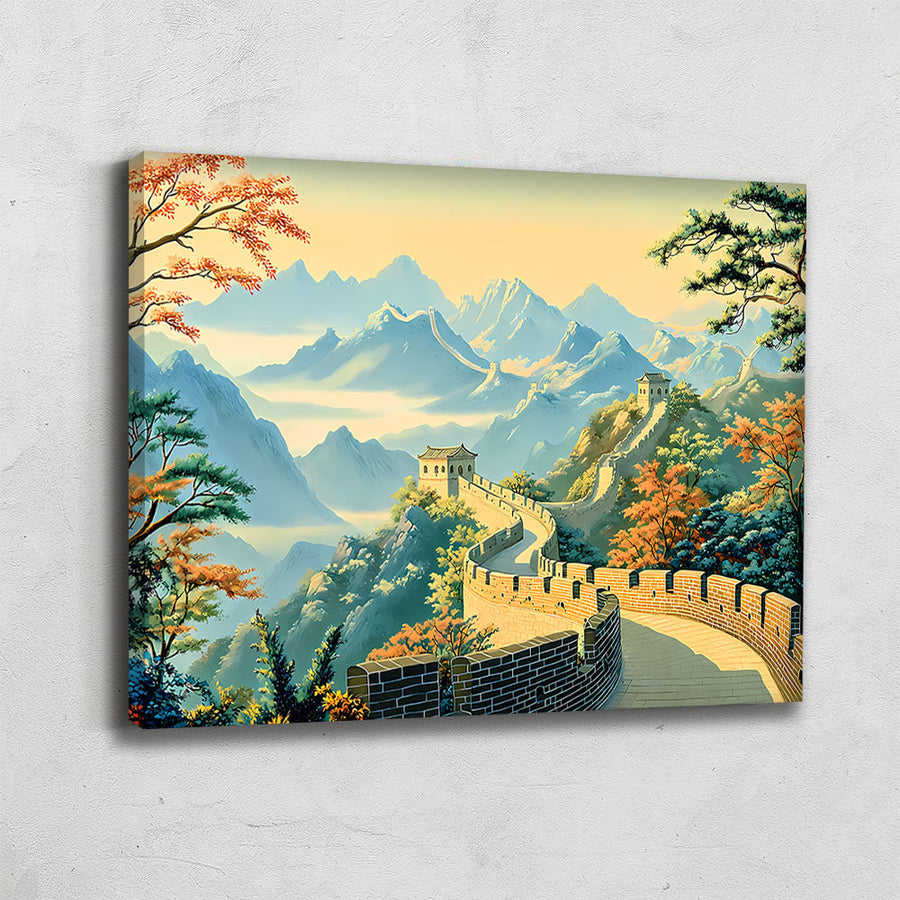
Add to Wishlist GREAT WALL PAINTINGDès 89 €
-
Add to Wishlist ASIAN PLEXIGLAS TABLEAUDès 99 €
-
Add to Wishlist VIETNAMESE WOMAN PAINTINGDès 89 €
-
Add to Wishlist ASIAN WOMAN PAINTINGDès 89 €
-
Add to Wishlist CHINESE PANDA PAINTINGDès 89 €
-
Add to Wishlist CHINESE PAINTINGDès 89 €
-
Add to Wishlist CHINESE ART PAINTINGDès 89 €
-
Add to Wishlist MODERN CHINESE PAINTINGDès 89 €
-
Add to Wishlist CHINESE LANDSCAPE PAINTINGDès 89 €
-
Add to Wishlist CHINESE DECORATIVE PAINTINGDès 89 €
-
Add to Wishlist ANTIQUE CHINESE PAINTINGDès 89 €
-
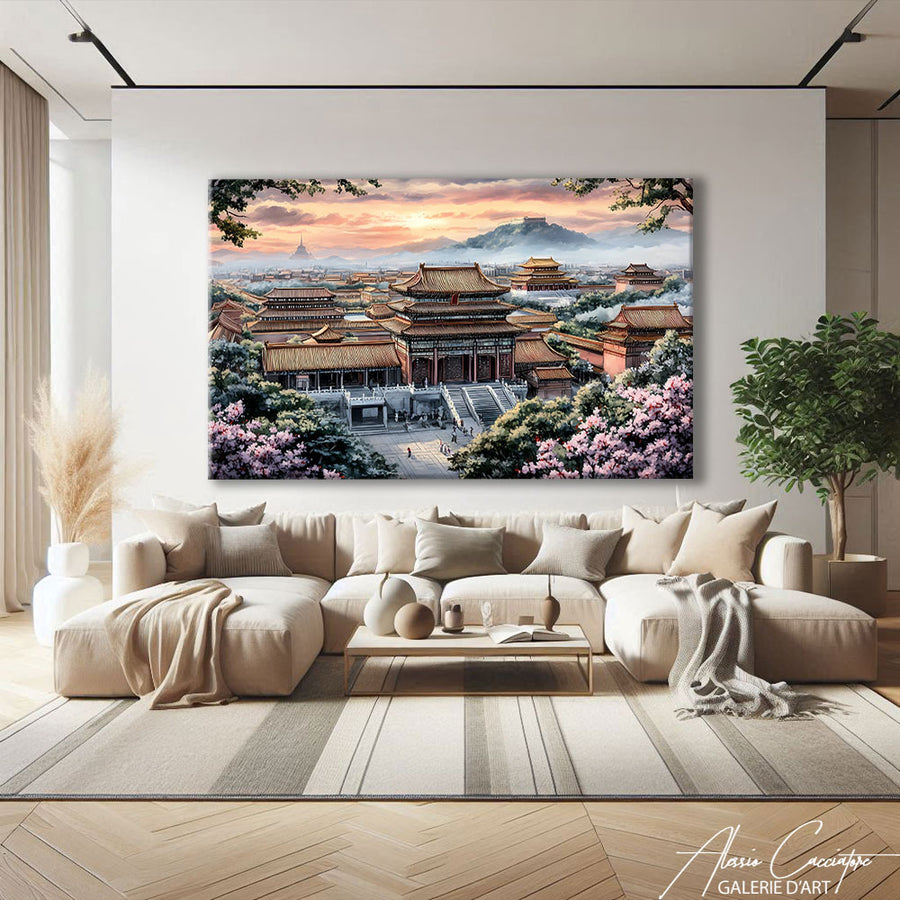
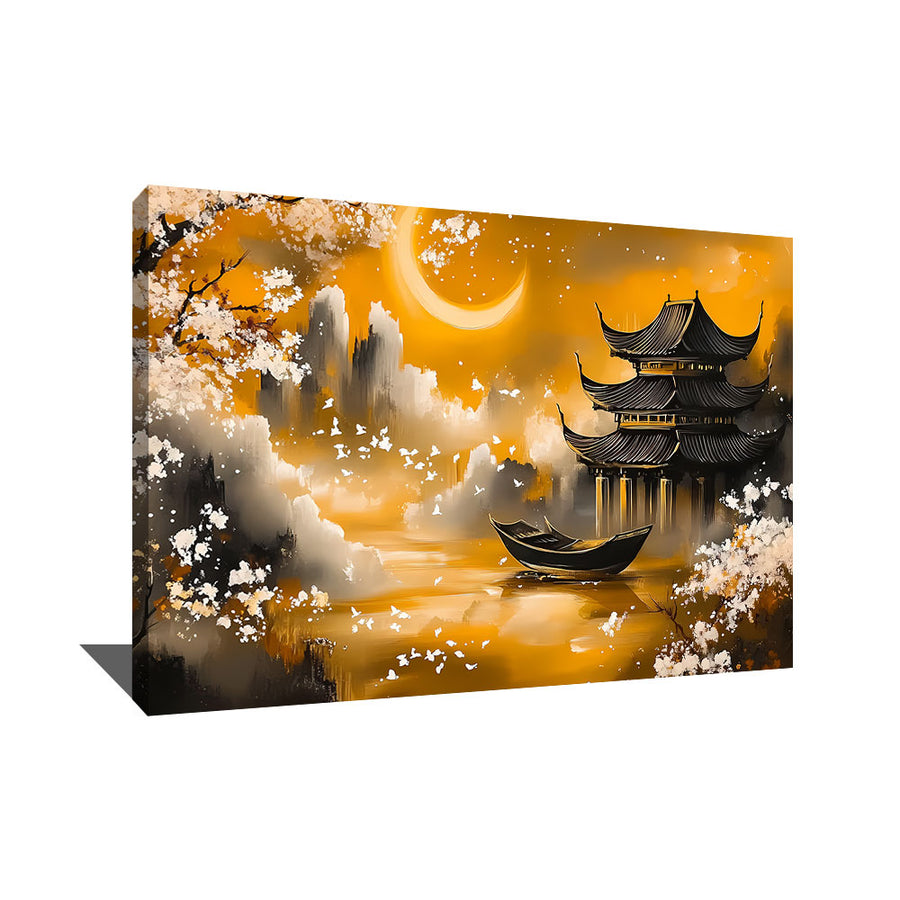
Add to Wishlist CHINESE TEMPLE PAINTINGDès 89 €
-
Add to Wishlist CHINESE LANDSCAPE PAINTINGDès 89 €
-
Add to Wishlist CHINESE STYLE PAINTINGDès 89 €
-
Add to Wishlist CHINESE DRAGON PAINTINGDès 89 €









Chargement des œuvres suivantes…
Vous avez vu 20 œuvres sur 28


Asia alone accounts for more than half of humanity and probably half of all the artistic heritage produced by our species. No other continent in the world presents such an extraordinary cultural diversity, yet coherent in a certain common oriental sensibility that crosses its countless particular expressions: refinement of Japanese minimalism, imperial majesty of millennial China, melancholic poetry of Vietnam, spiritual abundance of eternal India, subtle harmony of Korea, tropical warmth of Indonesia, intense spirituality of Himalayan Tibet. This prodigious civilizational amplitude makes Asia one of the richest decorative subjects one can choose to transform a wall, with the rare quality of offering a true intercontinental journey through the great aesthetic traditions of the world. It is precisely this continental diversity that our collection of Asian paintings brings together: a selection of wall artworks printed on premium canvas and glossy plexiglass in our workshop in Germany, chosen for their ability to transform a wall into a true journey through the great oriental civilizations, from the Pacific coasts to the Himalayan plateaus.
Japanese prints inspired by Ukiyo-e revisiting the great masters of the Edo period, Chinese calligraphies with lines of millennial elegance inherited from the Tang and Sung dynasties, Vietnamese landscapes with terraced rice fields bathed in the milky light of the Mekong Delta, portraits of Indian women in traditional costumes where each embroidery carries a codified meaning, atmospheres of Asian temples with golden domes and characteristic curved roofs, Buddhist iconographies in their cultural diversity from Tibet to Thailand, traditional Chinese motifs inspired by great Ming carpets or blue and white ceramics, contemporary Japandi aesthetics that celebrate the fertile dialogue between Scandinavian minimalism and Japanese refinement, sacred animals of Oriental mythology (Chinese dragon, Japanese crane, Chinese tiger): each painting in this gallery has been conceived as a decorative object imbued with continental wisdom, capable of becoming the visual anchor point of a traveler's spirit living room, a peaceful Japandi-inspired bedroom, a contemplative office, a space that celebrates the multifaceted cultural richness of the world's greatest cultural continent.
Why Asia holds a unique decorative place
In the history of decoration, Asia possesses a singularity that no other continent can truly claim: that of having developed absolutely unique aesthetic sensibilities, distinct from the Western tradition, while maintaining a profound cultural coherence that runs through its countless particular expressions. This coherence stems from several common traits that distinguish artistic Orient from Occident. First, it is an aesthetic of emptiness and silence, particularly developed in Chinese and Japanese traditions, where unpainted space (the Japanese ma, the breathing white of Chinese scrolls) carries as much meaning as the motif itself. Second, it is a contemplative sensibility where patient and long observation takes precedence over immediate visual impact: Asian art is deciphered slowly, meditated upon rather than consumed. Third, it is a particular relationship to time and impermanence, magnified by concepts like Japanese wabi-sabi (beauty of the imperfect and ephemeral) which structure an entire aesthetic vision of the world. Finally, it is a deep integration between art and spirituality: unlike the progressive Western separation between profane and religious art, the Asian tradition maintains a permanent dialogue between artistic practice and contemplative wisdom. For those who particularly love the Japanese aesthetic refinement in its unique cultural specificity, our Japanese collection offers an in-depth universe focused exclusively on this particular civilization.
Our selection process prioritizes three essential qualities for this multifaceted subject. First, civilizational accuracy, because each great Asian culture has its own iconographic codes that must be respected: elegance of Chinese line, economy of Japanese drawing, abundance of Indian palettes, subtlety of Vietnamese landscapes. This cultural precision distinguishes a refined work from an approximate illustration that would mix traditions. Second, mastery of regional palettes, because Asia is not monochromatically monolithic: Japan traditionally favors muted palettes (black inks, patinated golds, indigo blues), China develops sumptuous imperial reds, India saturates colors in vibrant harmonies, Vietnam nuances its landscapes in delicate pastel tones. This chromatic diversity requires precise orchestration according to the civilization represented. Finally, the symbolic dimension, because each Asian motif carries a secular symbolic charge built by the culture that adopted it: the Chinese dragon symbolizes wisdom and imperial power, the Japanese crane embodies longevity, the Indian lotus evokes purity born from mud, the Thai elephant represents protective strength. It is this cultural density that transforms an Asian painting into a true object imbued with deep meaning.
The great civilizations represented in our Asian collection
Our gallery explores the main aesthetic traditions of the Asian continent. Here are the major cultural families that make up the selection.
Japanese sensibility: the refinement of minimalism
A particularly dense family in our collection. Over its history, Japan has developed one of the most recognizable aesthetics in the world, based on strong philosophical principles (wabi-sabi, ma, mono no aware) that structure a truly unique cultural sensibility. Our compositions celebrate this tradition in various treatments: ukiyo-e prints revisiting the great masters of the Edo period, contemplative landscapes of Mount Fuji in the characteristic morning mists, portraits of geishas in traditional kimonos where each embroidered motif carries a meaning, atmospheres of Zen temples in their emblematic visual economy. On matte canvas that admirably extends the original aesthetic of ancient Japanese prints, these compositions develop a particularly refined meditative depth. To be combined with the specificity of our Japanese wave collection for those who particularly love the emblematic Hokusai iconography.
Chinese majesty: the great imperial tradition
A particularly grandiose family. China possesses one of the longest continuous artistic traditions in the world, developed uninterrupted for over three thousand five hundred years through successive dynasties (Shang, Zhou, Han, Tang, Sung, Ming, Qing) each contributing uniquely to the aesthetic heritage. Our compositions celebrate the Chinese tradition in several registers: calligraphies with lines of millennial elegance, imperial dragons in their codified ritual postures, misty mountain landscapes inspired by the great Sung scrolls, traditional blue-and-white motifs inherited from Ming porcelains, mythological phoenixes in refined compositions. This imperial dimension brings a particularly noble cultural depth to an interior, speaking to minds attached to the great classical Oriental tradition.
Vietnamese delicacy: the charm of the delta
A particularly poetic family. Vietnam offers a unique aesthetic resulting from the historical dialogue between Chinese, Khmer traditions and 19th-century French colonial influence. Its particular Mekong Delta light, its terraced rice fields of the highlands, its traditional boats with lateen sails, its atmospheres of rural villages unchanged for centuries constitute a particularly charming and little-known visual iconography in France. Our compositions celebrate this culture in various treatments: rice field landscapes in the morning mist of northern Vietnam, scenes of life in traditional delta villages, portraits of women in traditional áo dài, atmospheres of Ha Long Bay with its emblematic karstic rocks. A poetic dimension that particularly speaks to travelers marked by this fascinating destination.
Indian abundance: vibrant spirituality
A symbolically rich family. India possesses one of the most abundant aesthetic traditions in the world, marked by prodigious cultural diversity (dominant Hinduism, Mughal Islam, original Buddhism, southern Tamil culture) and by chromatically saturated palettes, absolutely unique, inherited from millennia of natural pigment use and traditional embroideries. Our compositions celebrate this diversity in various treatments: portraits of Indian women in traditional saris with richly colored embroideries, Hindu iconographies with codified attributes, sumptuous temple atmospheres, traditional Mughal or Rajput inspired motifs. These paintings bring to an interior that dimension of spiritual radiance particularly powerful characteristic of millennial Indian culture.
Buddhist and Hindu aesthetics across Asia
A particularly symbolically charged family. Buddhism and Hinduism have produced some of the richest sacred iconographies of the Asian continent, traversing several national cultures in a fascinating spiritual continuity: Theravada Buddhism in Thailand and Sri Lanka, Mahayana Buddhism in China and Vietnam, Vajrayana Buddhism in Tibet and Mongolia, dominant Hinduism in India and present in Indonesian Bali. Our compositions respect this spiritual diversity with treatments adapted to each tradition. To be admirably combined with our Buddha collection for those who particularly love this central figure, and with our mandala collection for those who appreciate sacred geometric compositions of Tibetan inspiration.
Traditional motifs and Oriental ornamentation
Particularly refined compositions. The great Asian ornamental motifs (gilded Japanese screens, Chinese or Persian inspired carpets, Thai brocades, Indonesian ikats, Indian embroideries) constitute in themselves a decorative heritage of extraordinary richness. Our compositions draw inspiration from these ornamental traditions in contemporary treatments that celebrate the formal beauty of Asian visual grammar. These paintings bring to an interior this refined dimension that celebrates millennial Oriental craftsmanship in all its technical sophistication.
Sacred and mythological Asian fauna
A particularly prominent family in our collection. Asian mythology has produced an absolutely unique animal iconography: majestic Chinese dragon in its symbolism of imperial wisdom, Chinese tiger emblem of protective strength, Japanese crane symbol of longevity, Chinese phoenix that is eternally reborn, Japanese koi symbol of perseverance, Thai elephant with precious ornaments. Our compositions celebrate this sacred fauna in varied treatments that respect the symbolic charge of each species. A culturally charged animal dimension that particularly speaks to lovers of Oriental mythology.
Japandi aesthetic: the contemporary East-North dialogue
A particularly current family in our collection. The Japandi aesthetic, this fertile blend of Scandinavian minimalism and Japanese refinement that has largely dominated contemporary decorative trends since around 2018, offers a new Asian sensibility adapted to Western sensitivities. Soothed palette, light woods, subtle motifs, economy of means: this hybrid aesthetic celebrates the universality of minimalist beauty across cultural borders. Our Japandi compositions bring to an interior this current signature particularly in resonance with today's major decor trends, to be admirably combined with our Zen collection for those who particularly love the peaceful oriental atmosphere.
The great modern Asian destinations
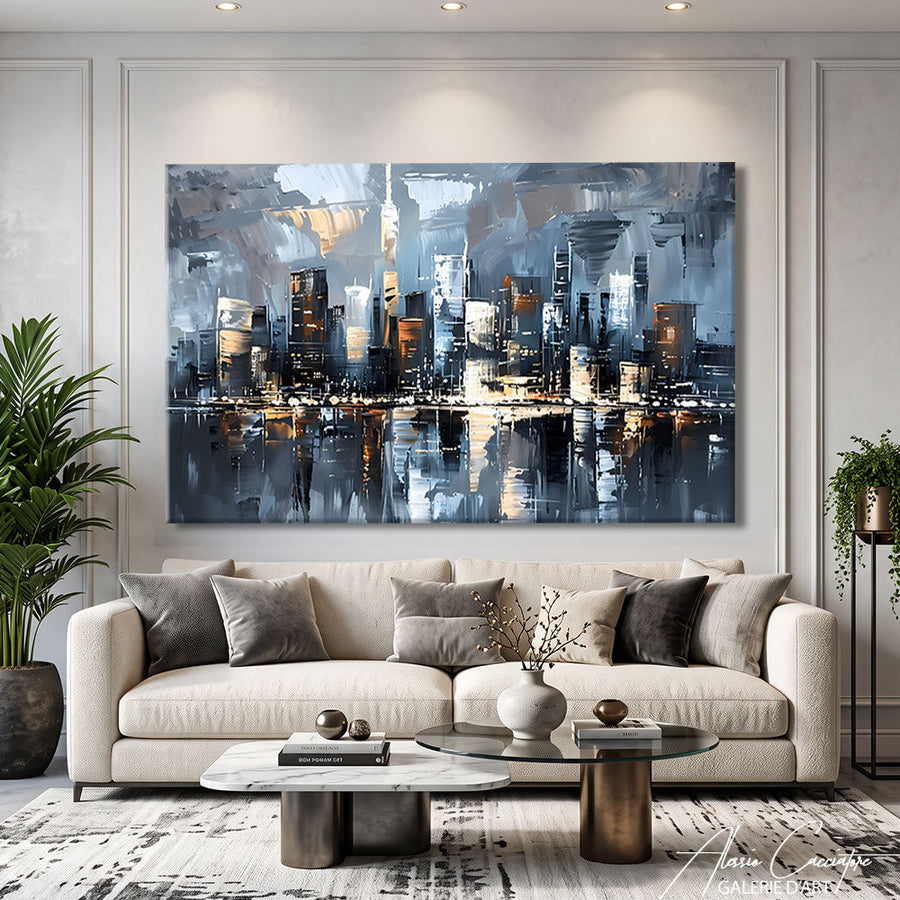
Particularly contemporary compositions. Beyond historical aesthetic traditions, modern Asia offers powerful decorative iconographies: iconic Asian skyscrapers in Tokyo, Shanghai, Hong Kong or Singapore, neon-lit cyberpunk-inspired night street atmospheres, floating markets in Vietnam or Thailand, tropical beaches of Asian islands. This contemporary Asia, magnified by international cinema and recent major fashion campaigns, offers a fresh iconography that admirably extends historical traditions into current visual language.
Ambience and culture determine your Asian choice
Asia comes in several decorative registers depending on the culture represented and the desired atmosphere. Here are our benchmarks for identifying the painting that perfectly matches your project.
For a contemplative and minimalist atmosphere
Favor minimalist Japanese compositions, misty Chinese landscapes, and contemporary Japandi aesthetics with soothing palettes. On matte canvas, which softens contrasts and creates a pictorial softness worthy of classic Asian art prints, these works are admirably suited for peaceful bedrooms, hushed living rooms, meditation studios, and spaces that prioritize expressive restraint over chromatic affirmation. A decoration that celebrates the beauty of inhabited silence characteristic of classical Oriental sensibility.
For an imperial and sumptuous ambiance
Turn to Chinese compositions with majestic dragons, Indian iconographies with saturated palettes, and traditional motifs with patinated golds. On glossy plexiglass, which intensifies the brilliance of imperial reds and traditional gilding, these paintings bring an immediate sumptuous presence. Particularly suited for cultured living rooms that embrace a noble dimension, for spaces that celebrate the great classical Oriental tradition, and for charming oriental-inspired boutique hotel interiors.
For a poetic and travel-inspired atmosphere
Opt for Vietnamese landscapes of terraced rice fields, scenes of life in traditional villages, and atmospheres of rural villages unchanged for centuries. These paintings bring a cultivated travel atmosphere particularly suited for traveler-spirited living rooms, entrances that demonstrate a culture open to the world, and spaces that cultivate a poetic dimension of elsewhere in urban daily life.
For a spiritual and meditative atmosphere
Choose Buddhist compositions, Tibetan mandalas, respectfully treated Hindu iconographies, and representations of Buddha in contemplative meditation. These paintings assert a distinct spiritual dimension and integrate admirably into meditation spaces, yoga studios, and personal contemplative corners, to be admirably combined with our spiritual collection to structure a coherent universe around the meditative dimension.
The Asian painting, piece by piece
Each room calls for its ideal Asian painting according to its use and the desired atmosphere. Here are our decorative recommendations.
In a travel-inspired or Japandi living room
This is probably the preferred location for a large Asian painting. Above the sofa, a 120x80 cm format immediately becomes the cultural signature of the room. Here, favor compositions with strong civilizational character: monumental Ukiyo-e Japanese print, immersive misty Chinese landscape, imperial dragon in a dramatic composition, sumptuous Indian portrait. Above a sofa in neutral tones that dialogues with Asian palettes, in a refined atmosphere punctuated by oriental-inspired objects, the Asian painting transforms the living room into a true extension of an assumed travel culture.
In a peaceful Japandi-inspired bedroom
A particularly suitable configuration. The Japandi aesthetic applied to bedrooms is one of the strongest decor trends of recent years: a calm natural palette, light wood furniture, ecru textiles, discreet presence of live plants. The Asian painting naturally fits into this universe. Favor peaceful compositions: misty Japanese landscape, cherry blossom in a delicate composition, graphic motif with chromatic economy. A 80x60 cm format above the headboard, on matte canvas for the characteristic atmosphere.
In a yoga studio or meditation corner
A case where the Asian painting resonates particularly. The historically anchored spiritual dimension of the subject, its characteristic contemplative atmosphere, its generally subdued palette make it the ideal subject for these dedicated spaces. Favor the most meditative compositions: Buddha in a meditation posture, Tibetan mandala, peaceful Zen landscape. Medium or large format depending on the dimensions of the space, on matte canvas for the characteristic atmosphere.
In a contemplative or creative office
The Asian painting brings to the professional office this deep cultural dimension that breaks corporate neutrality. Particularly suitable for professionals sensitive to great oriental traditions, consultants who practice yoga or meditation themselves, creatives who like their workspace to reveal their cultivated sensitivities. Medium format 80x60 cm, elegant composition in a subdued palette, on matte canvas for pictorial elegance.
In an Asian spa-inspired bathroom
A strong contemporary trend: the bathroom transformed into an oriental-inspired wellness sanctuary. Asian art finds a perfect resonance in this space: a calming Zen composition, a refined mandala, a meditating Buddha. Plexiglas is essential for resistance to the intense humidity of this room. Medium format, a palette that complements the essential oils and scented candles of the spa environment.
In an Oriental-style conservatory or winter garden
A particularly successful configuration. Light-filled conservatories, orangeries converted into living spaces, and winter gardens filled with tropical plants admirably welcome large Asian compositions. Vietnamese landscape views, Japanese temple atmospheres, traditional Chinese garden scenes: all compositions that extend the already present plant dimension in the space.
In a travel-themed entrance hall
An entrance placed under an Asian composition creates a particularly striking effect. Your guest walks through the door and is immediately transported to the East. A Japanese temple, refined Chinese calligraphy, a sumptuous Indian portrait: the first impression is one of a home that embraces its travel culture and its openness to the Asian world.
In a professional space with an Oriental or wellness focus
High-end Asian restaurants, traditional Chinese tea houses, Oriental craft shops, acupuncture clinics, yoga studios, Asian-inspired spas, travel agencies specializing in Oriental destinations: Asian art is an obvious decorative choice. Opt for large, imposing formats and compositions with a strong cultural signature that immediately convey the Oriental identity of the place.
Choosing the format to enhance the Asian spirit
The format particularly determines the effect of an Asian painting, because this subject requires precise adaptation to the contemplative nature characteristic of the subject.
The compact format (60x40 cm) is ideal for intimate compositions (refined Chinese calligraphy, close-up of a traditional detail, portrait in a refined composition) or in a series of three to create a coherent Asian gallery wall (e.g., three major cultures represented, three moments of a landscape, three complementary prints). Particularly successful when hung in alignment, reminiscent of Oriental museographic traditions.
The medium format (80x60 cm) remains the versatile size. Suitable for all compositions, from cultural portraits to contemplative landscapes and traditional motifs. Above a chest of drawers, as a decorative accent in an office, in a Japandi bedroom: it provides a strong presence without dominating the room.
The large format (120x80 cm) is particularly suitable for immersive compositions (panoramic Asian landscapes, imperial Chinese scenes, sumptuous Indian iconography) that require grandeur to fully deploy their characteristic contemplative dimension.
The Asian triptych is a configuration particularly well-suited to this multifaceted subject. Three panels that can feature three complementary Asian cultures (Japan, China, India), three moments of a traditional landscape, or a continuous composition inspired by an oriental screen. This immediately structuring effect transforms a large wall into a true continental scenography, to be combined with our abstract collection for those who enjoy mixing decorative styles.
The vertical format particularly enhances compositions where verticality embraces the traditional dimension of Asian scrolls: Chinese calligraphy in a longitudinal composition, a towering Japanese cherry tree, a cultural portrait in vertical majesty. Ideal between two pieces of furniture, next to a door, in a stairwell where the vertical momentum extends the tradition of Oriental vertical scrolls (Japanese kakejiku).
Premium canvas or glossy plexiglass: sublimating Oriental aesthetics
The medium determines how your Asian artwork will convey the contemplative quality of the subject and permanently adorn your wall. For this subject with varied aesthetic registers, the choice deserves particular attention depending on the chosen register.
Premium canvas print
Our canvas is hand-stretched over a 2 cm thick FSC-certified spruce wood frame. Its matte and delicately textured surface gives Asian compositions a particularly successful pictorial quality for traditional Japanese aesthetics, misty Chinese landscapes, serene Japandi compositions, and delicate motifs in a subdued palette. It softens contrasts and gives the inks that velvety quality associated with fine rice paper prints or ancient woodblock prints. This is probably the ideal choice for most contemplative Asian compositions, particularly suitable for Japandi bedrooms and cozy living rooms. A finish that admirably extends the original aesthetic of the great Oriental pictorial traditions.
Glossy plexiglass print
Plexiglass offers a particularly suitable alternative for Asian compositions with vibrant chromatic dominants: Indian iconography with saturated palettes, imperial Chinese compositions with deep reds and sumptuous golds, mythological dragons with dramatic treatments. Its smooth and glossy finish intensifies the brilliance of the golds, enhances the vibrancy of traditional palettes, and gives compositions an almost photographic rendering that is particularly spectacular. On a saturated Indian composition or an imperial Chinese dragon, the effect is striking.
In both cases, our prints use high-definition, odorless, solvent-free ink, perfectly safe even in a child's bedroom. The printing technology we use preserves contrasts and color fidelity for several decades. Each painting is delivered ready to hang, including the hanging system.
Marrying Asia with your existing decor
Asian aesthetics beautifully complement several contemporary decorative styles. Here are some ideas based on your style.
In a Japandi or Scandinavian interior
The most trending combination currently. Light woods, ecru textiles, a calming natural palette, clean lines, discreet presence of living plants: this decorative universe dominating contemporary trends admirably welcomes minimalist Asian compositions. Opt for minimalist Japanese aesthetics, contemporary Japandi compositions, and contemplative landscapes in a subdued palette. An immediately perceptible stylistic coherence that celebrates the return to aesthetic fundamentals, particularly popular today.
In an Asian boho or spiritual interior
Ethnic textiles, a natural palette enriched with saturated touches, the presence of tropical plants, subdued oriental-inspired lighting, a controlled accumulation of objects brought back from travels in Asia: bohemian aesthetics admirably welcome diverse Asian compositions. Particularly successful are contemplative Buddhist iconography, Tibetan mandalas, and poetic Vietnamese landscapes. A stylistic coherence that celebrates the oriental spiritual journey in all its forms, to be combined with the soothing atmosphere of our Bali collection.
In a contemporary design interior
For design interiors (neutral walls, minimalist furniture, clean lines), choose the most graphic Asian compositions: Chinese calligraphy in a minimalist composition, Japanese print in a modern treatment, traditional motif with chromatic economy. These treatments allow Asia to enter demanding design decors without breaking the overall aesthetic of the place.
In a modernized classic interior
More unexpected but magnificent. Revisited family furniture, a subdued palette, light wood paneling, noble materials: this universe admirably welcomes traditional Asian compositions. Refined portrait compositions, classic Chinese-inspired landscapes, traditional ornamental motifs: all works that bring this refined cultural dimension to the classic European interior. A particularly successful harmony that celebrates the historical dialogue between great decorative traditions.
In an urban and contemporary loft
Polished concrete, black metal, exposed brick, reclaimed vintage furniture: these raw materials beautifully interact with contemporary Asian compositions, particularly modern treatments of major iconographies, urban compositions of Asian megacities, and neon-lit cyberpunk-inspired atmospheres. The contrast between raw urbanity and Asian cultural depth creates a particularly successful visual tension.
In a Mediterranean or Provencal interior
Whitewashed walls, terracotta tiles, patinated wooden furniture, colorful ceramics: this decorative universe beautifully interacts with Asian compositions in a subdued palette, particularly serene Japanese aesthetics and misty Chinese landscapes. An unexpected harmony that celebrates improbable cultural encounters.
Frequently asked questions about Asian art prints
What's the difference between an Asian art print and a Japanese art print?
Our Asian art print collection is an umbrella collection that showcases the diversity of major Oriental civilizations: Japan, China, Vietnam, India, Korea, Thailand. Our Japanese art print collection specifically focuses on this particular civilization. If you are looking for a specifically Japanese work, the dedicated Japanese collection is better suited. If you are looking for a print that more broadly celebrates Asia in its continental diversity, the Asian collection is more appropriate.
Are all your Asian art prints impressions?
Yes, they are high-definition prints on premium canvas or glossy plexiglass, manufactured in our workshop in Germany. Our compositions are designed and printed with gallery quality, allowing us to offer a highly refined work at an affordable price, without compromising on the quality of color rendering and cultural precision that particularly characterize this subject with high aesthetic demands.
Is an Asian art print suitable as a gift?
It is a particularly refined gift, ideal for travelers deeply impacted by a stay in Asia, yoga and meditation practitioners, lovers of Oriental culture, and those sensitive to Asian aesthetic refinement. The strong emotional dimension of the subject makes it a lasting present. The 60x40 cm format on matte canvas remains one of our most popular choices for these occasions, especially the calming Japandi-inspired compositions that universally appeal.
How can I respect the represented culture when choosing a print?
This is a central question for a respectful choice. We recommend choosing a print that reflects the Asian culture to which you feel personally connected (either by ancestry, a significant trip, or intellectual or spiritual affinity) rather than a superficial accumulation of mixed Oriental motifs. A Japanese print in an interior that appreciates Japanese culture, an Indian print for someone who practices Indian-inspired yoga, a Chinese print for a lover of Chinese calligraphy: this cultural coherence is more respectful and decoratively more successful than an indistinct mix of traditions.
What composition should I choose for a Japandi interior?
For this trendy aesthetic that currently dominates chic decor, favor the most minimalist compositions: misty Japanese landscape, Chinese calligraphy in a minimalist composition, traditional motif with chromatic economy, delicate cherry blossom in watercolor. Avoid overly saturated compositions (flamboyant Indian iconography, dramatic Chinese dragons) that could break the characteristic sobriety of the style. The calming natural palette (light wood, ecru, soft grey, indigo touches) is probably the most universally successful choice for this specific decorative universe.
At what height should I hang an Asian art print?
Center the print at approximately 1.50m from the floor, which is average eye level. For traditional vertical compositions inspired by Japanese kakejiku scrolls that exploit verticality, this height is particularly well suited. Above a sofa, leave 20 to 30 cm between the top of the backrest and the bottom of the frame for a balanced visual harmony that respects the characteristic contemplative dimension of the subject.
Are your art prints delivered ready to hang?
Yes. The canvas is delivered stretched on its frame, with hooks attached to the back. The plexiglass is delivered with its invisible hanging system. In both cases, installation takes less than five minutes.
How do I care for my Asian art print?
A dry or slightly damp cloth is sufficient for both media. Avoid abrasive products and prolonged exposure to direct sunlight to preserve the fidelity of the delicate palettes and patinated golds that make up the charm of these culturally rich compositions.
Questions fréquentes
Quels sont les délais de livraison ?
La livraison est offerte dans le monde entier, sous 4 à 7 jours. Vous pouvez suivre votre colis à tout moment depuis la page « Suivre le colis ».
Le tableau est-il prêt à accrocher ?
Oui, le système d'accroche est inclus. Les toiles sont tendues sur un châssis en bois d'épicéa de 2 cm (4 cm en option) et les plexiglas sont livrés avec des rails d'accroche en aluminium invisibles.
Toile ou plexiglas : quelle différence ?
La toile est une vraie toile tendue sur un châssis en bois. Le plexiglas est incassable, protégé des rayures et du vieillissement, et travaillé à la main par nos artisans en Allemagne.
Puis-je retourner mon tableau ?
Oui, vous avez 30 jours pour changer d'avis : contactez-nous par e-mail ou par le chat. Et si votre œuvre arrive abîmée, nous la réimprimons, sans retour à faire.
Livraison offerte sous 4 à 7 jours
Fabriqué à la main en Allemagne
30 jours pour changer d'avis