
Cafe Board
27 œuvresDes œuvres en édition limitée, pensées par l'artiste pour illuminer votre intérieur.
Fait main en AllemagneLivraison offertePrêt à accrocher30 jours pour changer d'avis
-
Add to Wishlist TABLE WITH COFFEE CUPDès 89 €
-
Add to Wishlist CAFE KITCHEN TABLEDès 89 €
-
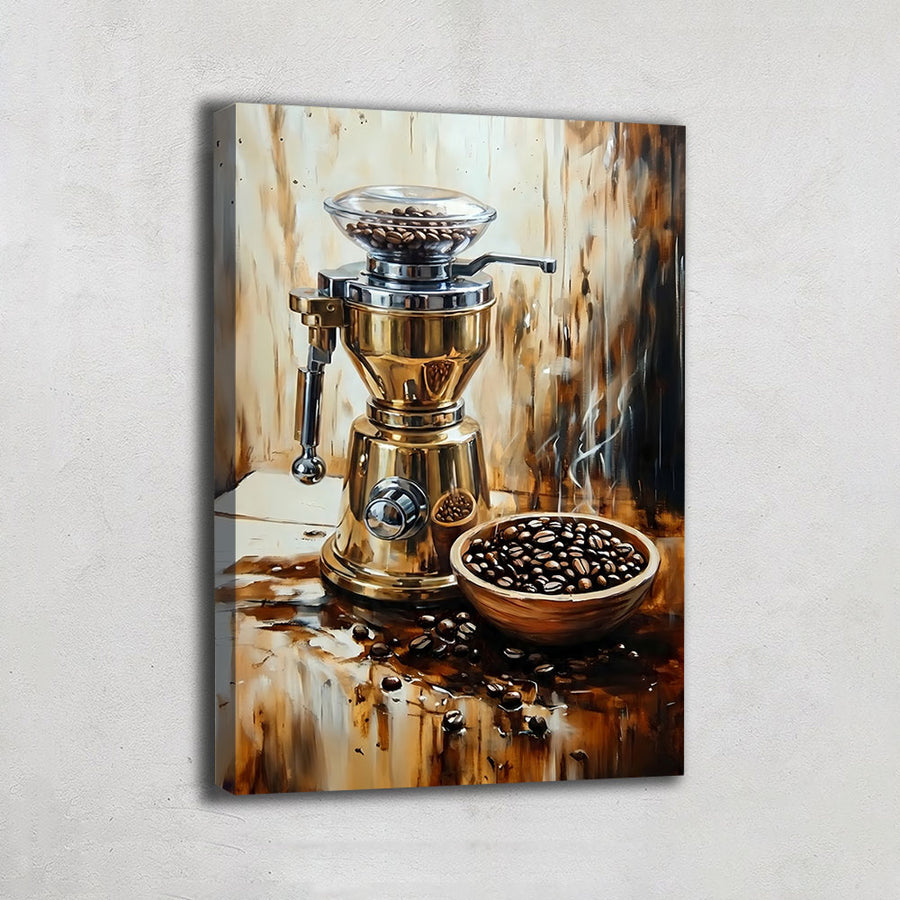
Add to Wishlist COFFEE BEAN PAINTINGDès 89 €
-
Add to Wishlist COFFEE TABLEDès 89 €
-
Add to Wishlist COFFEE DECORATION SIGNDès 89 €
-
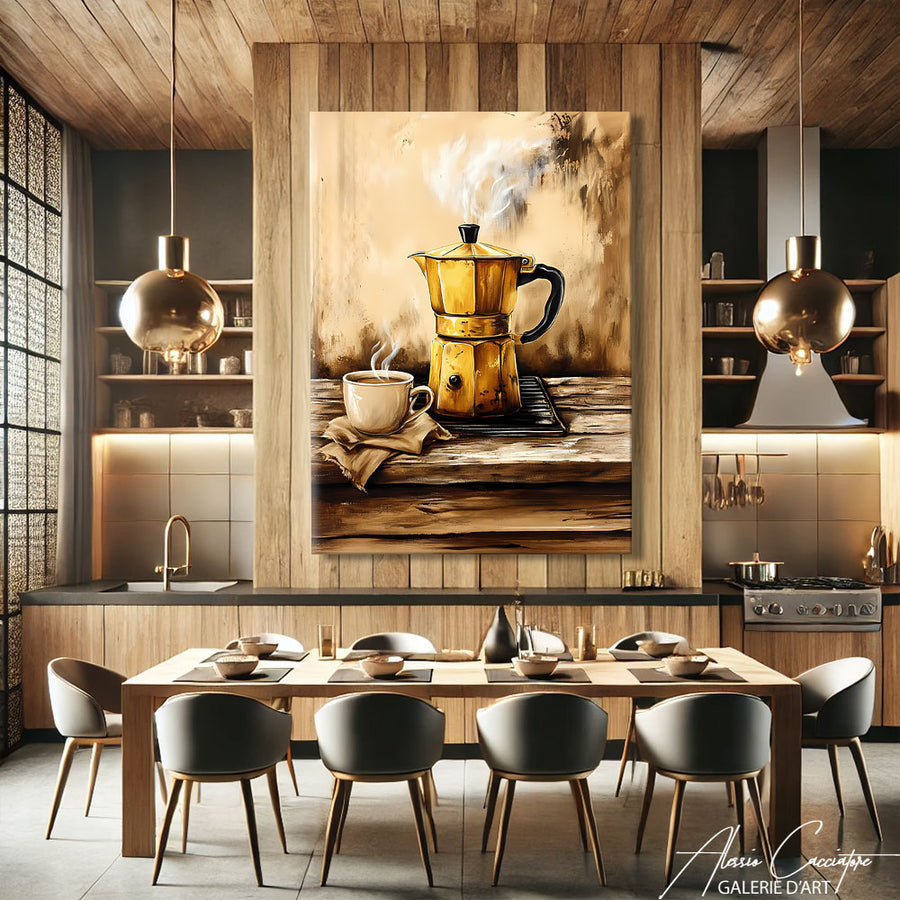
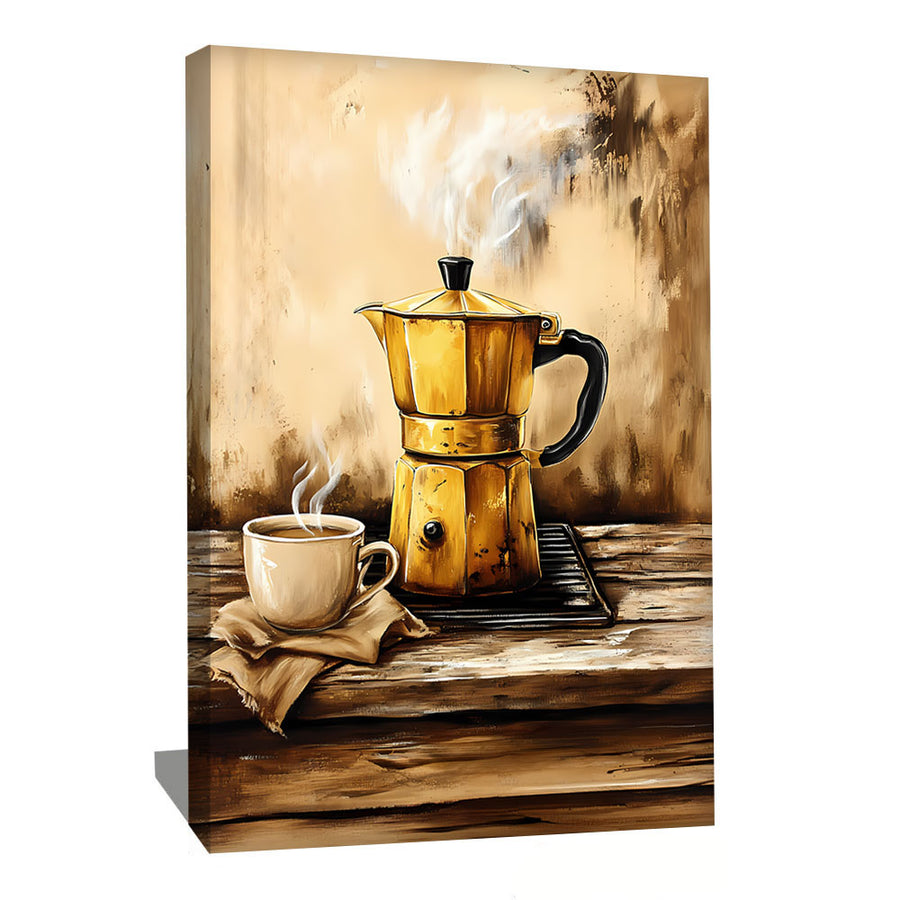
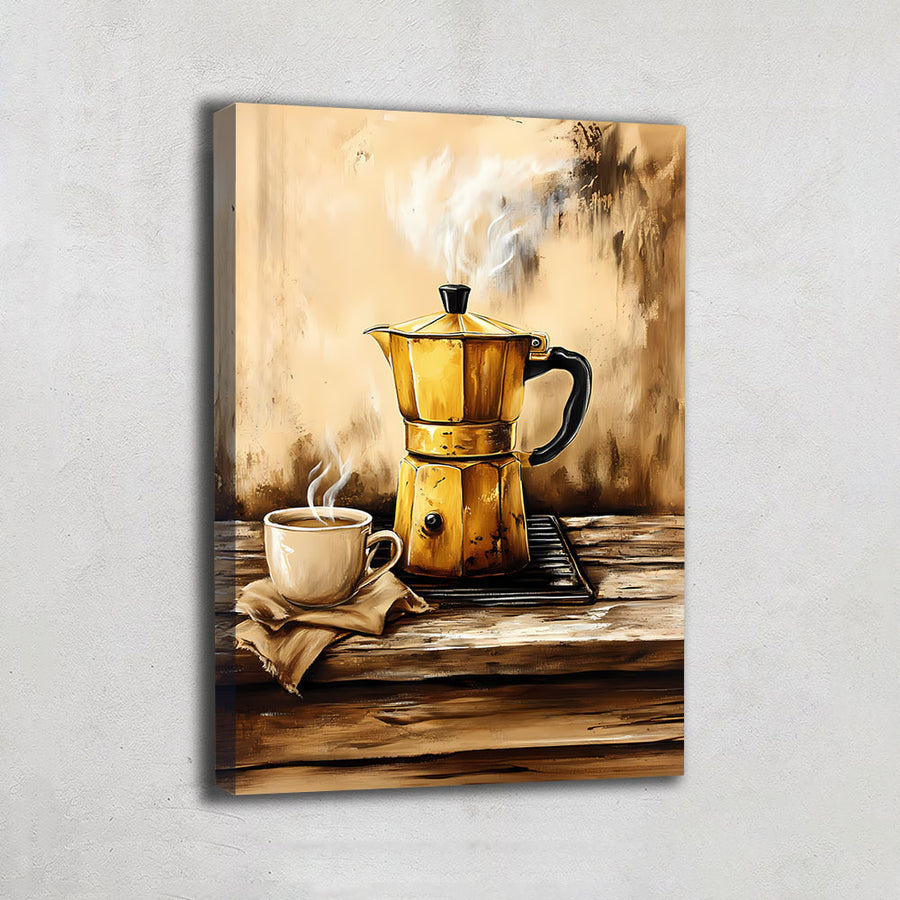
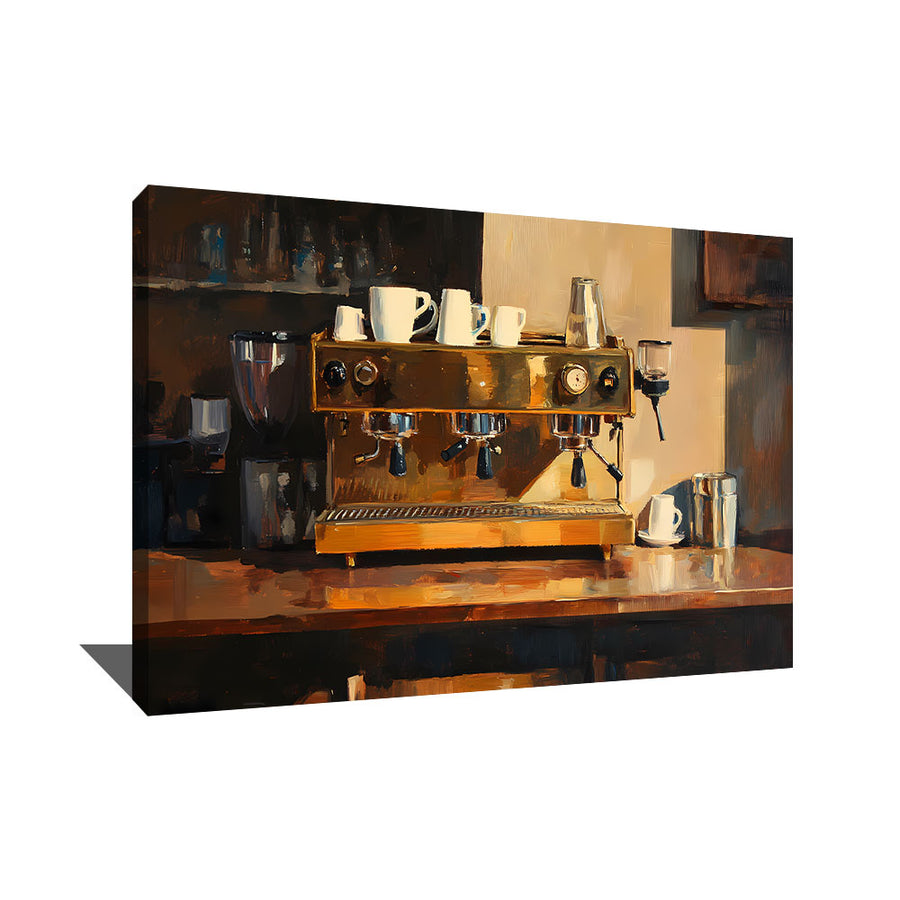
Add to Wishlist ITALIAN COFFEE MAKER TABLEDès 89 €
-
Add to Wishlist COFFEE MAKER KITCHEN TABLEDès 89 €
-
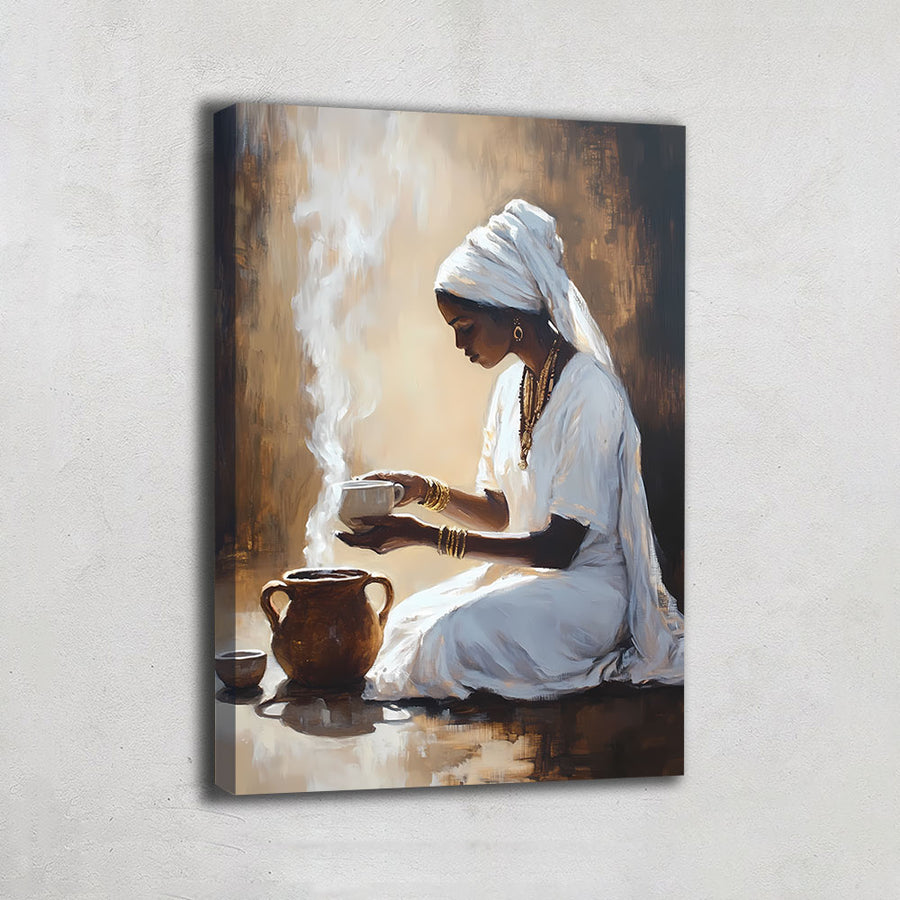
Add to Wishlist WOMAN AT CAFE PAINTINGDès 89 €
-
Add to Wishlist COFFEE MAKER CHARTDès 89 €
-
Add to Wishlist COFFEE BARISTA CHARTDès 89 €
-
Add to Wishlist KITCHEN CAFE TABLEDès 89 €
-
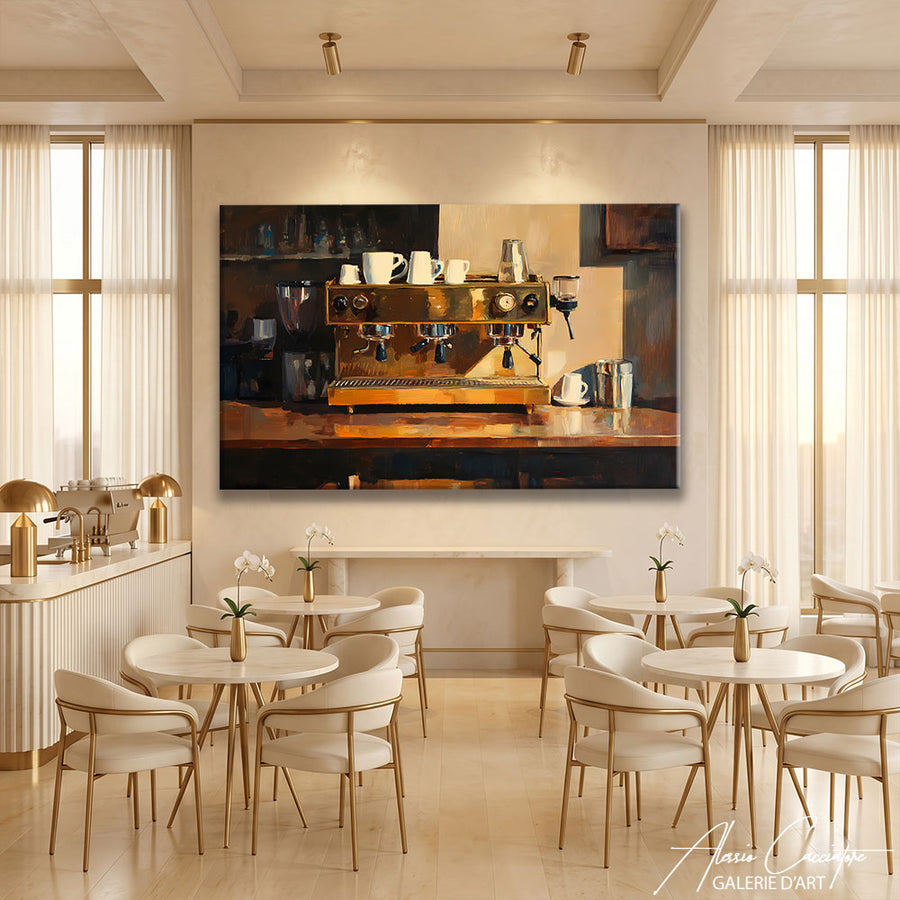
Add to Wishlist COFFEE MACHINE TABLEDès 89 €
-
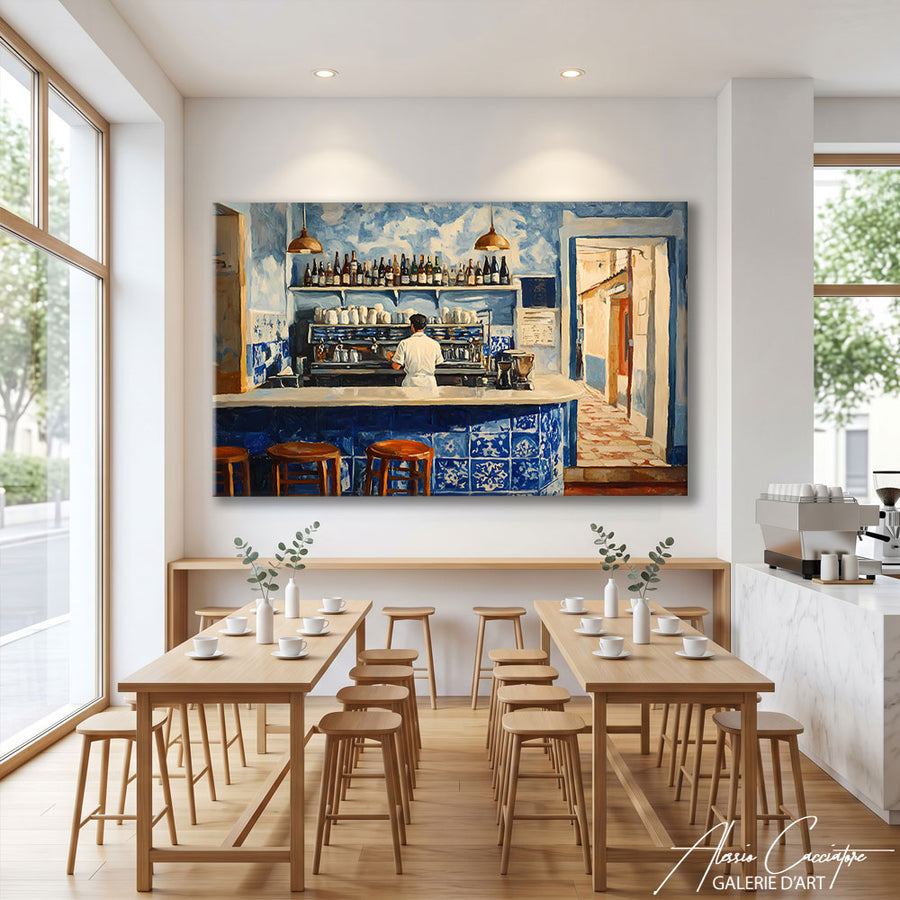
Add to Wishlist CAFE BAR TABLEAUDès 89 €
-
Add to Wishlist COFFEE TABLEDès 89 €
-
Add to Wishlist MODERN COFFEE PAINTINGDès 89 €
-
Add to Wishlist POP ART COFFEE PAINTINGDès 89 €
-
Add to Wishlist COFFEE TABLEAUDès 89 €
-
Add to Wishlist CAFE KITCHEN TABLEDès 89 €
-
Add to Wishlist CAFÉ WALL CHARTDès 89 €
-
Add to Wishlist LION CAFE PAINTINGDès 89 €
-
Add to Wishlist MINIMALIST COFFEE PAINTINGDès 89 €
-
Add to Wishlist POP ART COFFEE PAINTINGDès 89 €
-
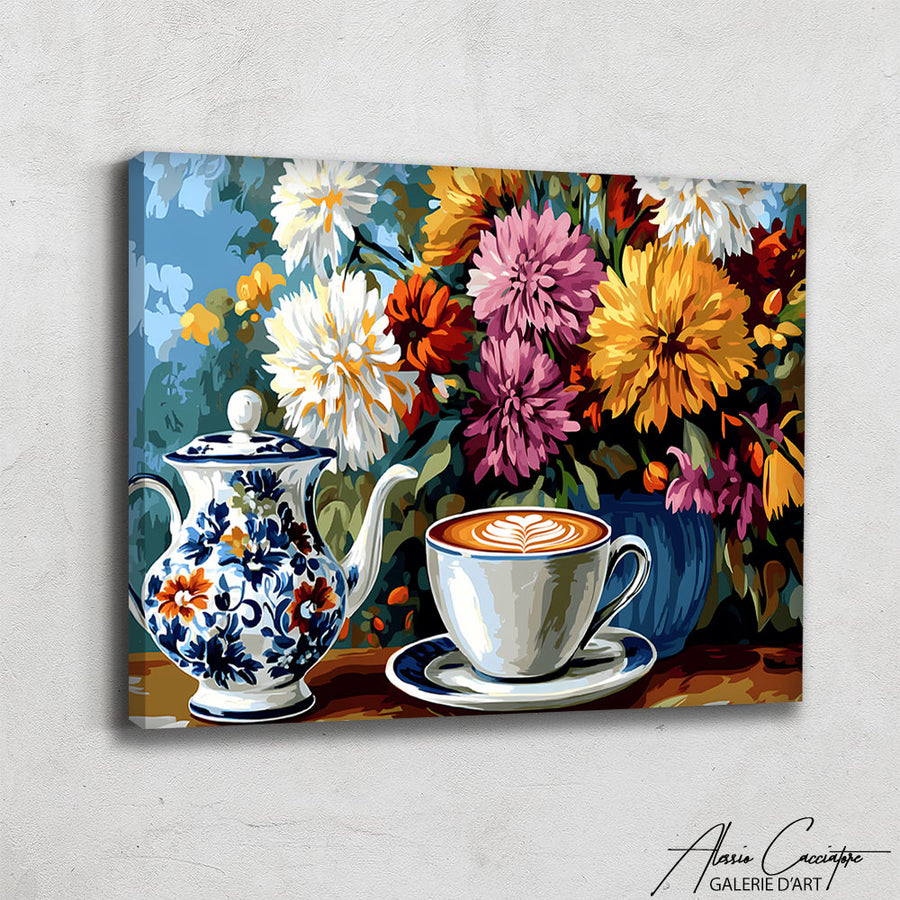
Add to Wishlist COFFEE CUP PAINTINGDès 89 €
-
Add to Wishlist ABSTRACT COFFEE CUP PAINTINGDès 89 €
-
Add to Wishlist PARISIAN CAFÉ PAINTINGDès 89 €
-
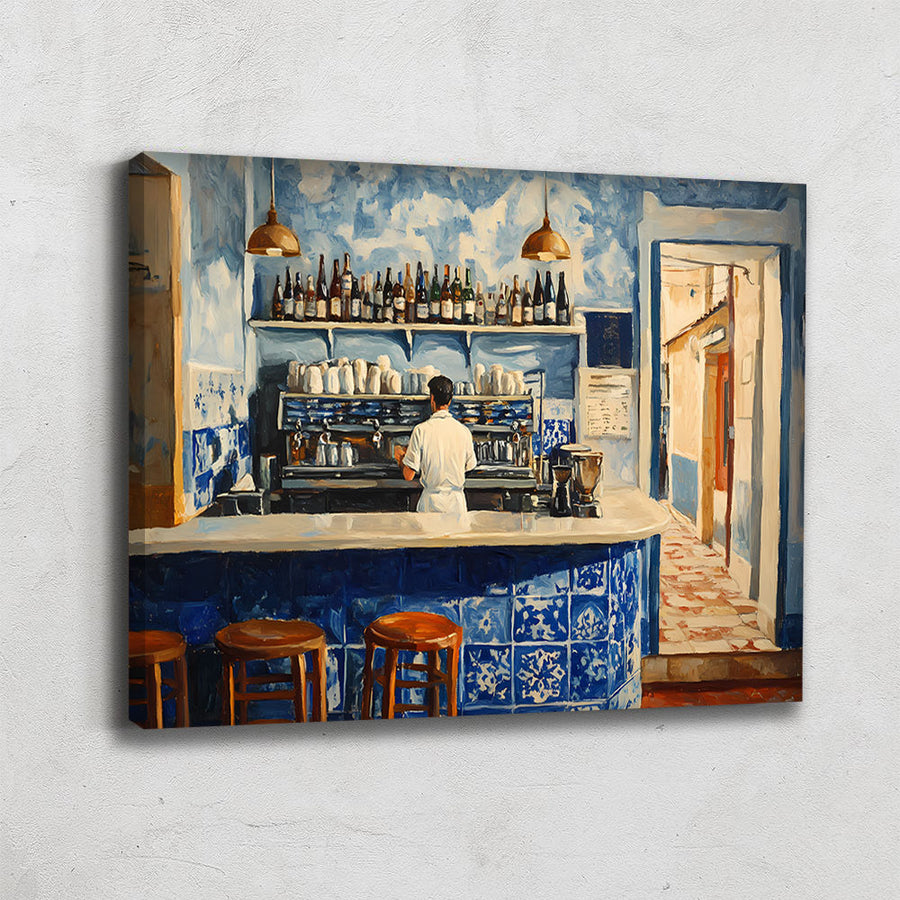
Add to Wishlist MEDITERRANEAN CAFE PAINTINGDès 89 €
-
Add to Wishlist MODERN COFFEE POT TABLEDès 89 €















Chargement des œuvres suivantes…
Vous avez vu 20 œuvres sur 27
Vous aimerez aussi


Few gestures are as coded, as universally shared, yet as deeply personal as preparing one's morning coffee. This daily alchemy, this ritual that has structured our mornings for three centuries since the drink became popular in Europe, has its own visual culture, its vocabulary, its atmospheres. From the zinc counter of a Parisian bistro to the hammered copper machine of a Roman trattoria, from the colorful stalls of an Ethiopian roaster to the stacks of paper cups in New York coffee shops, coffee has generated an iconography of unsuspected richness. It is this cultural density that our coffee wall art collection brings together: a selection of wall art printed on premium canvas and glossy plexiglass in our German workshop, chosen for their ability to transform a kitchen, dining room, or break area into a true homage to this beverage that punctuates our lives.
Copper Italian coffee makers whose iconic silhouette has become a design object in its own right, brasserie scenes where conversations at the counter can be imagined, pop art compositions with saturated palettes celebrating the aesthetics of grand American diners, minimalist treatments where the cup becomes a pure graphic subject, roasting atmospheres evoking the aroma and warmth of roasted beans: each artwork in this gallery has been conceived as a decorative object brimming with visual delight, capable of becoming the assertive signature of a culinary space or a break area. A true wall staging of the most beloved of all daily rituals.
Why coffee holds a unique place in contemporary kitchen decor
Coffee is probably the only decorative subject whose evocation immediately triggers a complete sensory projection in almost all viewers: the smell of the bean released under the pressure of grinding, the characteristic sound of the moka heating up, the warmth of the first sip. This multi-sensory evocative power explains why a coffee painting in a kitchen or dining room works with formidable decorative efficiency: it does not just represent a drink, it conjures up a whole world of sensations, memories, and habits. For those who like to incorporate this type of thematic subject into culinary decor, our kitchen collection offers a complete universe that admirably extends the spirit of coffee throughout the room.
Our selection process prioritizes three essential qualities for this demanding subject. First, the accuracy of the material, because coffee is above all a matter of textures: glistening, barely roasted beans, creamy foam of a perfectly made cappuccino, amber transparency of a well-drawn black coffee, steam escaping from a steaming cup. This material precision distinguishes a true coffee composition from a mere thematic illustration. Second, visual culture, because coffee is experienced in places with their own decorative grammar: a Parisian brasserie with its pitted mirrors and zinc counter, an Italian café with its shiny chrome and vintage machines, a Scandinavian coffee shop with its light wood and minimalist palette, a New York café with its counter energy and takeaway cups. Each of these atmospheres calls for a specific visual treatment. Finally, the warm dimension, because a successful coffee painting must convey the comforting quality associated with the drink itself: a palette of warm browns, amber, rosy beige, cream—these gourmet tones that make coffee decor one of the most inviting there is.
The main categories of our coffee collection
Our gallery explores all the ways to display coffee in wall decor, from the most traditional to the most contemporary. Here are the main categories that make up the selection.
The Italian coffee maker: the design icon
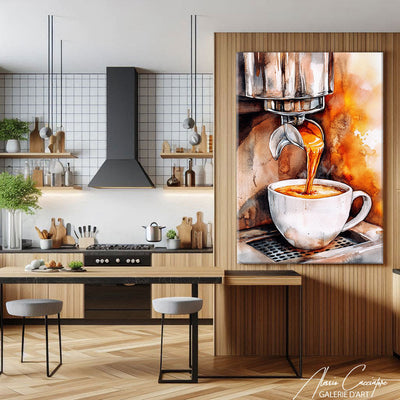
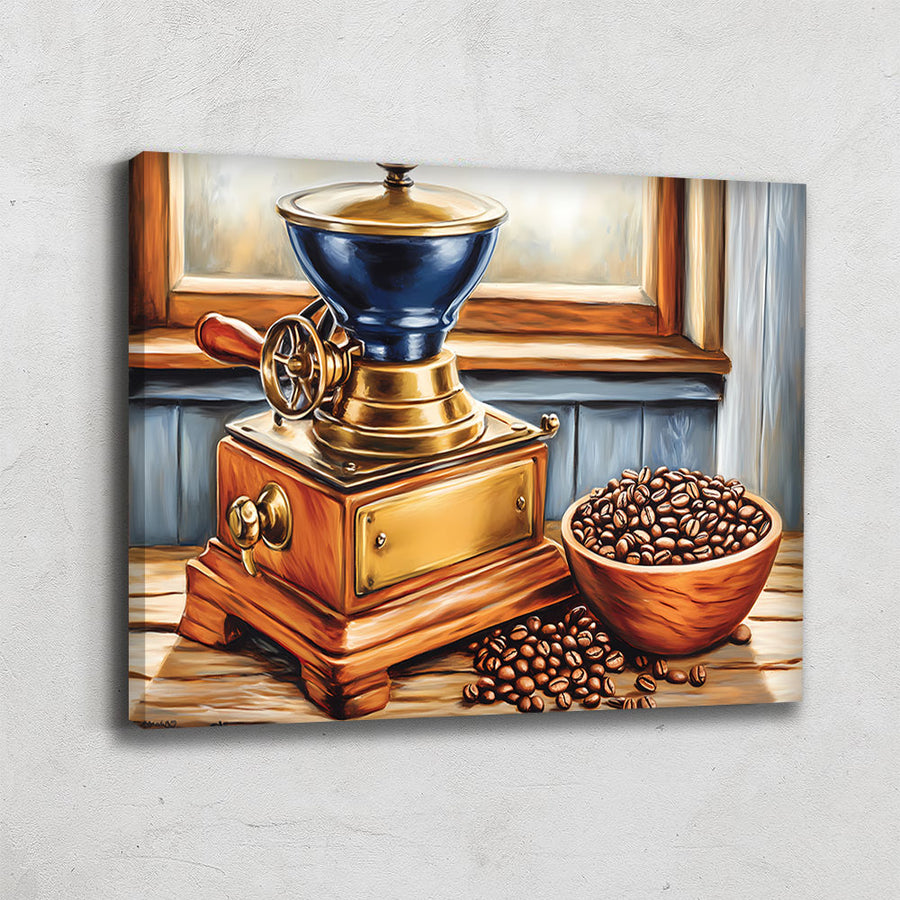
Probably our most representative compositions of the coffee world. The octagonal moka pot, designed in 1933 and since becoming one of the most widespread design objects in the world, occupies a central place in our gallery. Its instantly recognizable silhouette, copper or shiny stainless steel finish that catches the light, and steam escaping in white wisps against an amber palette. Our compositions celebrate this icon of Italian daily life in various treatments: a close-up, almost sculptural view, a breakfast scene with the coffee maker in action, a saturated pop art composition that transforms the object into an artistic subject in its own right. An immediately communicative visual presence for anyone who shares a love for this ritualistic beverage.
The brasserie scene: French art de vivre
A particularly moving category in our collection. These compositions capture the atmosphere of grand Parisian cafés, those institutions where people have enjoyed their café-crème for over a century. Zinc counters patinated by decades of leaning elbows, pitted mirrors multiplying perspectives, red or burgundy moleskin banquettes, waiters in vests and white aprons, hushed conversations rising from the marble of the guéridons. These artworks bring a dimension of French art de vivre to an interior that no other iconography spontaneously conveys as well. Particularly successful on our matte canvas, which subtly softens contrasts and gives the compositions a pictorial quality reminiscent of beautiful black and white photographs from the 1950s, in line with our vintage collection for those who love the aesthetics of past decades.
Pop art coffee: saturated modernity
For contemporary interiors, our pop art compositions revisit the coffee subject with an assertive visual vitality. A cup treated as a colored flat, spilled coffee whose splash becomes a graphic motif, an acidic palette contrasting with the traditionally warm imagery of the subject, silkscreen references reminiscent of the great pop works of the sixties. These artworks bring immediate energy to a kitchen or break area and are admirably suited to young, urban decors that want to integrate coffee into a current visual grammar. On glossy plexiglass, which intensifies chromatic vibrancy, the effect is particularly spectacular and naturally fits into the universe of our pop art collection.
The bean and roasting: raw material sublimated
More textural compositions in our gallery. The coffee bean, in its raw beauty, becomes a subject in its own right here. Shiny beans freshly out of the roaster, mounds of beans in stenciled jute sacks, a close-up view of the grind revealing the textural complexity of coffee. These artworks are particularly suitable for enlightened amateurs, baristas, and roasters who want to integrate the very material of their passion into their decor. On matte canvas, which enhances textures and shades of brown, these compositions develop an almost photographic, documentary quality.
The cup and modern still life
Refined category for contemporary design interiors. A white porcelain cup isolated on a neutral background, black coffee whose surface reflects the ceiling like a mirror, a composition of several cups in an almost geometric overhead view. This approach treats coffee with the grammar of great contemporary photographic still lifes, using an economy of means that reveals the formal beauty of everyday objects. Particularly successful in design kitchens, professional office spaces, and modern coffee bars. An approach that admirably dialogues with our minimalist collection to structure a refined and coherent decorative universe.
Typographic coffee: words that wake you up
For lovers of typographic aesthetics, our text-dominant compositions celebrate coffee through the words that accompany it. Famous quotes about coffee, "Coffee" in vintage New York cafe typography, the words "Espresso", "Cappuccino", "Latte" rendered in graphic treatments inspired by the signs of great European establishments. These artworks bring to a kitchen or coffee nook that quotational dimension that particularly appeals to literary minds and editorial design enthusiasts. An immediately recognizable visual signature that is easy to integrate into almost any decorative style.
The urban coffee shop scene
A more contemporary category inspired by the American coffee shop culture, which has gone global since the 1990s. Light wood counters of Scandinavian aesthetic, takeaway paper cups that have become graphic objects in their own right, a barista focused on the perfect extraction, the cozy atmosphere of a late afternoon with its warm lighting. These compositions particularly appeal to young urban dwellers, remote workers accustomed to cafes as workplaces, and cosmopolitan spirits who love this almost universal culture. They combine admirably with our New York collection for those who love the American urban universe.
Exotic coffee and the origin of the beans
More narrative compositions celebrating coffee's origins: Colombian plantations high in the mountains, Ethiopian traditional harvesting scenes, Brazilian export ports, the atmosphere of a souk where the best vintages are traded. These artworks bring a dimension of travel and culture to an interior that goes beyond simple decorative subject matter to celebrate the entire human chain that produces the beverage. Particularly successful in the kitchens of enlightened amateurs, professional spaces related to the coffee trade, artisanal roasteries, and specialized coffee bars.
The ambiance you seek determines your coffee choice
The coffee subject comes in several distinct decorative styles depending on the desired effect. Here are our guidelines for making the right choice.
For a warm and nostalgic brasserie atmosphere
Opt for classic Parisian brasserie scenes, vintage Italian cafes, and compositions with a muted palette (warm browns, deep amber, patinated cream). On matte canvas that softens contrasts and creates a pictorial softness worthy of a beautiful old print, these works are admirably suited for family kitchens, traditionally styled dining rooms, and spaces that like to cultivate a memory of coffee as it was once enjoyed. A decoration that reassures and comforts daily.
For a design and contemporary ambiance
Turn to minimalist compositions (isolated cup, coffee maker in a refined composition), modern still lifes, and graphic treatments of the coffee object. On glossy plexiglass, which reproduces the photographic precision of these refined compositions, these artworks are suitable for designer kitchens, contemporary open spaces, and decors that prioritize simplicity and a strong graphic signature. A current approach that embraces its visual modernity.
For a pop and energetic ambiance
Opt for saturated pop art compositions, cups treated with flat colors, and typographic compositions with vibrant palettes. These artworks assert a taste for contemporary visual language and bring a sparkling energy to a kitchen or coffee corner that instantly enlivens the space. Particularly suitable for youthful decors, urban lofts, and home coffee shops that embrace a pop American aesthetic.
For a gourmet and textural ambiance
Choose compositions focused on the very material of coffee: close-up beans, steam escaping from a steaming cup, creamy cappuccino foam, the amber transparency of a black coffee. These artworks celebrate the sensual dimension of the drink and are particularly suitable for enlightened amateur kitchens, gourmet dining rooms, and spaces where decoration speaks directly to the senses.
Coffee art, room by room
Each room calls for its ideal coffee artwork, depending on its use and atmosphere. Here are our decorative recommendations from our gallery experience.
In the kitchen: the perfect spot
This is obviously the room where coffee art finds its most natural place. Above the coffee machine itself to create a dedicated corner for the beverage, on the wall of the breakfast area to accompany family mornings, or as a decorative accent above a central island. A compact 60x40 cm or medium 80x60 cm format is ideal depending on the room's dimensions. Plexiglass is essential for this room due to its resistance to water splashes, cooking steam, and heat from nearby hobs. A simple wipe with a damp cloth is enough to make it look new again, even after several years of intensive use in this demanding environment.
In the dining room: the convivial touch
Particularly suitable for traditional or bistro-style dining rooms. A brasserie scene above the sideboard, a large coffee composition opposite the table: these artworks bring to the reception area that warm dimension that extends the meal with a shared coffee. Medium or large format depending on the room's dimensions, on matte canvas for pictorial elegance that dialogues with characterful furniture. A decoration that transforms the coffee moment into a true social ritual.
In a breakfast nook or breakfast corner
A dedicated space increasingly present in contemporary kitchens: the breakfast area with its bench, round table, and specific lighting. Coffee art fits almost perfectly here. Opt for warm compositions that invite lingering in the morning: a European breakfast scene, a coffee maker in action, the cozy atmosphere of a neighborhood café. Compact or medium format, a gourmet palette, on plexiglass for resistance to morning splashes.
In an office or professional break area
Coffee is closely associated with concentration and creative breaks in the professional world. A coffee artwork in a personal office, a coworking space, or a company break area brings a warm dimension to the environment that breaks corporate neutrality. Opt for elegant compositions (classic café scene, coffee maker in a graphic composition) that provide a personal signature without overdoing the thematic decoration. A decoration that speaks to the values of the place.
In a kitchen open to the living room
A dominant architectural configuration in contemporary homes, kitchens open to the living room call for artwork that functions both as culinary decoration and as a visual signature visible from the living room. Opt for large, imposing formats, compositions with strong graphic character, or panoramic triptychs of coffee scenes. The artwork becomes the element that visually structures the transition between the two spaces.
In a professional space related to coffee
Independent coffee shops, brasseries, tea rooms, artisanal roasteries, specialized coffee bars: the coffee painting is almost a given in these establishments. Opt for large, imposing formats and compositions with a strong visual signature that immediately define the identity of the place. Compositions of beans, roast profiles, and geographical origins add a cultural and professional dimension particularly appreciated by connoisseur customers.
In a guesthouse or holiday rental
A special but interesting case: the coffee painting in a guesthouse or holiday rental where breakfast is part of the experience offered to travelers. A warm brasserie scene, a vintage coffee maker, a composition of steaming cups: these artworks immediately signal the quality of the upcoming breakfast and prepare guests for a moment of conviviality. Medium format, warm palette, on matte canvas for elegance.
Choosing the right format to enhance coffee art
The format strongly influences the effect of a coffee painting, especially because this subject often calls for an intimate presentation to reveal its full warm dimension.
The compact format (60x40 cm) is probably the most suitable for the kitchen. Particularly successful in a series of three to create a cohesive coffee gallery wall (e.g., beans, machine, steaming cup, or three moments of counter service). Ideal at eye level above a worktop or a breakfast area, where it can be appreciated up close without dominating the functional space.
The medium format (80x60 cm) remains the versatile size. Suitable for all configurations, from brasserie scenes to pop art compositions and contemporary still lifes. Above a sideboard, as a decorative accent in a dining room, or as the main wall in a coffee nook: it provides a strong presence without dominating the room.
The large format (120x80 cm) is the centerpiece for spacious kitchens, bistro-style dining rooms, and home coffee shops. Particularly suited to panoramic brasserie scenes that deserve the grandeur, high-impact pop art compositions, and New York café atmospheres that demand a cinematic dimension. Going big on this subject offers the room a true atmospheric transformation.
The coffee triptych is a configuration particularly suited to narrative compositions. Three panels can depict three moments of the ritual (grinding, brewing, tasting), three types of beverages (espresso, cappuccino, latte), or three different coffee atmospheres (Paris, Rome, New York). An immediate narrative effect that transforms a large wall into a true culinary mise-en-scène.
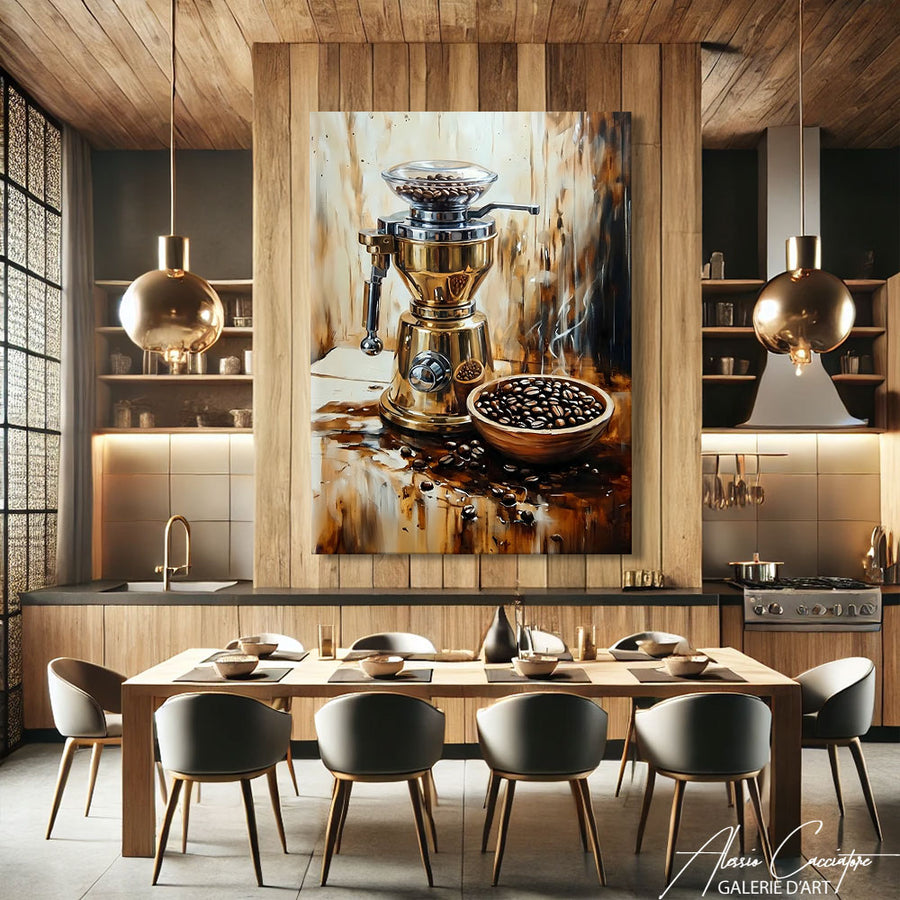
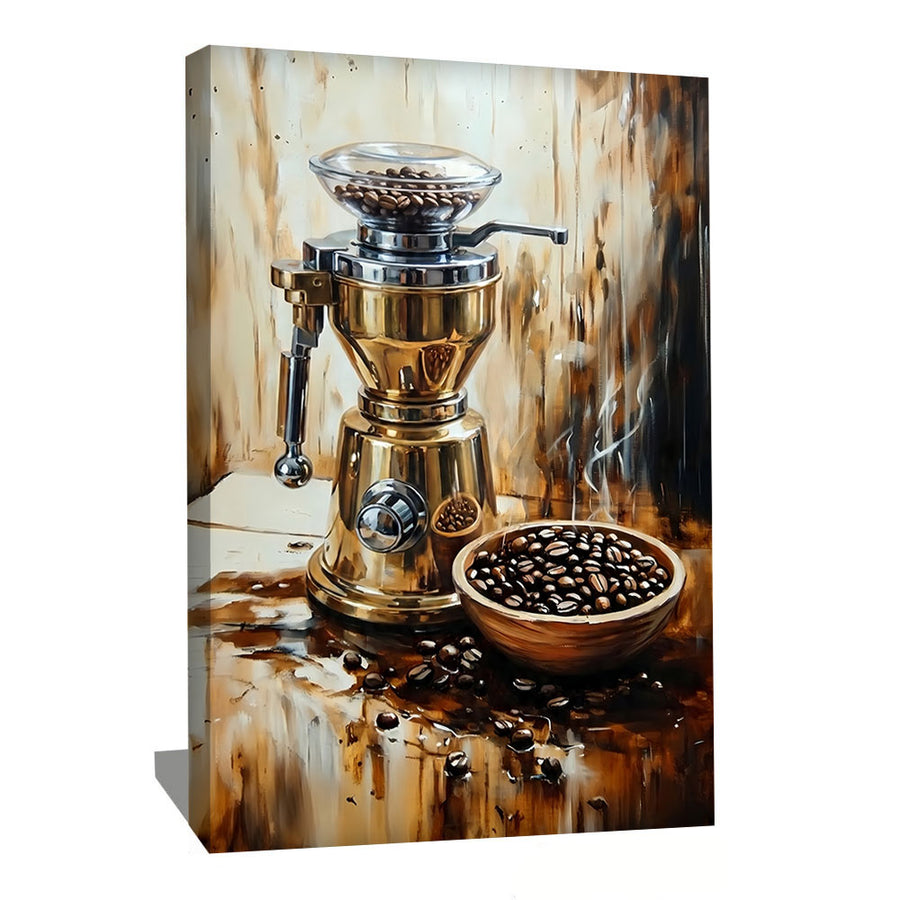
The vertical format particularly magnifies compositions where the verticality of a coffee maker, professional coffee machine, or the slender silhouette of a service item structures the image. Ideal in a narrow kitchen, between two tall cabinets, or next to a door. Verticality admirably accentuates the elegance of coffee objects.
Premium canvas or glossy plexiglass: enhancing the morning ritual
The medium determines how your coffee painting will render the material quality of the subject and withstand the specific constraints of a kitchen. On this subject, the choice between the two finishes merits particular attention.
Premium canvas print
Our canvas is hand-stretched over a 2 cm thick FSC-certified spruce wood frame. Its matte, delicately textured finish gives coffee compositions a particularly successful pictorial quality for vintage brasserie scenes, intimate still lifes, and subdued compositions. It softens contrasts and gives warm browns that velvety quality associated with beautiful antique prints. It's the choice for classic refinement, ideal for traditionally-styled dining rooms and breakfast nooks that favor understated elegance. Particularly suited to muted palettes (warm browns, ambers, aged beiges) that form the essence of traditional coffee compositions.
Glossy plexiglass print
Plexiglass is probably the most suitable medium for the kitchen, the primary environment where a coffee painting is hung. Its smooth, glossy finish intensifies the chromatic vibrancy of pop art compositions, enhances the amber depth of steaming cups, and gives urban scenes a particularly spectacular photographic brilliance. But above all, and this is the decisive argument for this location, its resistance to humidity, cooking steam, and splashes makes it the only medium truly adapted to the culinary environment. A simple wipe with a damp cloth is enough to keep it perfectly clean, even in a particularly active kitchen. A pragmatic finish that sacrifices nothing to aesthetic quality.
In both cases, our prints use high-definition, odorless, and solvent-free inks, completely safe even for food use in the kitchen. The printing technology we employ preserves contrasts and color fidelity for several decades. Each painting is delivered ready to hang, including the hanging system.
Marrying coffee with your decor
Coffee is one of the most versatile decorative subjects for kitchens and convivial spaces. Here are some ideas based on your decorative style.
In a bistro or traditional kitchen
The most obvious association. Wooden counter, white subway tiles, open shelves stocked with ceramics, vintage enamel pendant lights: the coffee painting naturally fits into this universe. Favor classic brasserie scenes, vintage Italian coffee makers, and compositions in muted palettes. An immediately perceptible stylistic coherence that extends the bistro spirit into all components of the decor.
In a contemporary and minimalist kitchen
For designer kitchens (handleless facades, stone countertops, integrated appliances, monochromatic palette), choose sleek compositions: an isolated cup, a coffee maker in a minimalist graphic composition, coffee in a contemporary still life. These modern treatments allow the coffee subject to fit into demanding decors without disrupting the overall aesthetic of the place. A refined approach that embraces modernity without sacrificing indulgence.
In an industrial or loft kitchen
Exposed brick, black metal, brushed steel pendant lights, salvaged vintage furniture: these raw materials interact admirably with a large coffee composition with strong character, particularly New York coffee shop scenes, pop art compositions with saturated palettes, and artisanal roasting atmospheres. The painting becomes a structuring element that brings warmth to the raw urbanity of the space.
In a country or rustic kitchen
Patinated wood, potter's ceramics, suspended dried herbs, antique furniture: the country aesthetic admirably welcomes traditional coffee compositions, particularly family breakfast scenes, patinated copper coffee makers, and artisanal roasting atmospheres. A warm coherence that transforms the kitchen into a true gourmet refuge where every morning becomes a special moment.
In an Italian or Mediterranean-inspired kitchen
A case where the coffee painting finds its place with particular obviousness. The Italian coffee maker, the iconic Moka design, Italian bar scenes: all subjects that interact admirably with a Mediterranean-inspired kitchen (cement tiles, open shelves, terracotta palette, light wood furniture). A true homage to everyday dolce vita, celebrating the Transalpine art of living from every angle.
In an open-plan kitchen-living room
For contemporary configurations where the kitchen opens into the living room, choose a large coffee painting with a strong visual signature that works equally well seen up close (from the worktop) and from a distance (from the sofa). Pop art compositions, large-format brasserie scenes, or narrative triptychs are particularly suited to this dual use and visually structure the transition between the two spaces.
Frequently Asked Questions about Coffee Paintings
Is a coffee painting really suitable for the kitchen?
It is even its preferred location. The kitchen is the room where coffee is prepared and consumed daily, which makes the decorative subject perfectly consistent with the use of the space. It is essential to opt for glossy plexiglass for this location, due to its exceptional resistance to water splashes, cooking steam, grease splatters, and heat. Canvas, being more porous, deteriorates in the humid environment of an active kitchen and gradually loses its original beauty.
Are all your coffee paintings prints?
Yes, they are high-definition prints on premium canvas or glossy plexiglass, manufactured in our workshop in Germany. Our compositions are designed and printed with gallery quality, allowing us to offer highly refined work at an accessible price, without compromising on the quality of color rendering and material precision that characterizes this subject.
Is a coffee painting suitable as a gift?
It's a very fitting gift, particularly successful for passionate coffee lovers, young homeowners with a new kitchen, amateur baristas investing in a beautiful coffee machine, or simply to celebrate the daily art of living of a loved one. The 60x40 cm plexiglass format remains one of our most popular choices for these occasions, especially brasserie scenes and vintage coffee maker compositions that universally appeal.
What composition should I choose for a home coffee nook?
If you have set up a dedicated coffee space (professional machine, shelf with different bean varieties, grinder, accessories), favor compositions that celebrate the material dimension of the subject: close-up of beans, roasting scene, magnified grind, freshly pulled espresso. These paintings emphasize the seriousness of your passion and visually structure your coffee nook into a true personal counter.
What's the difference between a coffee painting and a kitchen painting?
Our coffee painting collection is specifically centered on the subject of coffee: coffee makers, brasserie scenes, beans, coffee shop atmospheres, steaming cups. Our kitchen painting collection is broader and encompasses the entire culinary universe: utensils, ingredients, fruits and vegetables, kitchen scenes. The two collections are complementary and allow you to refine your choice according to the decorative angle that speaks to you most for this area of the house.
At what height should a coffee painting be hung in the kitchen?
Center the painting at approximately 1.50 meters (about 5 feet) from the floor for comfortable viewing. If you hang it above a worktop, make sure to leave at least 50 cm (about 20 inches) between the top of the worktop and the bottom of the frame to avoid direct splashes. Above the coffee machine, consider a compact format that harmoniously integrates into the dedicated corner without visually dominating the utensils themselves, which are the main subjects of the space.
Are your paintings delivered ready to hang?
Yes. The canvas is delivered stretched on its frame, with hangers attached to the back. The plexiglass is delivered with its invisible hanging system. In both cases, installation takes less than five minutes, even in kitchen configurations where wall access may sometimes be restricted by furniture.
How do I care for my coffee painting in a kitchen?
For plexiglass, a weekly wipe with a damp cloth is enough to maintain the brilliance of your painting, even in a very active kitchen. For canvas, dust with a soft dry cloth and absolutely avoid any exposure to direct cooking steam or water splashes, which can degrade the characteristic matte finish. This is precisely why we always recommend plexiglass for this specific location in the house.
Questions fréquentes
Quels sont les délais de livraison ?
La livraison est offerte dans le monde entier, sous 4 à 7 jours. Vous pouvez suivre votre colis à tout moment depuis la page « Suivre le colis ».
Le tableau est-il prêt à accrocher ?
Oui, le système d'accroche est inclus. Les toiles sont tendues sur un châssis en bois d'épicéa de 2 cm (4 cm en option) et les plexiglas sont livrés avec des rails d'accroche en aluminium invisibles.
Toile ou plexiglas : quelle différence ?
La toile est une vraie toile tendue sur un châssis en bois. Le plexiglas est incassable, protégé des rayures et du vieillissement, et travaillé à la main par nos artisans en Allemagne.
Puis-je retourner mon tableau ?
Oui, vous avez 30 jours pour changer d'avis : contactez-nous par e-mail ou par le chat. Et si votre œuvre arrive abîmée, nous la réimprimons, sans retour à faire.
Livraison offerte sous 4 à 7 jours
Fabriqué à la main en Allemagne
30 jours pour changer d'avis