
Ethnic Painting
8 œuvresDes œuvres en édition limitée, pensées par l'artiste pour illuminer votre intérieur.
Fait main en AllemagneLivraison offertePrêt à accrocher30 jours pour changer d'avis
-
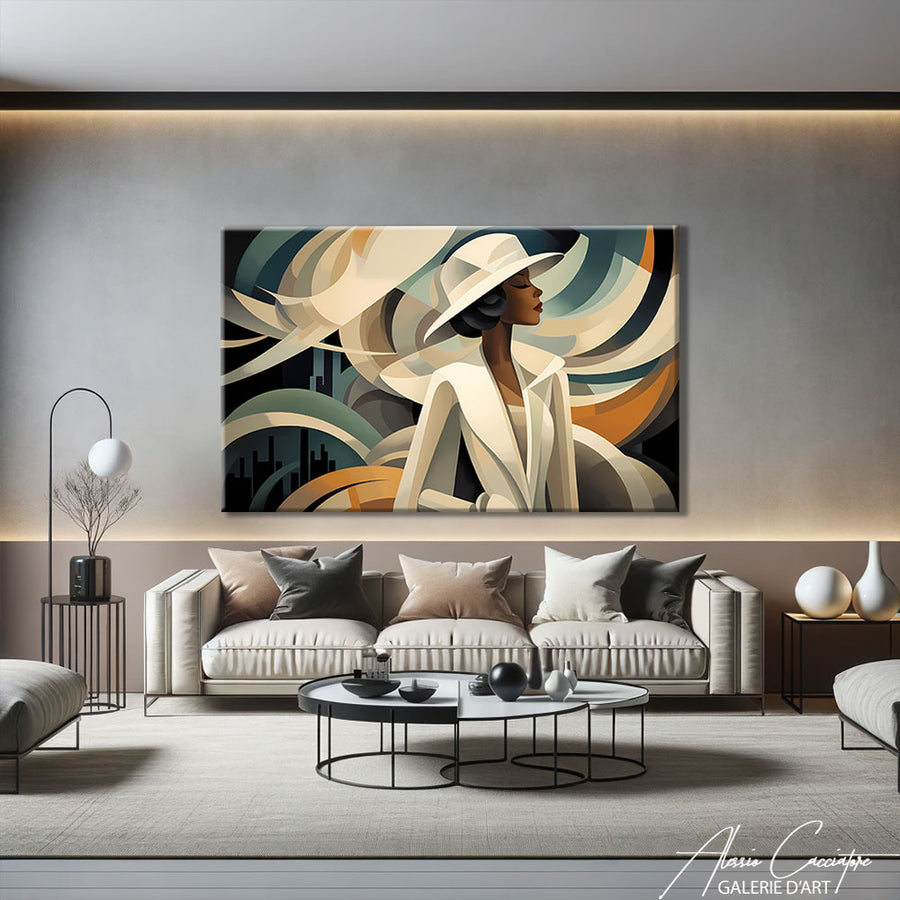
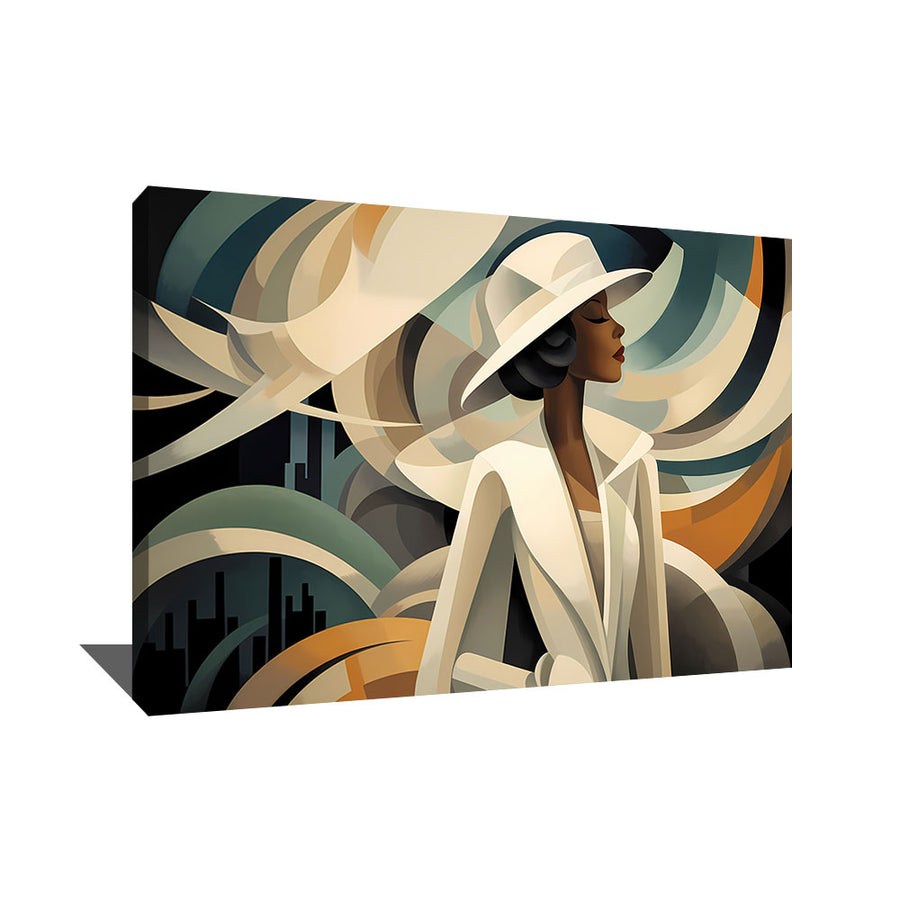
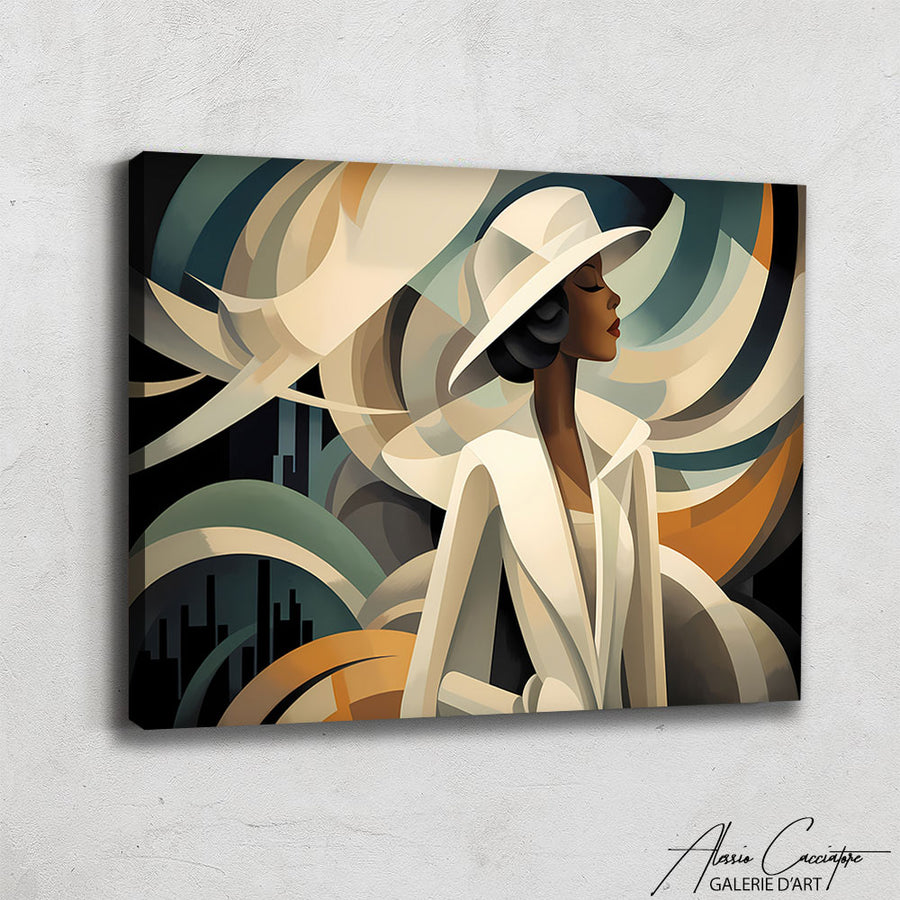
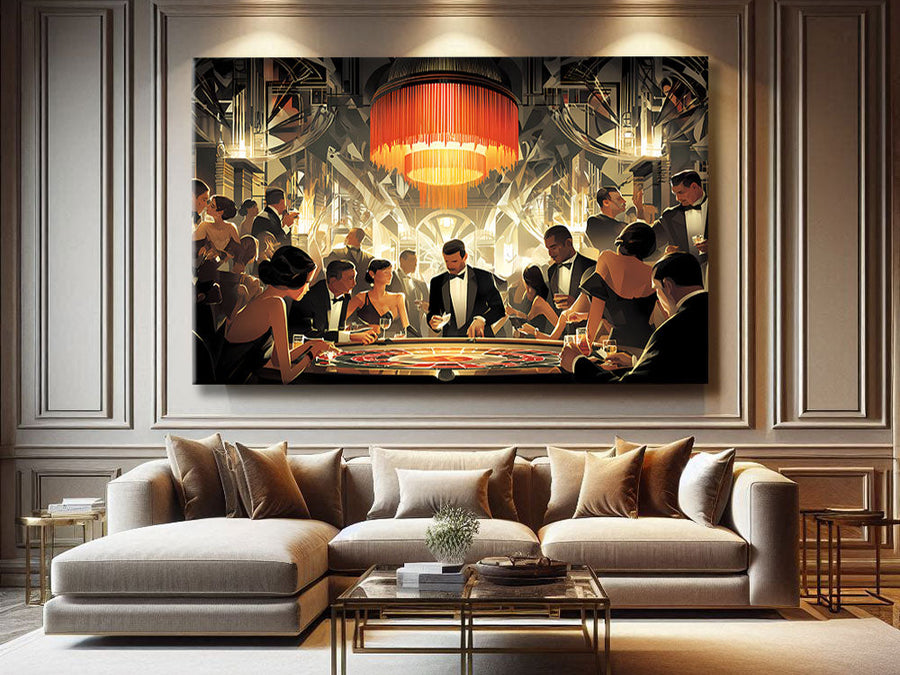
Add to Wishlist ETHNIC ART DECO PAINTINGDès 89 € 71,20 €
Dès 89 €
-
Add to Wishlist AFRICAN ETHNIC PAINTING TRADITIONAL SCENESDès 89 € 71,20 €
Dès 89 €
-
Add to Wishlist AFRICAN ETHNIC TABLEDès 89 € 71,20 €
Dès 89 €
-
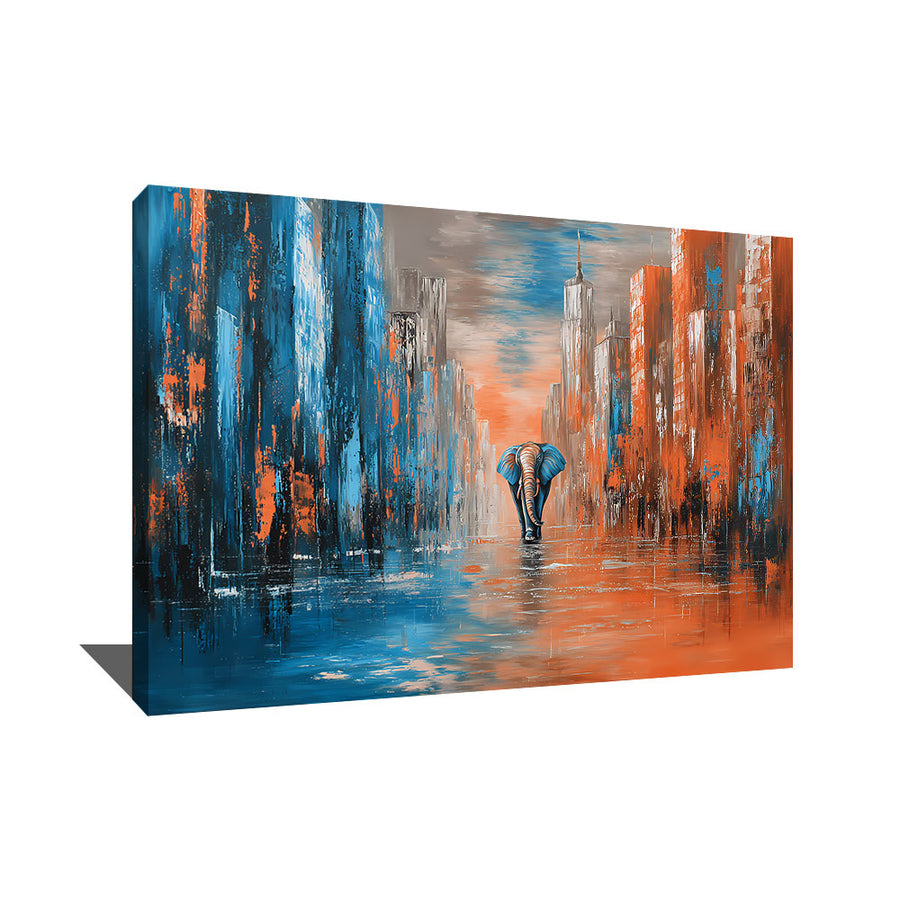
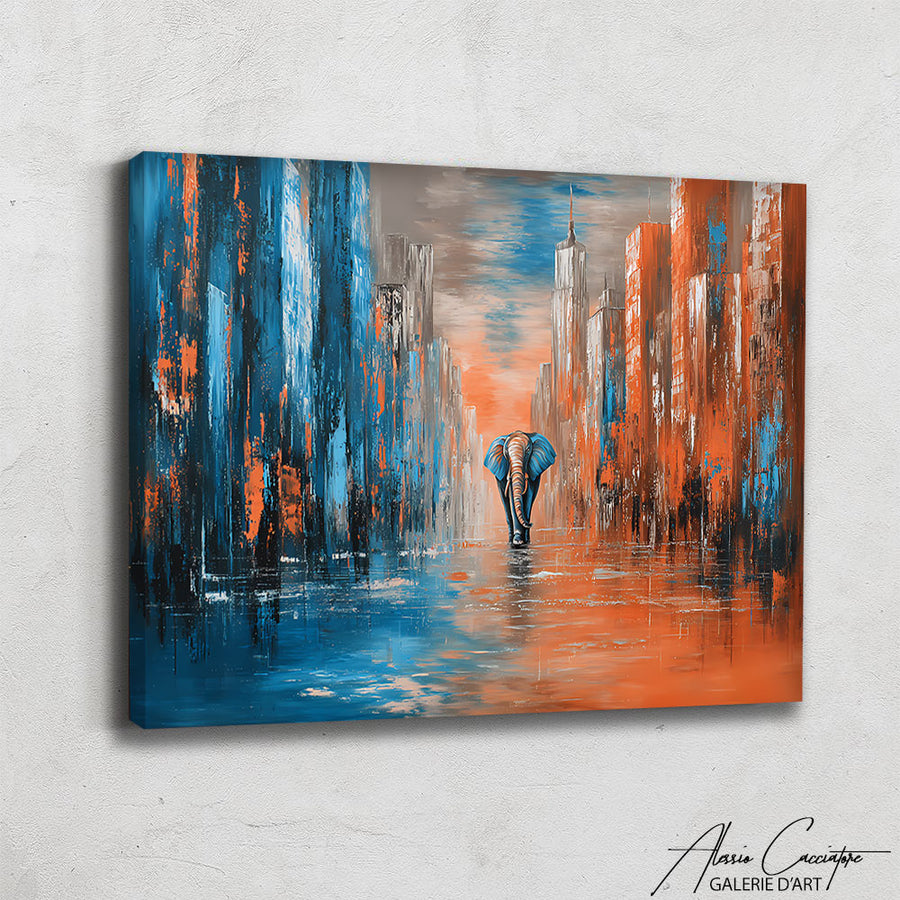
Add to Wishlist ABSTRACT ELEPHANT PAINTINGDès 89 € 71,20 €
Dès 89 €
-
Add to Wishlist AFRICAN ETHNIC TABLEDès 89 € 71,20 €
Dès 89 €
-
Add to Wishlist AFRICAN ETHNIC TABLEDès 89 € 71,20 €
Dès 89 €
-
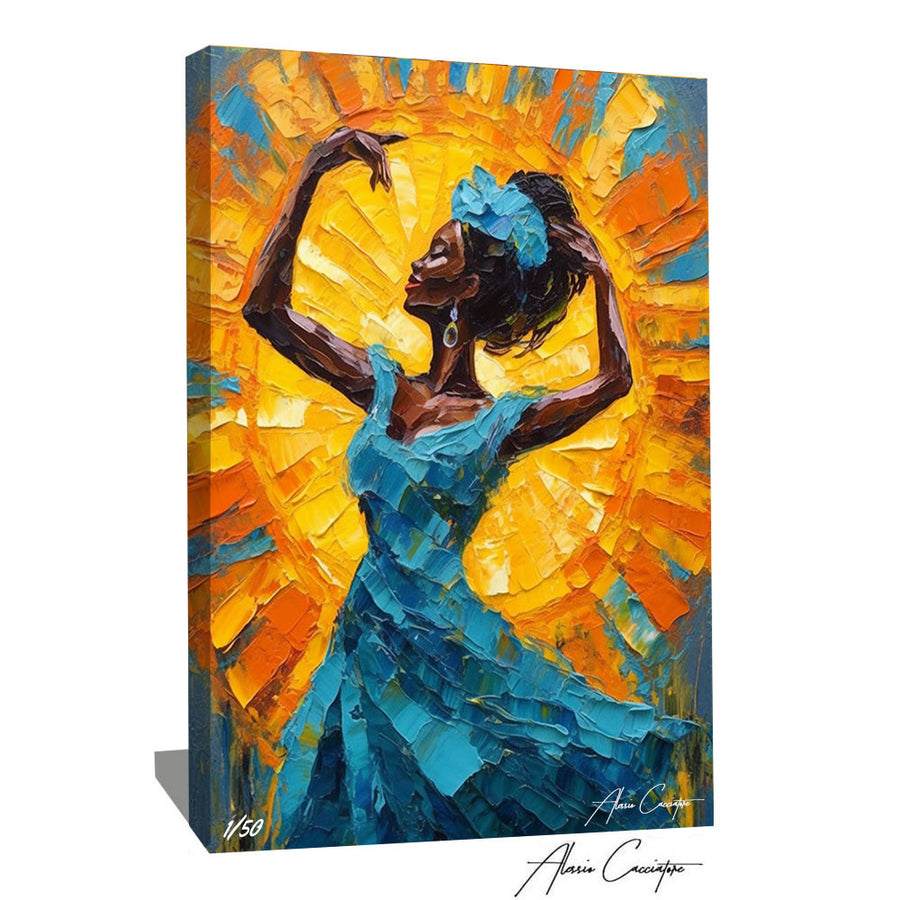
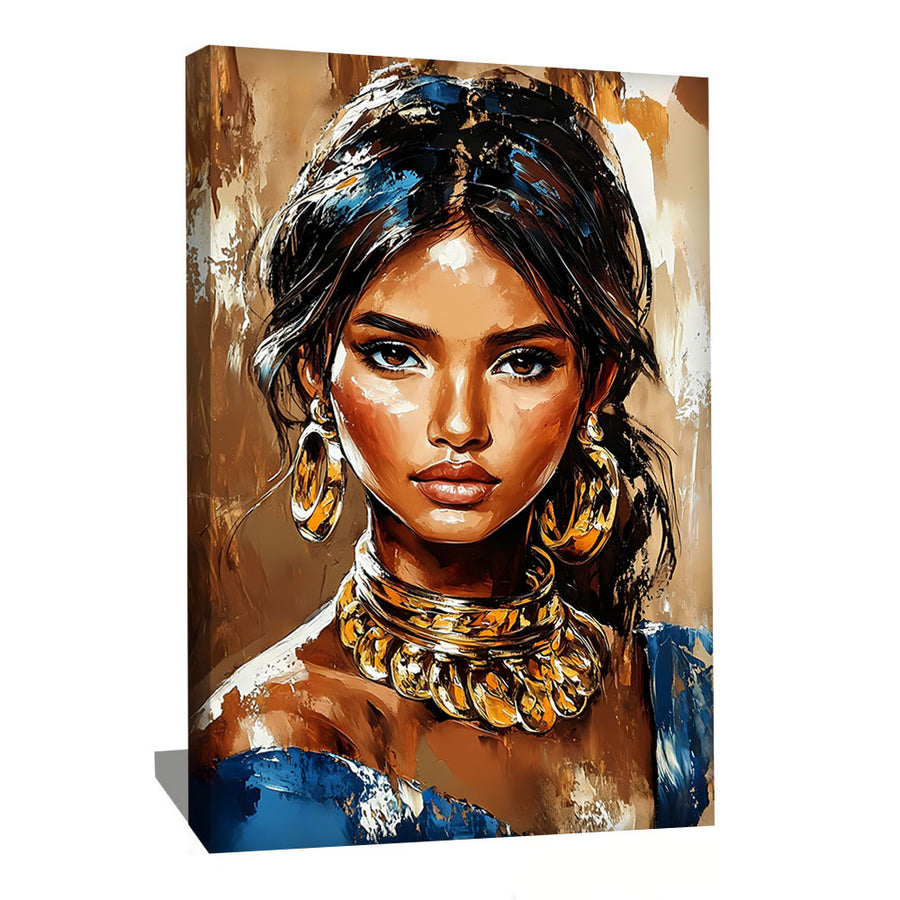
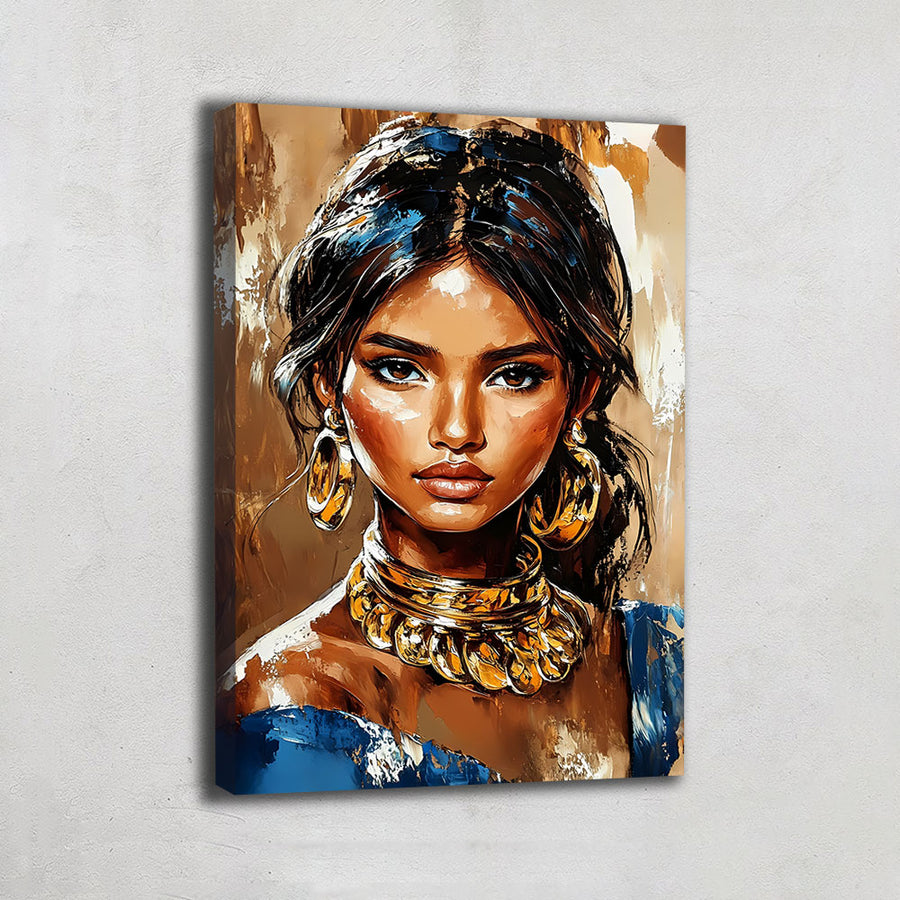
Add to Wishlist ETHNIC WOMAN PAINTINGDès 89 € 71,20 €
Dès 89 €
-
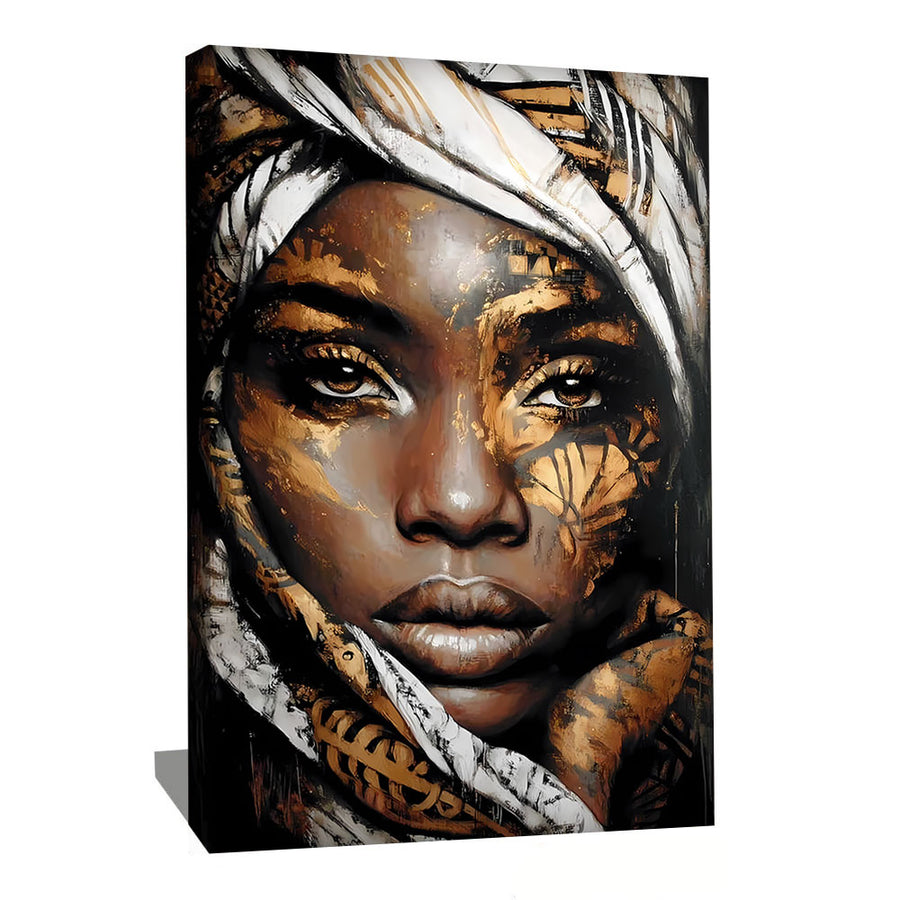
Add to Wishlist ETHNIC FACE PAINTINGDès 89 € 71,20 €
Dès 89 €









Chargement des œuvres suivantes…
Vous avez vu 8 œuvres sur 8
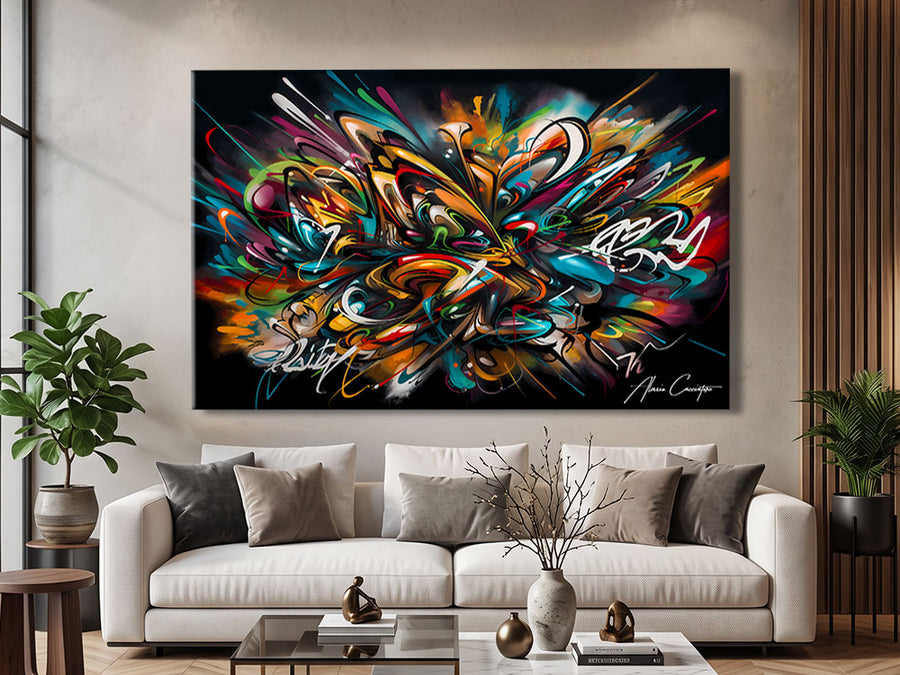
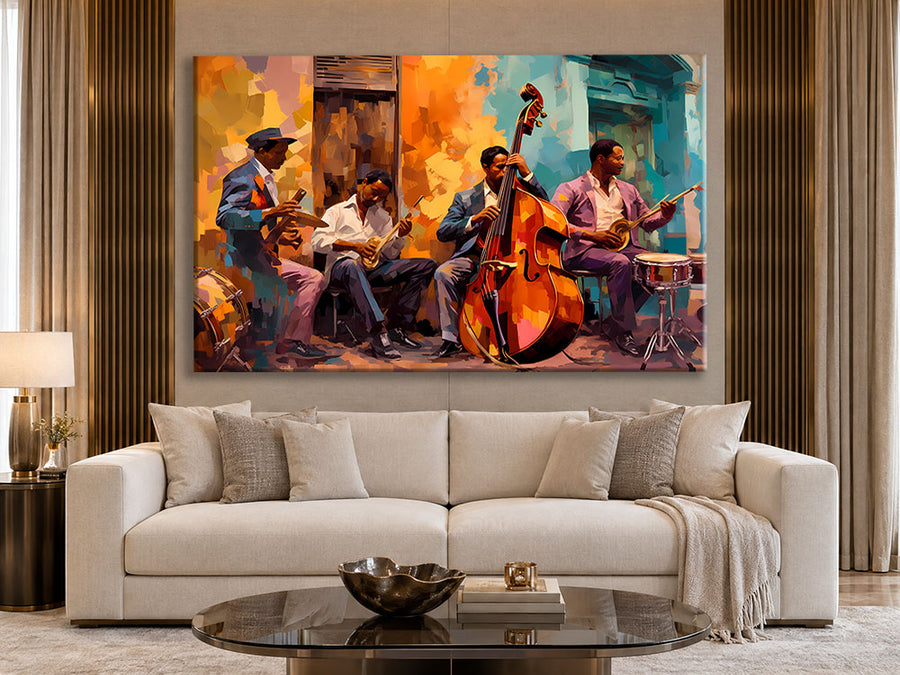
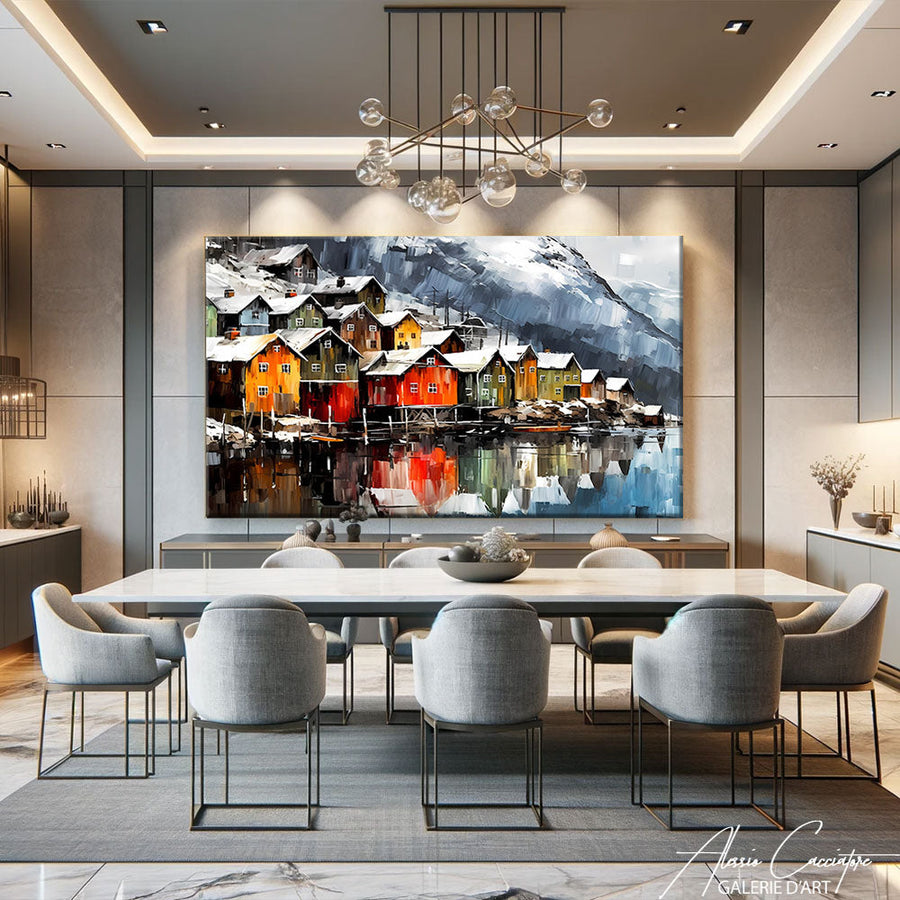
The ethnic painting is the painting of the world's cultures. The masks and textiles of Africa. The feather headdresses of the peoples of the American plains. The patterns of the Andes, Mexico, and Guatemala. The Berber rugs of the Maghreb. The kilims of Anatolia and Persia. The ikats of Central Asia and Indonesia. The dots and lines of the Aboriginal paintings of Australia. The adornments of the peoples of the Pacific. The portraits of women and men from the five continents, in their adornments, their fabrics, and their dignity. What unites all this is a common language: the pattern, the earth, the material, the symbol. Ethnic style in decoration is the interior of the traveler, the one who has brought the world home. Warm lands, ochres, blacks and whites, wood, rattan, linen, ceramic, and on the wall a face or a pattern from afar. Our collection of ethnic paintings brings together the cultures of the world in all their diversity: masks, textile patterns, portraits, adornments, scenes of life, abstractions inspired by primitive arts. Each ethnic painting is printed on premium canvas or glossy plexiglass in our workshop in Germany. Each ethnic canvas is an original creation of our gallery, designed with the respect that each culture deserves, without mixing or clichés.
Our gallery brings together all the families of the ethnic painting. Masks: masks of West and Central Africa, masks of the Pacific, Andean carnival masks. Textile patterns: wax, bogolan, kente, kilim, ikat, suzani, Navajo, Inca, Berber, Aboriginal. Portraits of the world: Maasai woman with beads, Himba woman with ochre braids, Berber woman with silver jewelry, Native American chief with a feather headdress, Mongolian woman, Tibetan monk, Papuan woman, Fulani woman, woman in a sari, woman in a desert veil, Tuareg man with an indigo cheche. Adornments and jewelry: bead necklaces, copper trays, Berber silver bracelets, feather headdresses, cowrie pendants, turquoise jewelry, Fulani gold earrings. Scenes of life: market, dance, ceremony, village, caravan. Pottery, baskets, gourds, cowries. Ethnic abstractions: earth geometries, repeated patterns, ochre and black palettes. Colorful, black and white, golden, beige and terracotta ethnic paintings. Each ethnic wall painting brings to a living room, bedroom, or entrance the presence of a culture and the warmth of travel.
Why the ethnic style has conquered interiors
The ethnic painting is one of the most sought-after subjects in decoration for a decade. Several reasons explain this success. First, travel: we decorate with what we have seen, and the ethnic painting extends the memory of a stay in Morocco, Kenya, Peru, Bali. Next, the materials: the ethnic style brought natural materials back into interiors, rattan, jute, linen, raw wood, ceramic, and the ethnic painting is the focal point. Then again, the patterns: the geometries of the world's textiles are among the most beautiful that exist, and they match contemporary interiors. Then the portraits: a face of the world on the wall, in its adornments and its dignity, has a presence that few subjects equal. Then the palettes: ochre, terracotta, black, white, indigo, gold, the colors of the ethnic style are those of current decoration. Finally, respect: today's ethnic style no longer seeks exoticism but accuracy, one culture at a time, named and honored. For those who wish to explore the continent that has inspired this style the most, our African collection brings together masks, textiles, and portraits in all their richness.
Our selection of ethnic paintings rests on three requirements. Accuracy first. Each culture has its patterns, its adornments, its colors: a kilim is not a wax, a feather headdress of the plains is not a Pacific adornment, a Himba woman is not a Maasai woman. Our compositions respect each tradition and never mix them in the same image. Dignity next. The portraits of the world are portraits, not curiosities: direct gaze, just light, exact adornment. Our compositions celebrate the people represented. Material finally. The ethnic painting must have the texture of its sources: textile grain, wood patina, matte ochre. Our compositions restore this material, and the matte canvas extends it.
The great families of our ethnic collection
Our gallery explores the cultures of the world. Here are the main families of the collection.
The masks of the world
It is the most emblematic family. The West African mask with almond eyes, the Central African mask with deep patina, the Pacific mask with fibers and shells, the Andean carnival mask with bright colors, the Asian theater mask. Our compositions celebrate this family in varied treatments, in original creations without reproducing a museum object: mask in a frontal composition on a solid background, close-up mask revealing the patina, series of masks from different traditions each on its own panel, mask in a contemporary graphic composition. These ethnic paintings are suitable for the living room, the entrance, and the office.
The textile patterns of the world
Textiles are the most beautiful patterns on the planet. Wax and kente from West Africa, bogolan from Mali, kilim from Anatolia, ikat from Uzbekistan and Indonesia, embroidered suzani, Navajo geometries from the American Southwest, Inca and Mayan patterns, Berber diamond rugs, Aboriginal dots. Our compositions celebrate this family in varied treatments: kilim pattern in flat red and black, ikat in gradients, Berber geometry black on cream, Navajo pattern in earth tones, Aboriginal dots in ochre and white, wax in a vibrant composition. These ethnic paintings are suitable for all interiors, especially living rooms and bedrooms. To be combined with our Morocco collection for Berber patterns and rugs in their country.
The portraits of women of the world
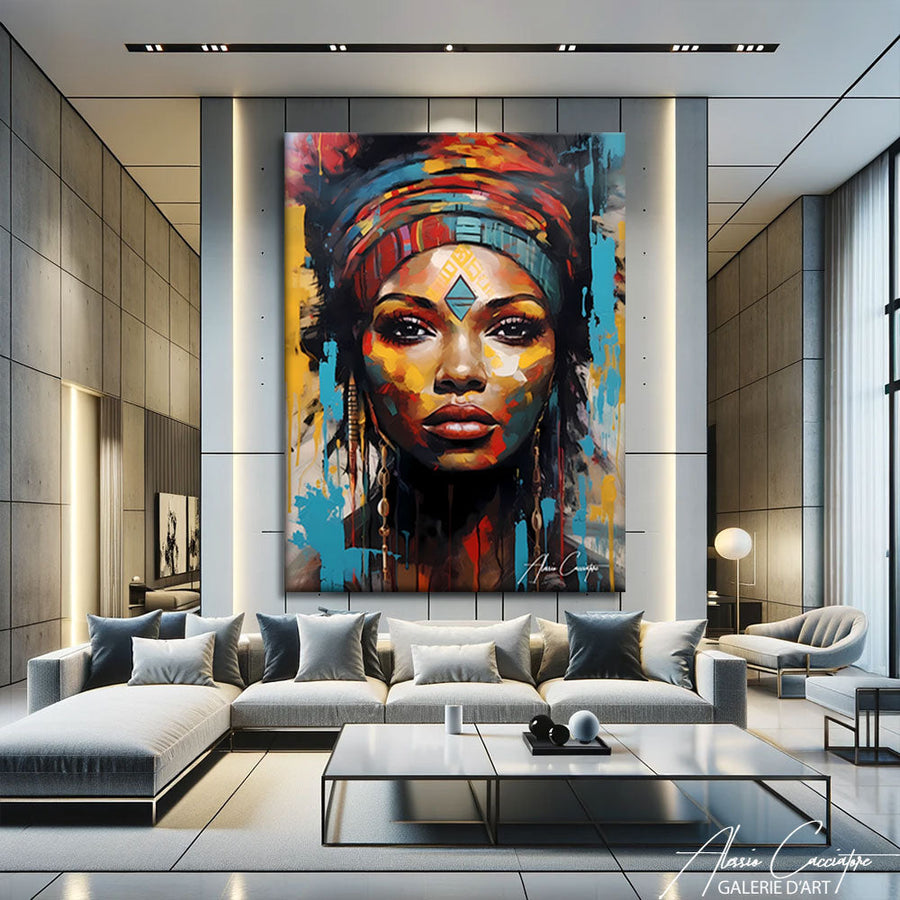
The Maasai woman with a bead necklace, the Himba woman with red ochre braids, the Berber woman with silver jewelry and tattoos, the Fulani woman with gold earrings, the Mongolian woman in a deel, the Tibetan woman with turquoise, the Papuan woman with feathers, the woman in a desert veil, the woman in a sari. Our compositions celebrate this family in varied treatments, with anonymous models created for our gallery: portrait of a Maasai woman on a red background, Himba woman in golden light, Berber woman in black and white, Mongolian woman in the steppe, woman in an indigo veil. These ethnic paintings are suitable for the living room, the bedroom, and the entrance. To be combined with our African woman collection for the portrait of the continent's women in all its richness.
The portraits of men of the world
The Native American chief with a feather headdress, the Maasai warrior with a spear, the Tuareg man with an indigo cheche, the Tibetan monk, the Indian sadhu, the Vietnamese fisherman, the Andean shepherd in a poncho, the Pacific dancer. Our compositions celebrate this family in varied treatments: Native American chief in a front portrait, Tuareg in black and white, monk in a saffron robe, Andean shepherd in the mountains, Maasai warrior at sunset. These ethnic paintings are suitable for the living room, the office, and the entrance. To be combined with our Western collection for the peoples of the plains in their universe.
The adornments and the jewelry
Maasai bead necklaces, copper trays, Berber silver bracelets, feather headdresses, cowrie pendants, turquoise jewelry, Fulani gold earrings. Our compositions celebrate this family in varied treatments, in close-up and still life: beads in close-up, feather headdress in composition, silver jewelry on fabric, cowries and leather. These ethnic paintings are suitable for the bedroom, the dressing room, and the entrance.
The scenes of life of the world
The spice market, the ceremonial dance, the village at sunset, the caravan in the desert, the canoes on the river, the rice fields, the washhouses, the festivals. Our compositions celebrate this family in varied treatments, without the picturesque: Andean market with colorful textiles, Maasai dance in silhouettes, Tuareg caravan, canoes in the morning, terraced rice fields of Bali. These ethnic paintings are suitable for the living room and the dining room. To be combined with our Bali collection and our Mexican collection for two of the most colorful cultures in the world.
The pottery, the baskets, and the objects
Terracotta pottery, engraved gourds, woven baskets, hanging textiles, Berber jars, Japanese bowls, cowries. Our compositions celebrate this family in varied treatments, in still lifes with warm earth tones: pottery lined up on an ochre background, baskets in composition, gourds and cowries, jars in the light. These ethnic paintings are suitable for the kitchen, the dining room, and the entrance.
The ethnic abstractions
Earth geometries, repeated patterns, ochre and black palettes, shapes inspired by masks and textiles, boho compositions. Our compositions celebrate this family in varied treatments: abstraction in earth and ochres, textile-inspired geometry, stylized mask shapes, beige and black composition in the spirit of bogolan, terracotta arches and lines. These ethnic paintings are suitable for boho, Japandi, and contemporary interiors.
Asia and the Orient
Central Asian patterns, Himalayan adornments, Indonesian fabrics, Japanese prints and patterns, Oriental geometries. Our compositions celebrate this family in varied treatments. To be combined with our Asian collection for the continent in all its expressions.
Which culture for your interior
The ethnic painting is chosen first by the region and the atmosphere. Here are our guidelines.
For an earth and material atmosphere
Favor Berber patterns, bogolan, pottery, ochre and black abstractions. On matte canvas. Perfect for boho and Japandi interiors.
For a colorful and lively atmosphere
Turn to wax, kente, Andean markets, Mexico, carnival masks. On glossy plexiglass.
For a portrait and presence atmosphere
Opt for the women and men of the world, in a front portrait, on a solid background or in black and white.
For a heritage atmosphere
Choose masks in a frontal composition, adornments in close-up, ancient textiles.
The ethnic painting, piece by piece
Each piece has its culture. Here are our recommendations.
In a traveler's living room
It is the preferred location of the ethnic painting. Above the sofa, a portrait of the world, a majestic mask, or a textile pattern in 120x80 cm. With a Berber rug, baskets, ceramics, and plants, the living room becomes the story of a journey. Our living room collection offers other subjects for this room.
In a bedroom
A portrait of a woman of the world in a soft palette, a black on cream Berber pattern, an ochre abstraction. Format 80x60 cm above the bed, on matte canvas.
In an entrance
The mask, a figure of protection in many traditions, finds its natural place in the entrance. Vertical or square format.
In a dining room or kitchen
Spice market, pottery, baskets, scenes of meals from the world. Plexiglass in the kitchen.
In an office
A mask in a frontal composition, a Native American chief, a Tuareg in black and white. Format 80x60 cm.
In a hallway
A series of three masks from different traditions, or three textile patterns, in 60x40 cm. Hanging in a series is particularly successful with this subject.
In a child's bedroom
Colorful patterns, pottery, stylized animals, children of the world in a soft portrait. Format 60x40 cm on plexiglass.
In a professional space
Restaurants of the world, travel agencies, craft shops, tea rooms, hotels with a traveler's spirit, therapist offices: the ethnic painting installs warmth and openness.
The choice of format for your ethnic painting
The format is chosen according to the family. Our guidelines.
The compact format (60x40 cm) is suitable for masks, adornments, and series of three: three masks, three patterns, three portraits.
The medium format (80x60 cm) is the all-purpose size. Bedroom, office, entrance.
The large format (120x80 cm) is the ethnic painting of the living room: majestic portrait, immersive pattern, market scene.
The square format (60x60 cm or 80x80 cm) is the natural format of the frontal mask, the close-up portrait, and the repeated pattern.
The vertical format is suitable for full-length portraits, textile bands, and entrances.
The ethnic triptych brings together three cultures, three masks, or three patterns, each on its own panel, in the same palette of earth tones.
Premium canvas or glossy plexiglass for your ethnic canvas
Ethnic style is a matter of material: canvas is the reference support.
Printing on premium canvas
Our canvas is stretched by hand on a 2 cm thick spruce wood frame. Its matte texture extends the grain of the textiles, the patina of the masks, and the matte of the ochres. It is the support we recommend for patterns, masks, portraits, and all compositions in warm earth tones.
Printing on glossy plexiglass
Plexiglass makes the wax, kente, colorful markets, and carnival masks vibrate. Delivered with an aluminum rail on the back for simple hanging, it imposes itself in the kitchen and the child's bedroom.
In both cases, our prints use an odorless and solvent-free high-definition ink, safe even in a child's bedroom. The printing technology we use preserves the ochres and colors for several decades. Each painting is delivered ready to hang.
Matching the ethnic painting to your decoration
Ethnic style is a complete style: the painting is the focal point. Our ideas.
With a bohemian interior
The perfect match. Rattan, macramé, Berber rugs, baskets, plants: the entire collection is at home here.
With a Japandi interior
Light wood, linen, minimalist: black on cream Berber patterns, bogolan, pottery, ochre abstractions.
With a contemporary interior
White walls, sober furniture: a mask in a frontal composition or a portrait on a solid background, in a large format.
With a colorful interior
Colorful walls, mixed textiles: wax, kente, markets, Mexico, carnival masks.
With a classic interior
Woodwork, library: masks and adornments in a heritage composition, in the spirit of traveler's cabinets.
With an interior with dark walls
On a terracotta, deep green, or midnight blue wall, a golden portrait, a patinated mask, or an ochre pattern stand out strongly.
Frequently asked questions about ethnic paintings
What is an ethnic painting?
An ethnic painting represents the cultures of the world through their patterns, masks, textiles, adornments, and portraits of their peoples: Africa, the Americas, the Maghreb, Asia, the Pacific. In decoration, the ethnic style is that of the traveler: warm lands, natural materials, and on the wall a pattern or a face from afar. Our ethnic painting collection brings together these cultures, each represented with accuracy and respect, without mixing or clichés.
What is the difference between an ethnic painting and an African painting?
The African painting is dedicated to a single continent: masks, textiles, portraits, and scenes of life from Africa. The ethnic painting is the umbrella of all the cultures of the world: Africa, but also the peoples of the Americas, the Maghreb, the Andes, Mexico, Asia, the Pacific, Australia. The Morocco, Bali, Mexican, Indian, Asian, and Western painting collections each isolate a place. If you are looking for a pattern or a face of the world without limiting yourself to a continent, the ethnic collection is the right one.
How to choose an ethnic painting without falling into cliché?
Three principles. Choose a specific culture rather than a mix: a Berber pattern, a Maasai portrait, an Anatolian kilim, not a composition that accumulates all the symbols of the world. Prefer the dignity of the portrait to the exoticism of the staging. And name what you hang: knowing the origin of a pattern or an adornment is honoring the culture it comes from. Our sheets always indicate the tradition of inspiration of each composition.
Do your ethnic paintings reproduce museum objects or famous photographs?
No. Our ethnic paintings are original creations of our gallery. They do not reproduce any identifiable museum mask or object, any author's photograph, and our portraits are anonymous models imagined for our collection. We make sure never to mix the traditions of different regions in the same image.
Are all your ethnic paintings prints?
Yes. They are high-definition prints on premium canvas or glossy plexiglass, made in our workshop in Germany. The grain of the textiles and the patina of the masks are restored with precision.
Is an ethnic painting suitable as a gift?
It is the traveler's gift. Ideal for a return from travel, a boho interior housewarming, an art and culture enthusiast, a person engaged in humanitarian projects, a gift to parents of distant origin, a birthday. The 60x40 cm format on matte canvas, mask or portrait, is one of our most gifted choices.
At what height to hang an ethnic painting?
Center the painting at about 1m50 from the floor, eye level, which installs the face-to-face with a mask or a portrait. For a series of three, align the centers and space the frames by 10 to 15 cm.
How to maintain my ethnic painting?
A dry or slightly damp cloth is sufficient for both surfaces. Avoid abrasive products and prolonged direct sunlight to preserve the ochres and patinas.
Questions fréquentes
Quels sont les délais de livraison ?
La livraison est offerte dans le monde entier, sous 4 à 7 jours. Vous pouvez suivre votre colis à tout moment depuis la page « Suivre le colis ».
Le tableau est-il prêt à accrocher ?
Oui, le système d'accroche est inclus. Les toiles sont tendues sur un châssis en bois d'épicéa de 2 cm (4 cm en option) et les plexiglas sont livrés avec des rails d'accroche en aluminium invisibles.
Toile ou plexiglas : quelle différence ?
La toile est une vraie toile tendue sur un châssis en bois. Le plexiglas est incassable, protégé des rayures et du vieillissement, et travaillé à la main par nos artisans en Allemagne.
Puis-je retourner mon tableau ?
Oui, vous avez 30 jours pour changer d'avis : contactez-nous par e-mail ou par le chat. Et si votre œuvre arrive abîmée, nous la réimprimons, sans retour à faire.
Livraison offerte sous 4 à 7 jours
Fabriqué à la main en Allemagne
30 jours pour changer d'avis